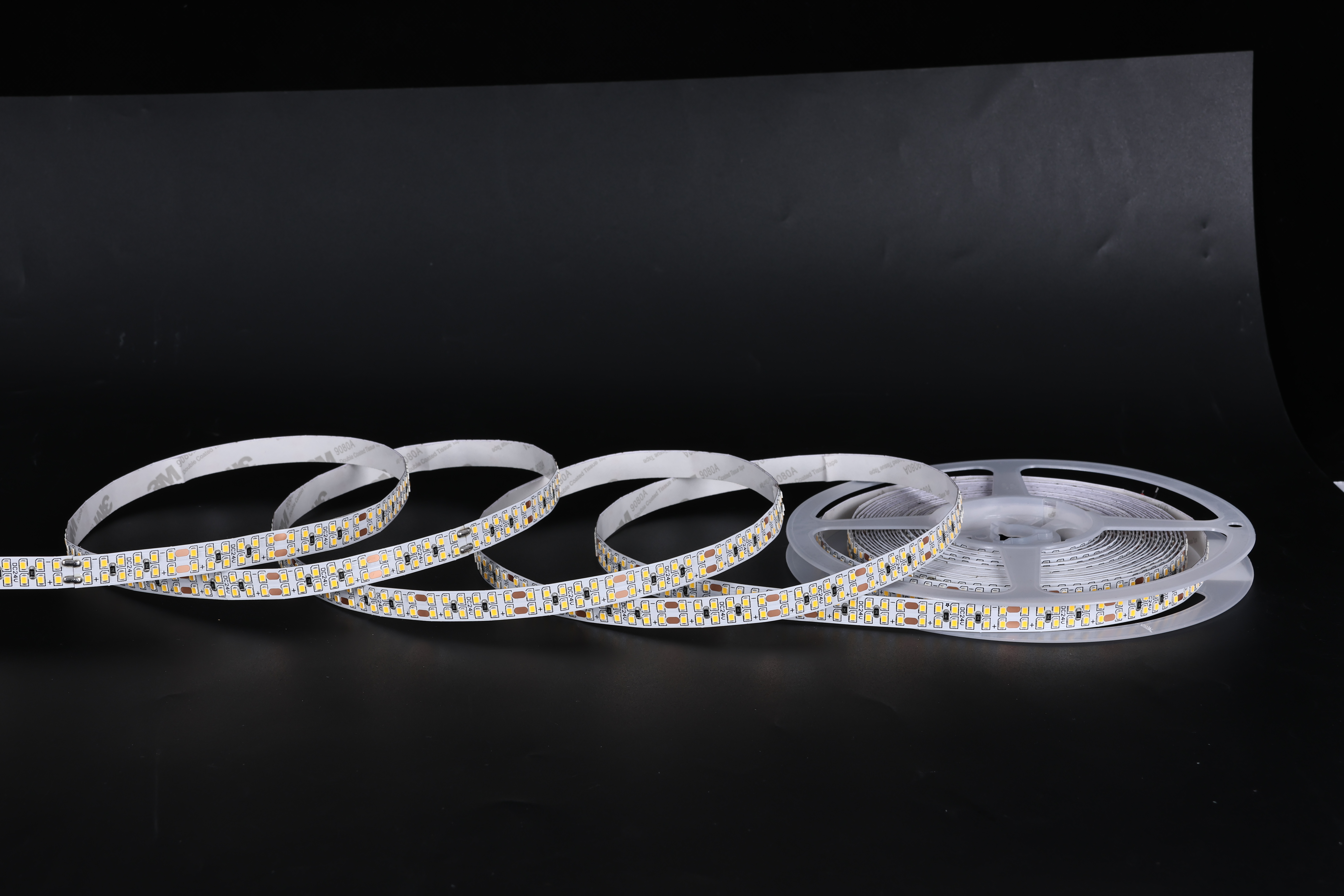
architectural led strip lighting
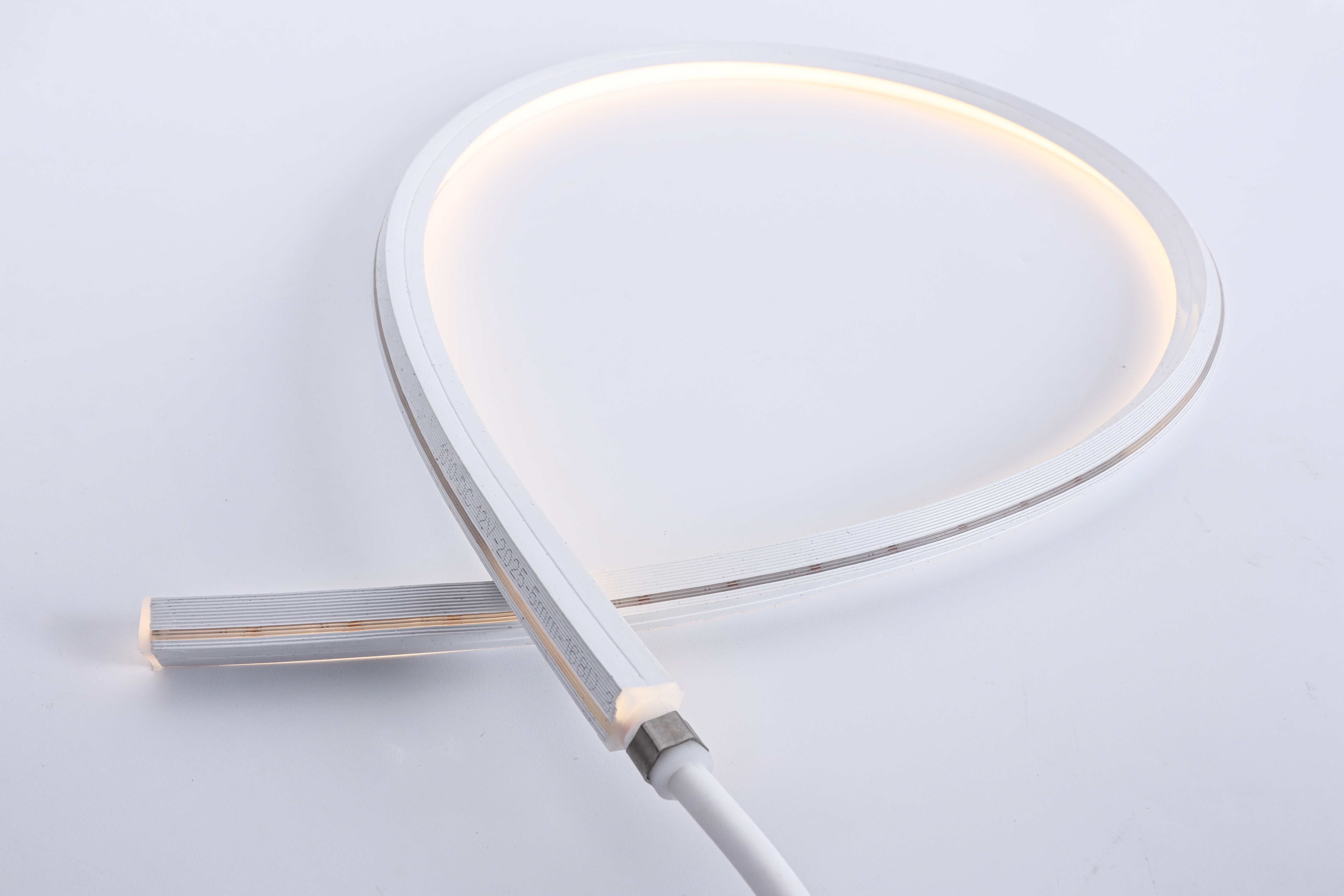
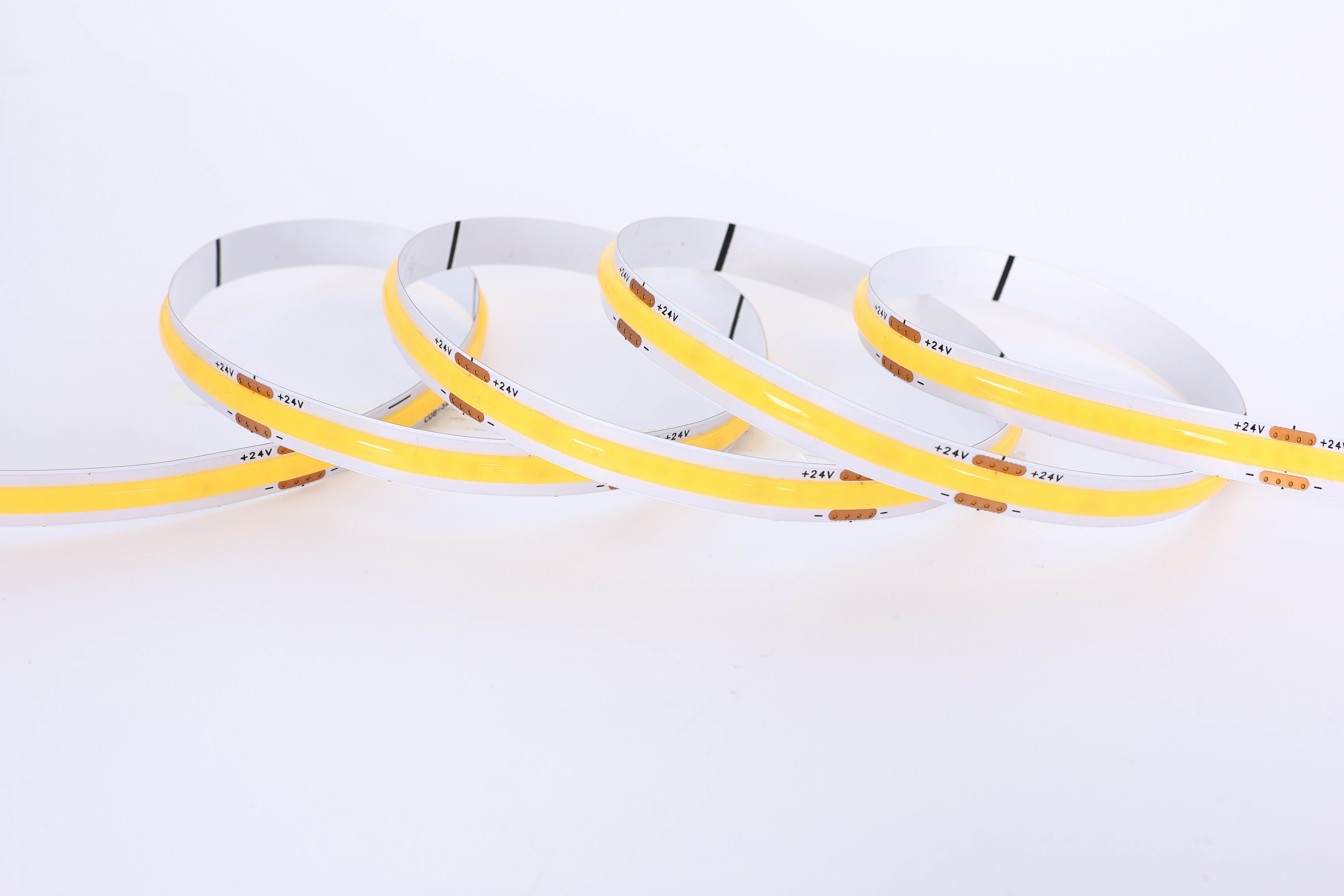
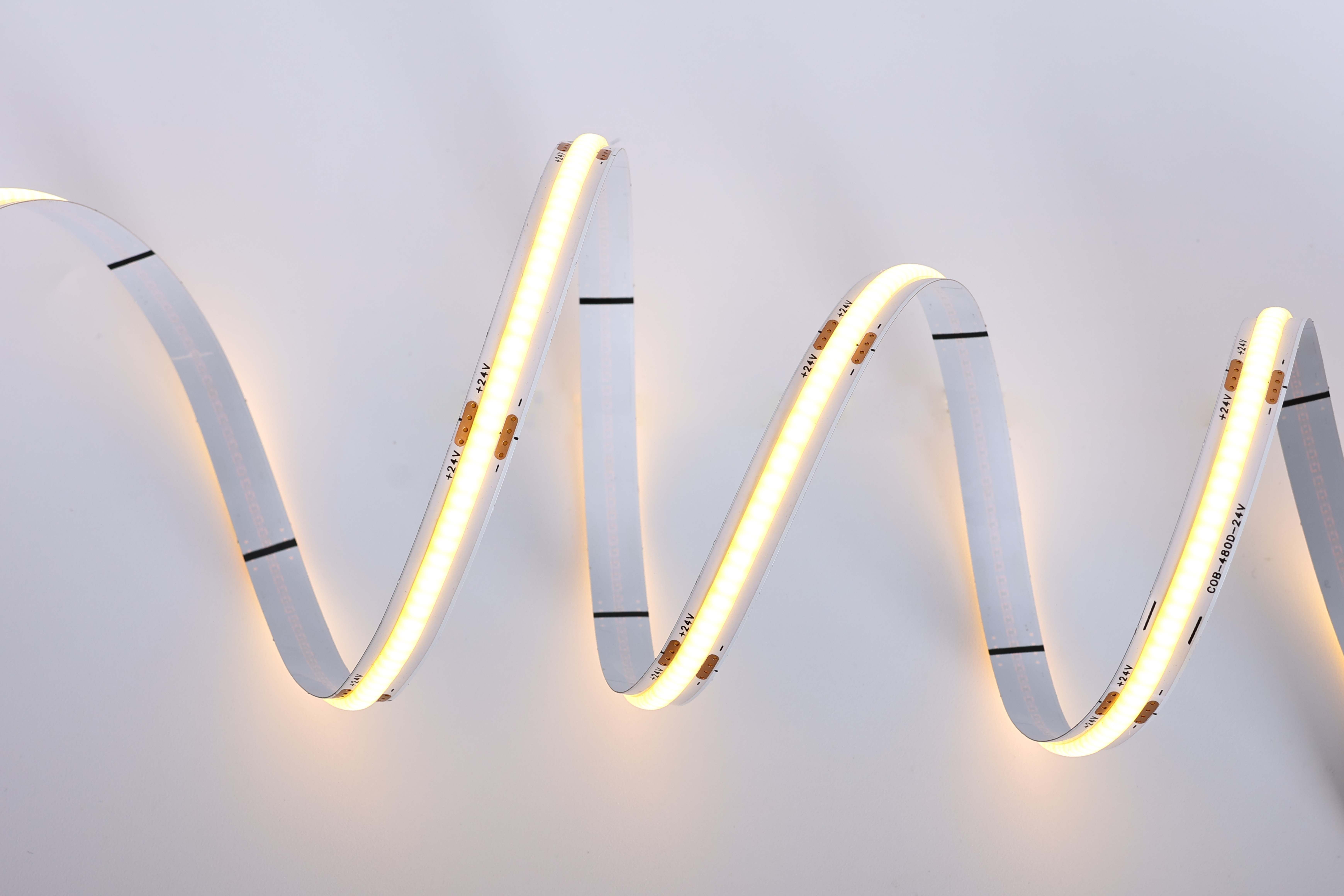
Architectural led strip lighting is a flexible lighting system designed to add clean, controlled illumination to buildings, interiors, and outdoor structures. It combines small light emitting diodes on a narrow circuit board with an adhesive or mounting profile, allowing installers to create continuous lines of light. Unlike standard decorative tape, architectural led strip lighting supports planned visual design, task lighting, wayfinding, feature emphasis, and general ambient illumination. Designers can place architectural led strip lighting in ceilings, coves, walls, stairs, shelving, joinery, facades, and handrails. The system can deliver a soft glow or stronger direct output, depending on the LED density, lens, and power rating. Architectural led strip lighting commonly comes in warm white, neutral white, cool white, tunable white, and color changing versions. Dimming and scene control help users adjust brightness for comfort, presentation, or energy management. Many products connect with wall controls, sensors, building management systems, or smart lighting platforms. Architectural led strip lighting may also include aluminum channels and diffusers that protect the strip, improve heat control, and conceal visible LED points. Indoor models suit offices, hotels, restaurants, homes, retail stores, galleries, and public buildings. Outdoor-rated versions support signage, terraces, canopies, landscape features, and exterior details when properly sealed and installed. Architectural led strip lighting offers a practical way to shape a space without large fixtures or disruptive construction. Selection depends on brightness, color quality, voltage, waterproof rating, cutting length, control method, and installation environment. With the correct specification, architectural led strip lighting provides consistent visual impact, simple integration, and a refined finish for both new projects and renovations.
 EN