infrared led strip
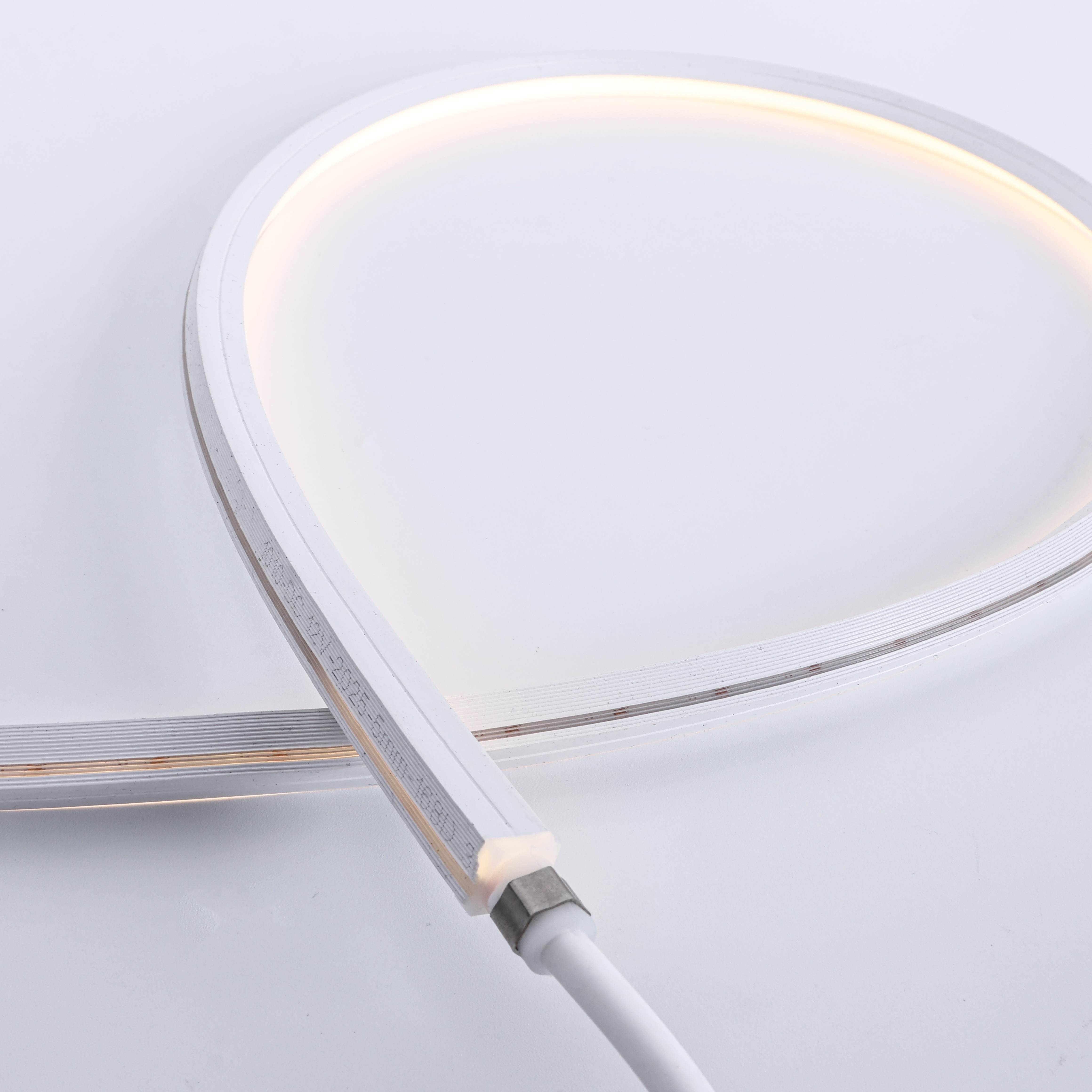
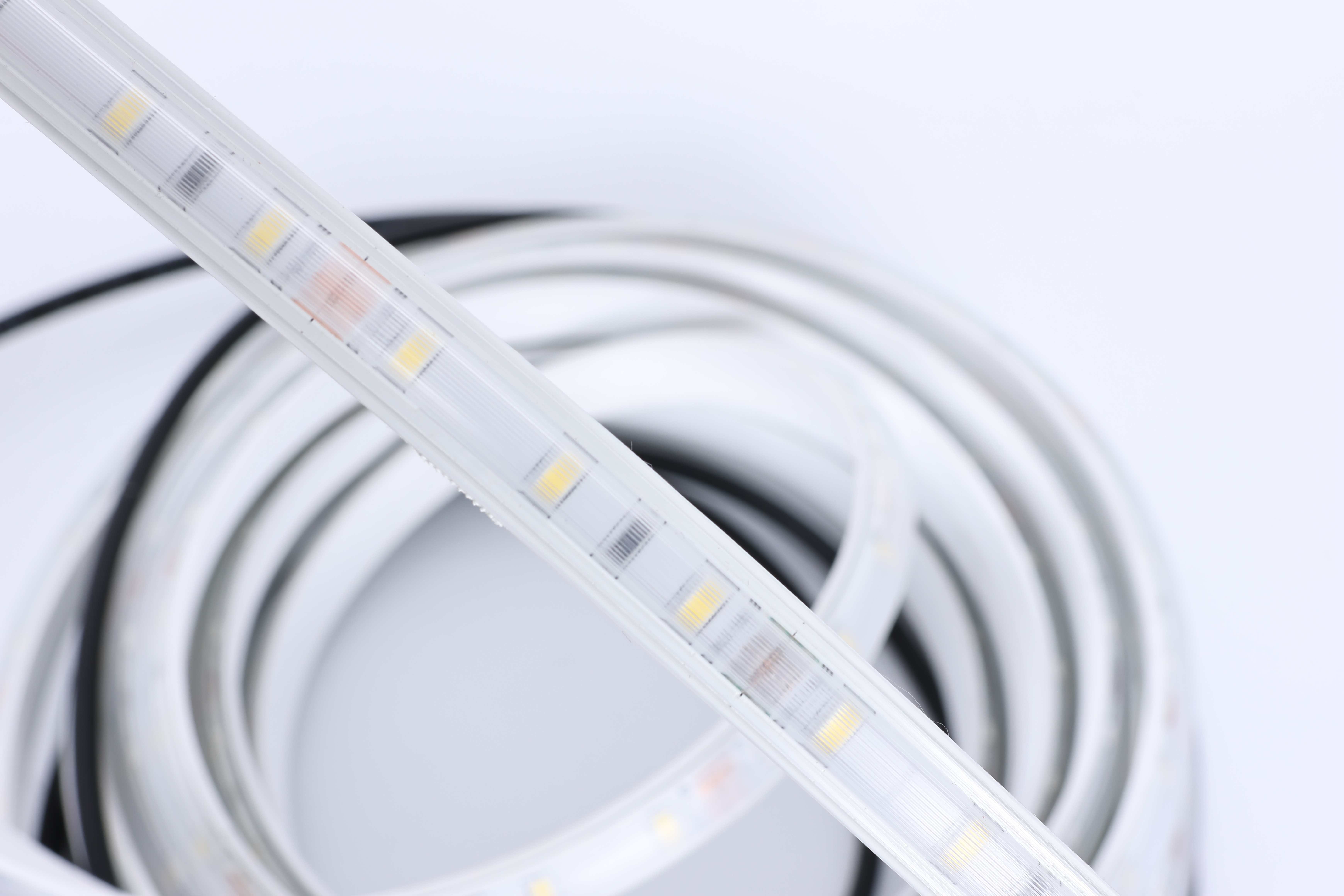
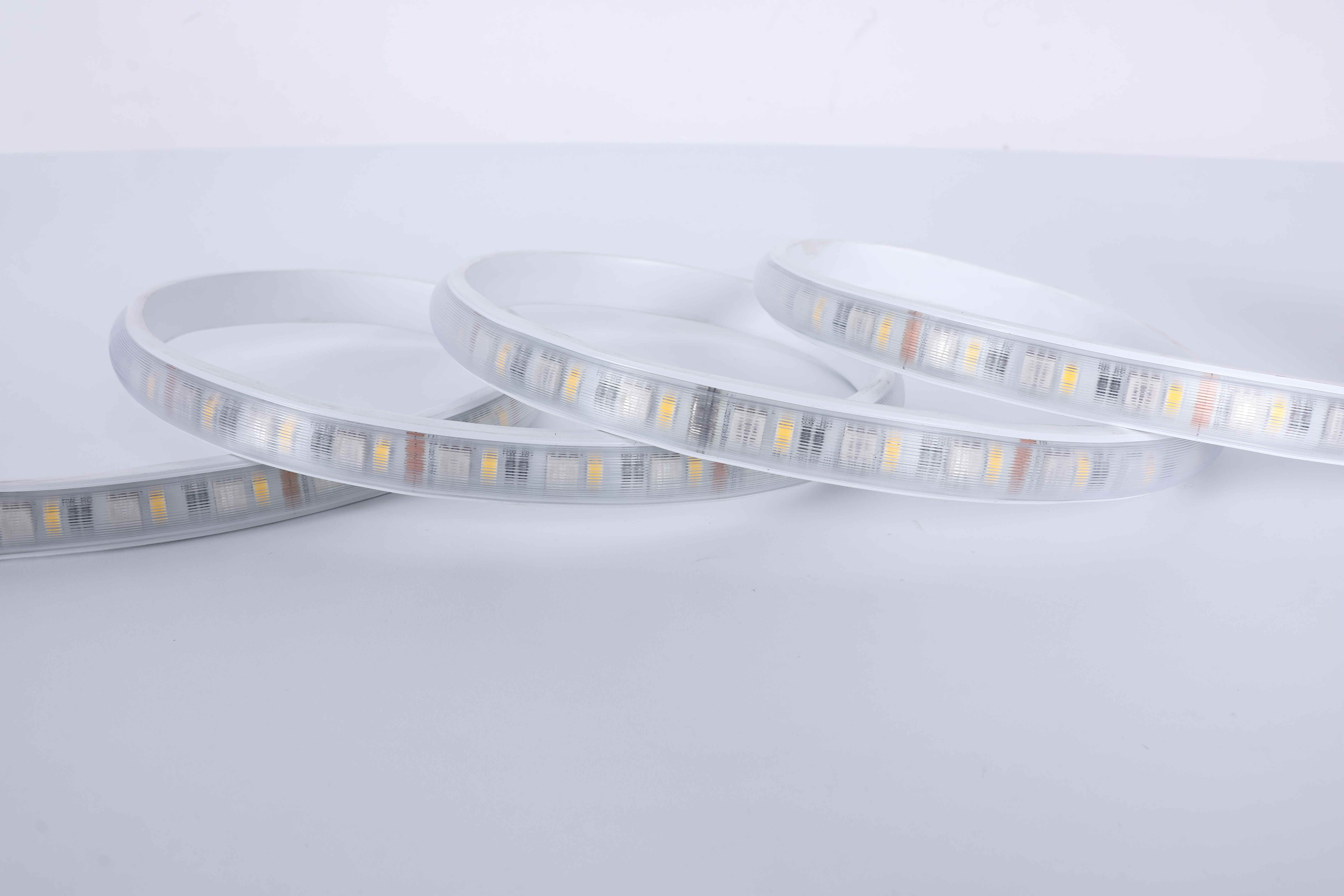
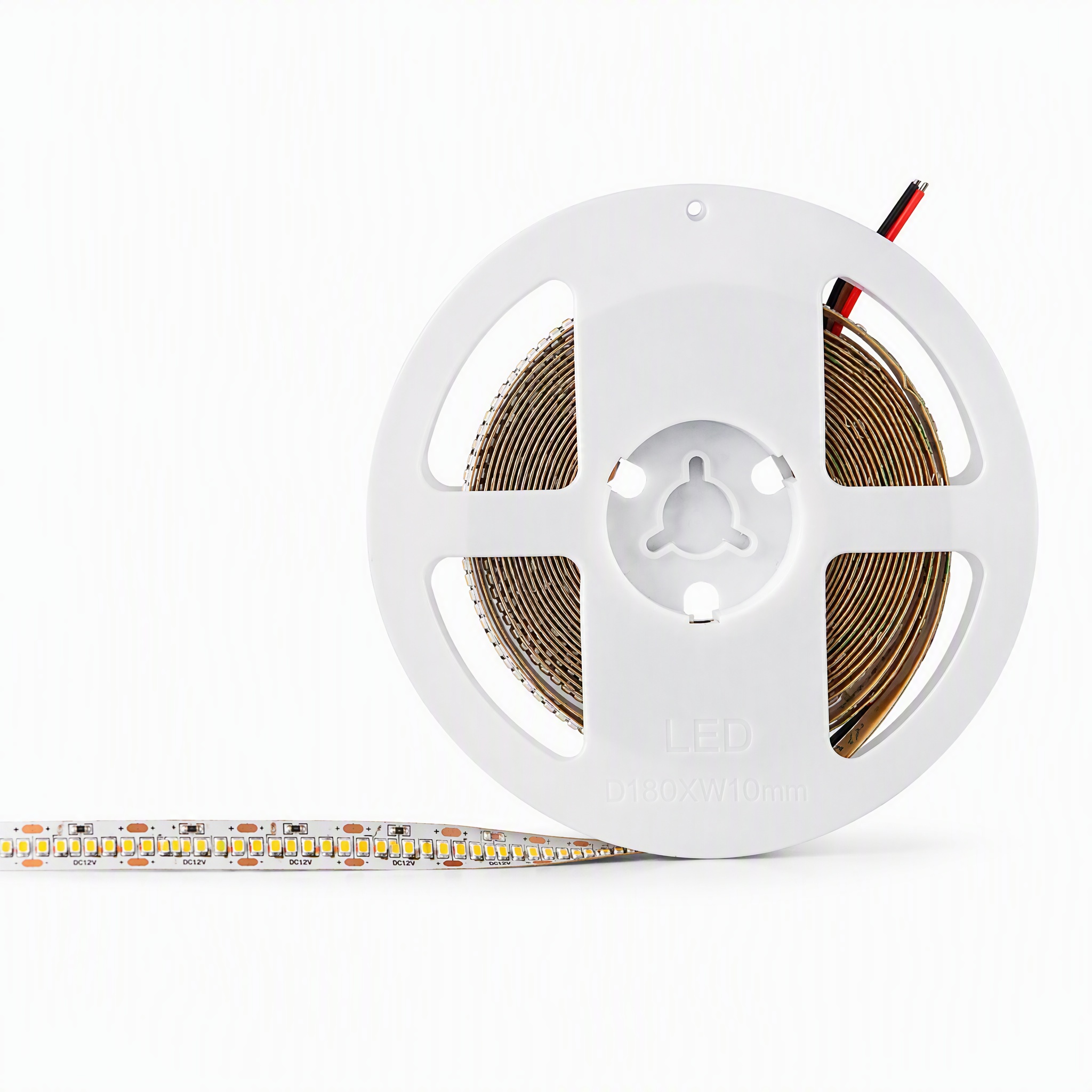
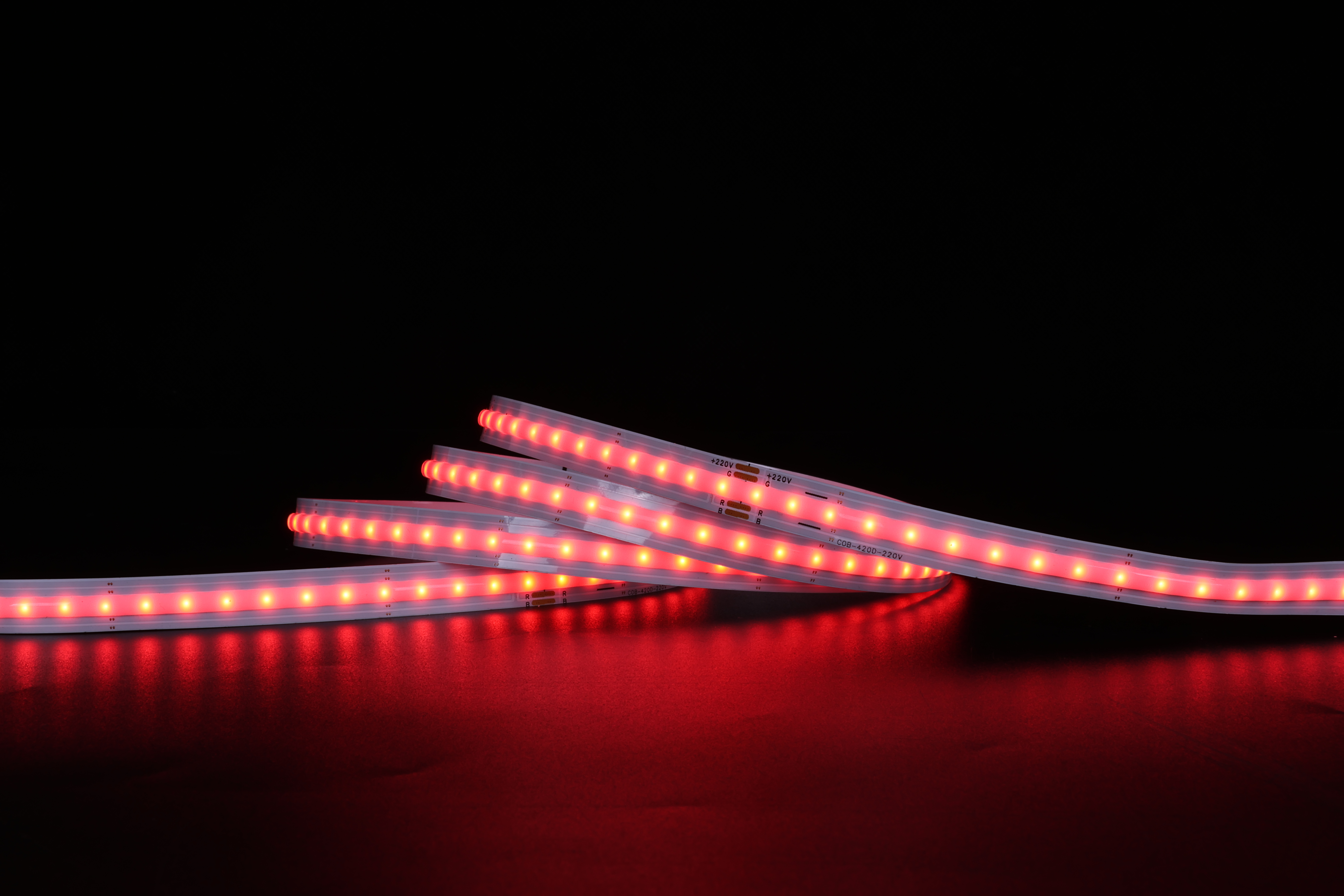
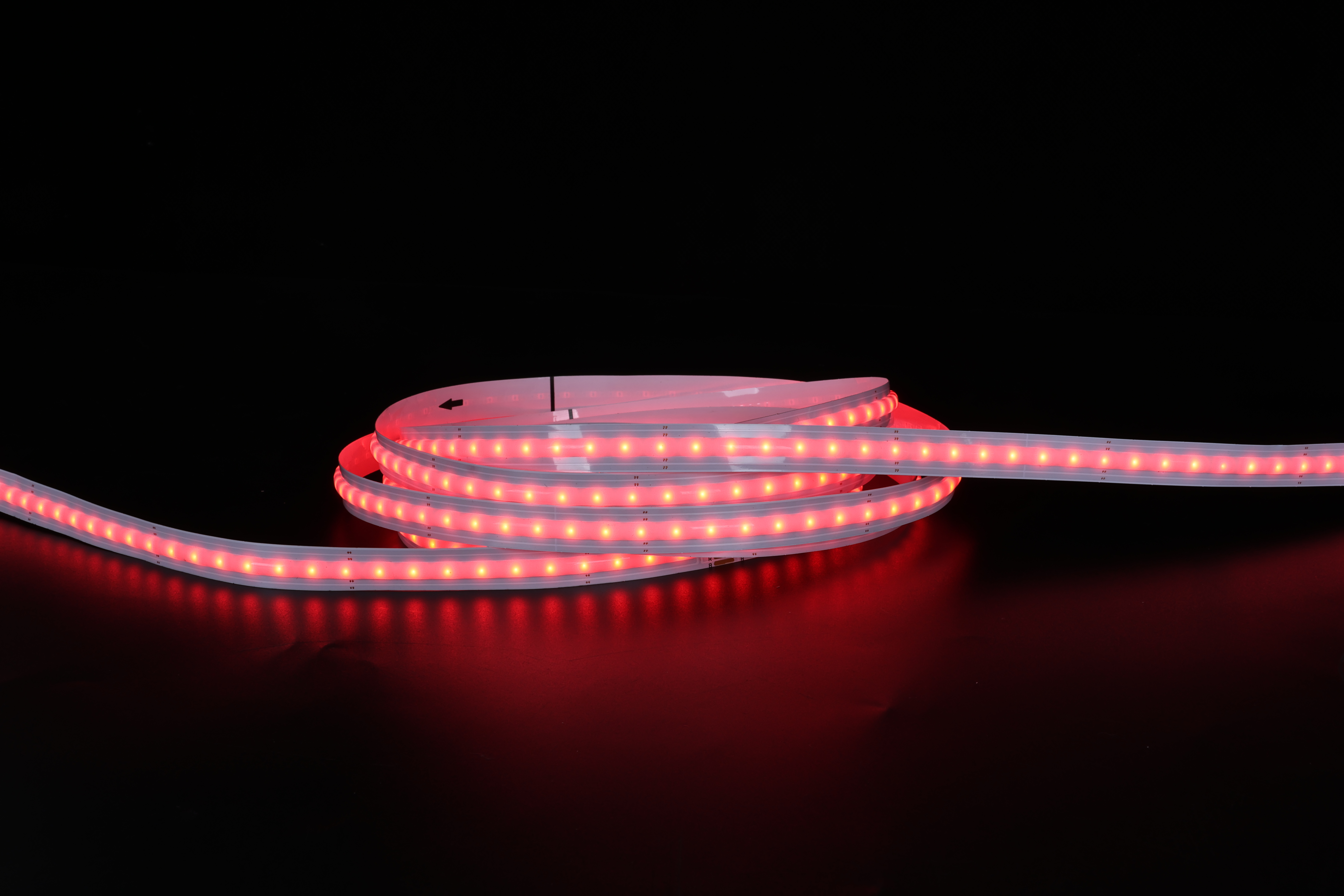
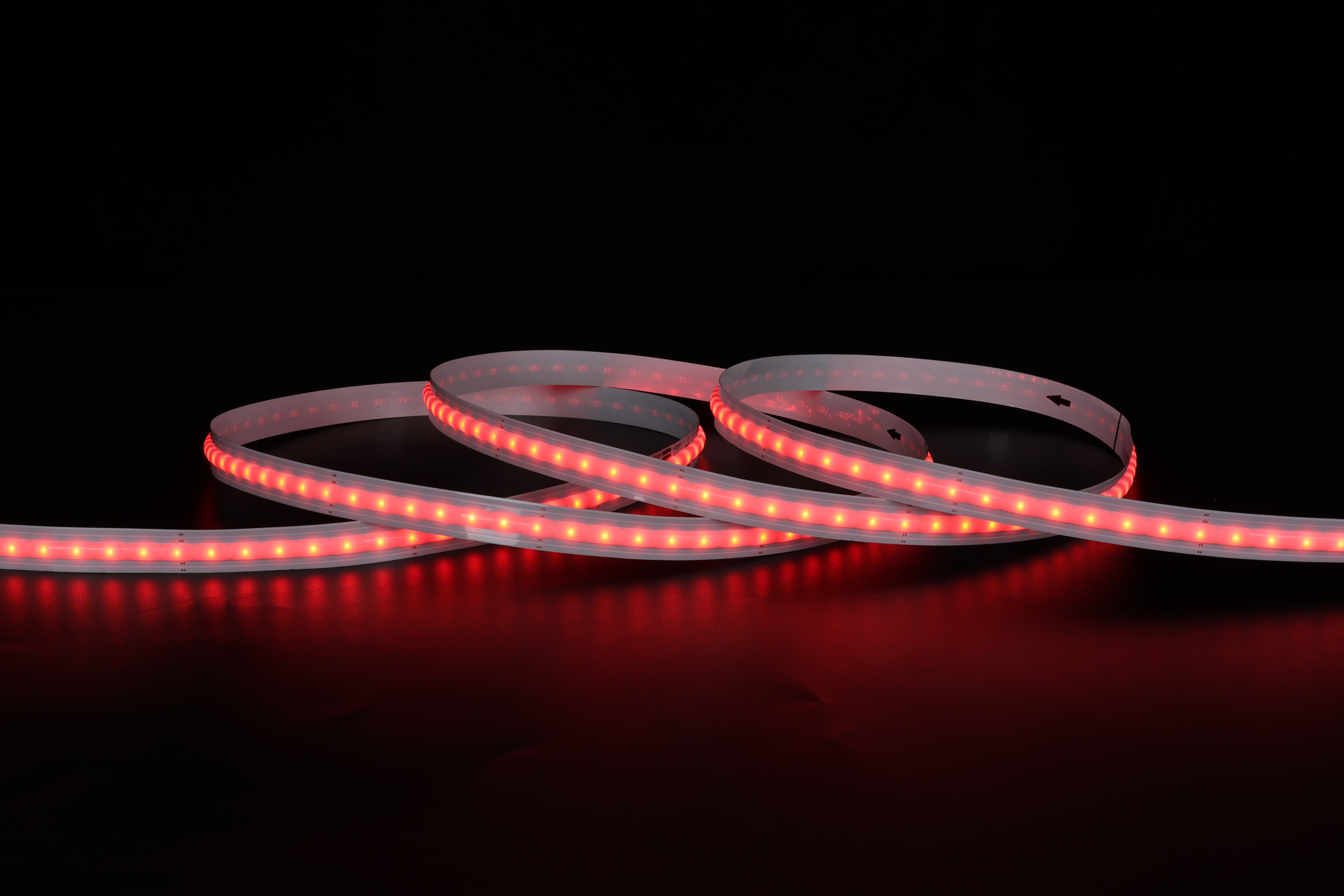
An infrared led strip is a flexible lighting and sensing product that uses infrared light rather than visible illumination. It typically combines infrared LEDs, a flexible circuit board, a protective coating, and an adhesive backing for simple installation. Depending on the model, an infrared led strip can emit near-infrared wavelengths such as 850 nm or 940 nm. These wavelengths support night vision, sensing, monitoring, heat-related wellness equipment, and automated control systems without creating bright visible light. The infrared led strip can operate continuously or in short pulses, allowing equipment designers to balance performance, power use, and service life. Some versions connect to a controller, dimmer, sensor, timer, or camera system, while others use a self-contained power and control arrangement. A typical infrared led strip can be cut at marked points and extended with compatible connectors, which helps installers fit it around cabinets, frames, devices, or curved surfaces. The infrared led strip is available in different lengths, LED densities, power ratings, and protection levels. Indoor versions suit clean, dry locations, while sealed versions handle dust, moisture, or occasional splashes. Buyers should check wavelength, voltage, current, operating temperature, bend radius, and heat management before ordering. The infrared led strip does not replace every infrared lamp or module, but its low profile and flexible form make it useful where fixed housings are difficult to install. Its main functions include invisible illumination, close-range detection support, camera assistance, controlled heating, and equipment status integration. With the right driver and mounting method, an infrared led strip delivers consistent output across practical commercial, industrial, residential, and research applications.
 EN