smd led diode
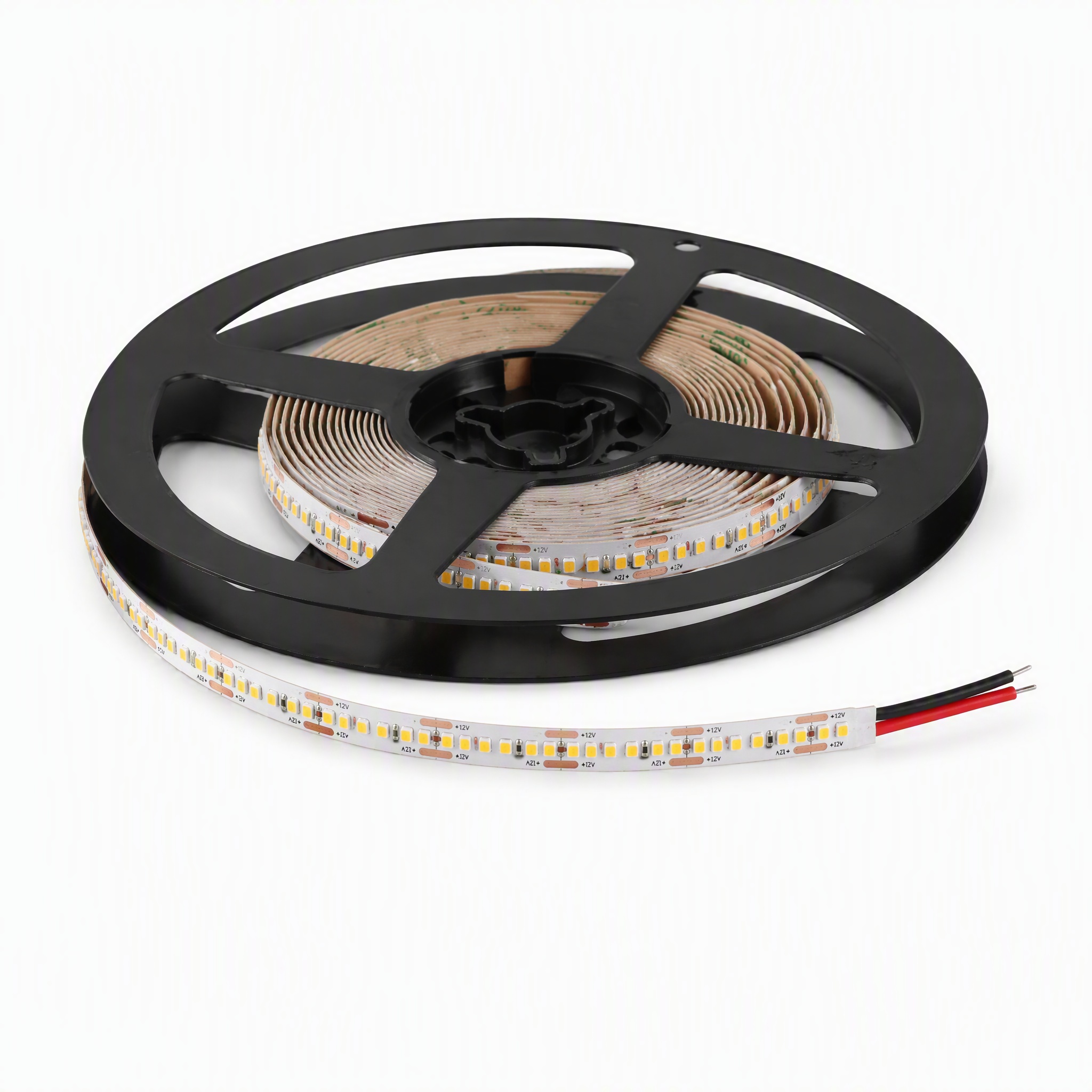
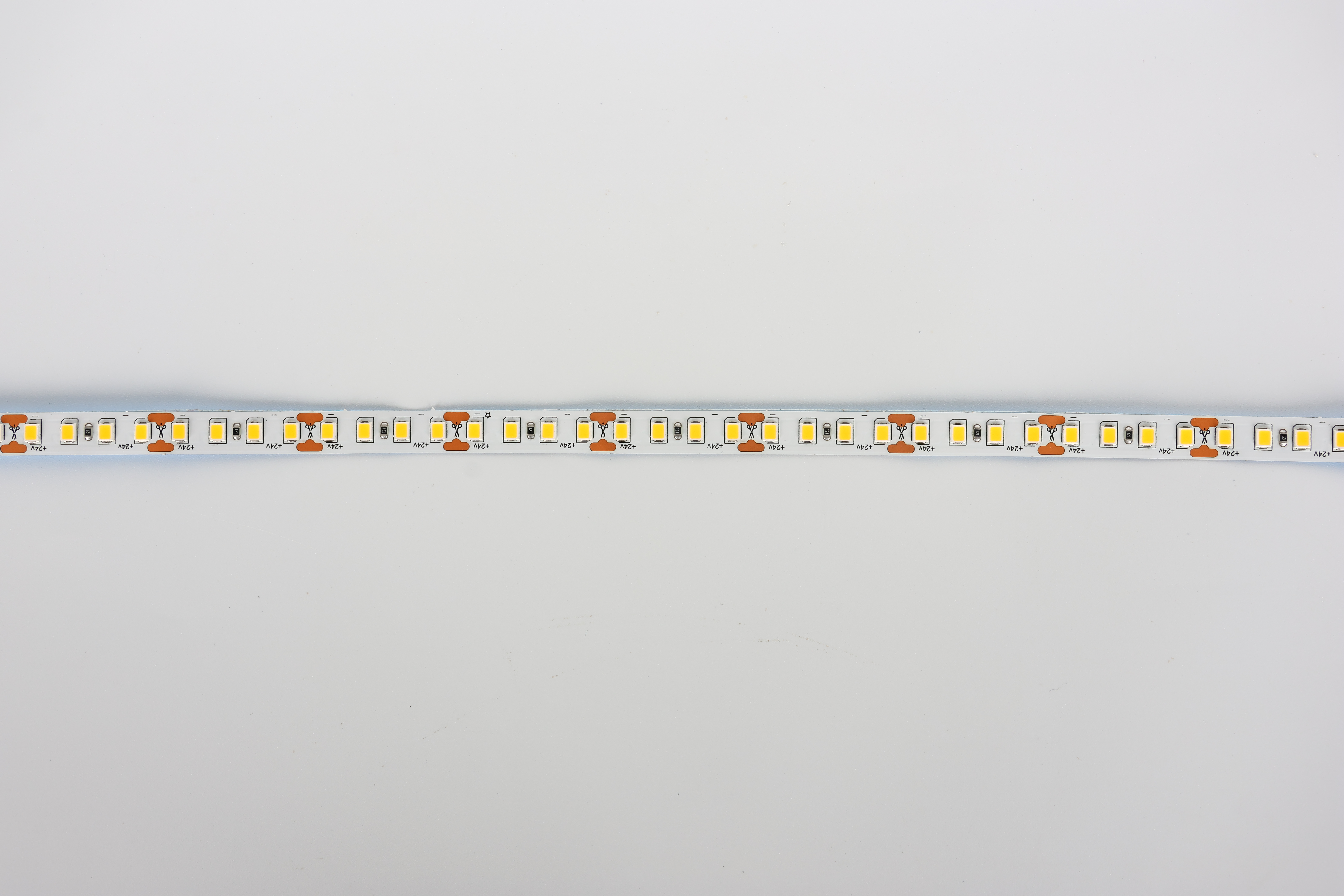
An smd led diode is a compact light-emitting component designed to produce visible or infrared light when electrical current passes through it. Unlike a traditional through-hole part, an smd led diode mounts directly onto the surface of a circuit board. This design reduces assembly space, supports automated production, and helps manufacturers create thinner electronic products. An smd led diode converts electrical energy into light with little heat and low power use, making it suitable for continuous operation. Depending on the model, an smd led diode can produce red, green, blue, white, amber, or infrared output. Engineers select an smd led diode by checking voltage, current, brightness, color temperature, viewing angle, package size, and operating temperature. Many versions include a clear lens, a diffused lens, or a built-in reflector to control the light pattern. The smd led diode also offers fast switching, so it works well for status indicators, signal lamps, display pixels, and pulse-based lighting. Its small package allows several components to fit in a limited area, while surface mounting supports reliable connections and efficient board design. An smd led diode can appear in control panels, appliances, automotive systems, medical devices, communication equipment, and portable electronics. High-quality products provide stable color, consistent brightness, and long service life when used within their specified limits. For buyers, the right smd led diode combines electrical compatibility, optical performance, mechanical fit, and dependable quality in one practical component.
 EN