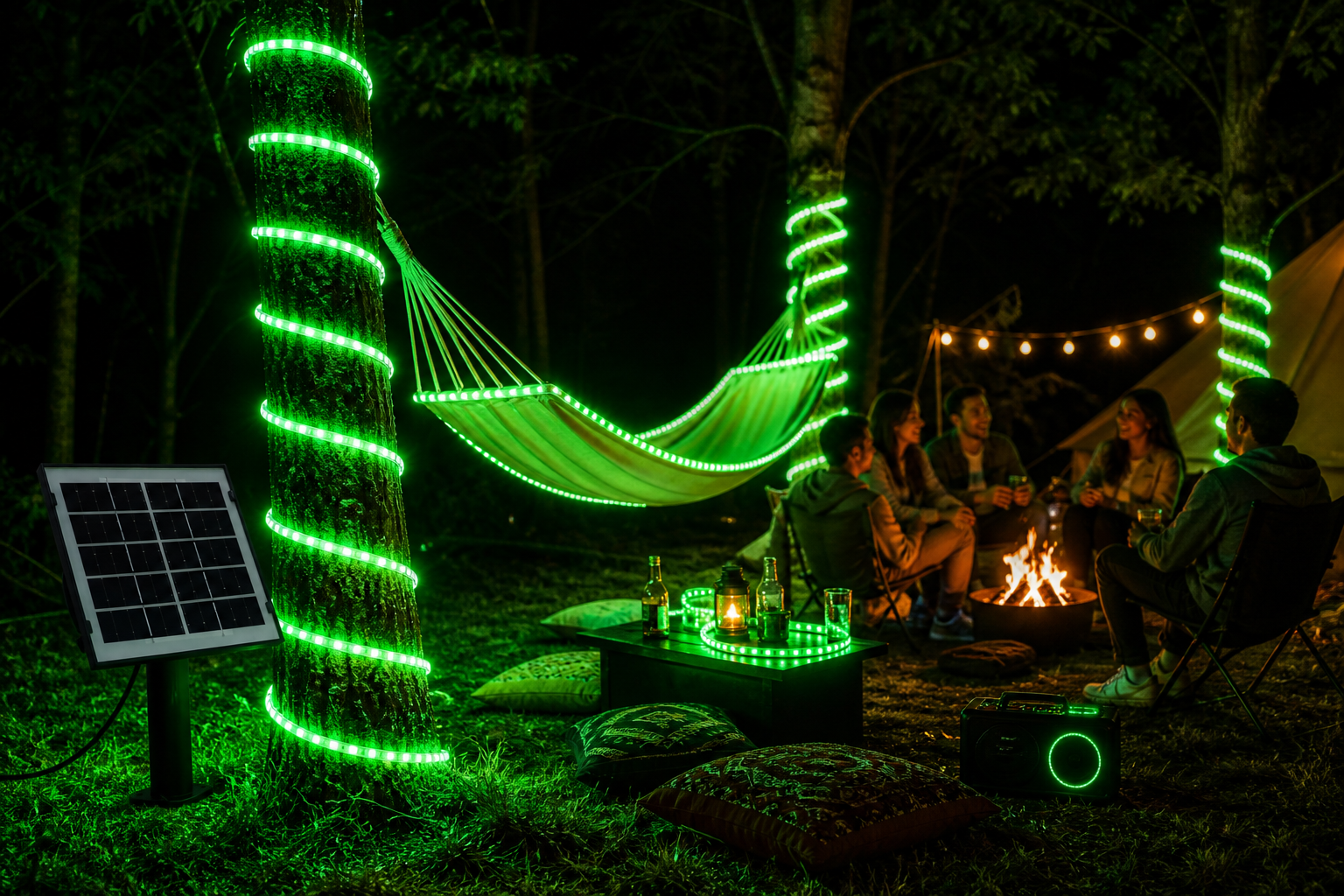
The short answer is yes—solar powered LED lights can work at night, but their nighttime performance depends entirely on how much solar energy they captured during the day. When sunlight hits the photovoltaic cells integrated into a solar powered LED system, it charges an internal rechargeable battery. Once darkness falls, that stored battery energy powers the LED lights, allowing them to illuminate outdoor spaces without drawing electricity from the grid. Understanding this cycle is essential for anyone considering solar LED lights for gardens, pathways, patios, or other outdoor applications.
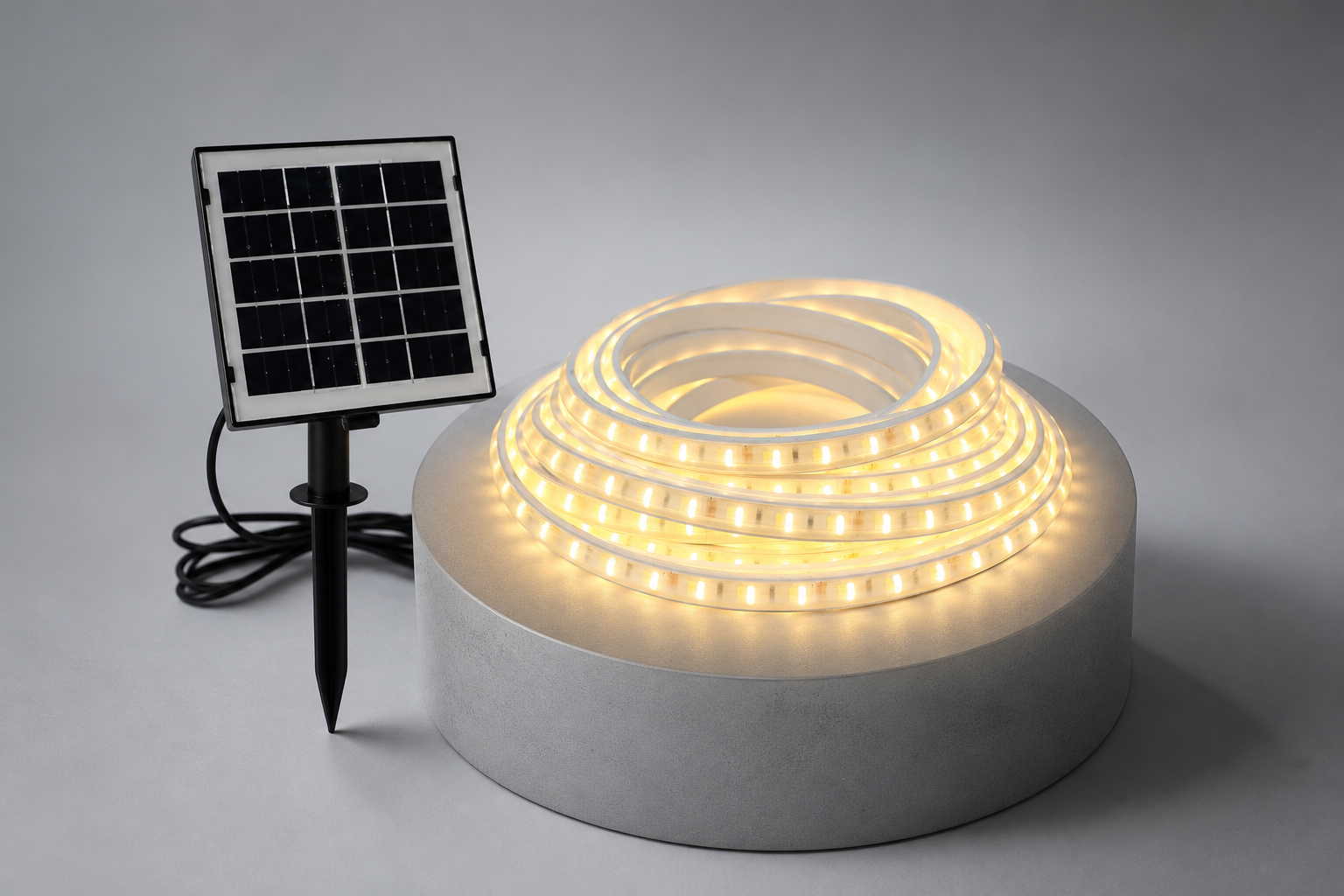
The mechanics of nighttime operation reveal why proper daytime charging is critical. Solar LED lights contain three main components: a solar panel, a rechargeable battery (usually lithium or nickel-metal hydride), and the LED fixture itself. During daylight hours, the solar panel absorbs photons and converts them into electrical current, charging the battery. When the sun sets and ambient light drops below a certain threshold, a light sensor triggers the LED to activate, drawing power from the stored battery. The duration and brightness of nighttime illumination depend on battery capacity, charging efficiency, weather conditions, and the LED's power consumption.
How Battery Capacity Determines Nighttime Duration
Storage Capacity and Runtime
Battery capacity directly controls how long your outdoor solar lighting will function after sunset. A typical portable solar lamp or solar LED light system stores between 1200 and 3000 mAh of energy, allowing 6 to 12 hours of continuous operation depending on brightness settings and battery health. Premium solar powered LED systems may offer larger batteries and multiple brightness modes, extending nighttime performance. If you need consistent illumination throughout the entire night, choosing a solar powered LED product with a higher mAh rating ensures reliable performance even on days with limited sunlight.
Charging Efficiency and Weather Impact
The battery can only store the energy that the solar panel successfully captures. On cloudy days, solar LED lights receive diminished charge, resulting in shorter nighttime runtime. Seasonal variations also affect charging—summer days provide more solar radiation than winter days, creating seasonal differences in battery charge levels. If you live in a region with frequent overcast conditions, consider solar LED lights with larger battery capacity or positioning them in areas receiving maximum direct sunlight. Regular maintenance, such as cleaning the solar panel surface, ensures optimal energy conversion and reliable outdoor solar lighting performance throughout the year.
Nighttime Performance and Practical Considerations
Brightness Levels and LED Efficiency
Modern solar LED lights employ high-efficiency LEDs that produce substantial brightness while consuming minimal power, extending nighttime operation. A portable solar lamp typically delivers 50 to 200 lumens of light output, adequate for pathway lighting, accent illumination, or ambient outdoor purposes. Some advanced solar powered LED systems feature adjustable brightness settings or motion-sensor modes that activate full brightness only when detecting movement, conserving battery energy for longer nighttime coverage. This intelligent operation is particularly valuable for outdoor solar lighting applications where consistent full-brightness illumination throughout the night may be unnecessary.
Real-World Nighttime Usage Patterns
In practical scenarios, most homeowners find that properly charged solar LED lights provide 8 to 12 hours of useful nighttime illumination, assuming the battery received full daylight charge. For decorative garden lighting, accent pathways, or ambient outdoor solar lighting effects, this duration satisfies typical residential needs. However, applications requiring 24-hour continuous illumination or extremely bright output demand either larger battery capacity, multiple solar powered LED units, or supplementary grid-powered lighting. Understanding your specific illumination needs and local daylight hours helps determine whether standard solar powered LED solutions meet your requirements or whether you need specialized high-capacity systems.
Maximizing Solar Powered LED Performance at Night
Positioning and Installation Strategy
Optimal placement of your solar LED lights significantly impacts nighttime performance. Install solar powered LED fixtures in locations receiving at least 4 to 6 hours of direct, unobstructed sunlight daily for reliable battery charging. Avoid shadowing from trees, buildings, or other structures during peak solar hours, typically between 10 AM and 4 PM. For portable solar lamps used seasonally or for specific events, you can move them to sunny locations during the day to maximize charging before evening illumination. Proper orientation and installation directly influence how effectively your outdoor solar lighting system performs when darkness arrives.
Maintenance and Battery Longevity
Regular maintenance extends the operational lifespan and nighttime reliability of solar LED lights. Clean the solar panel surface monthly to remove dust, pollen, or debris that reduces light absorption and charging efficiency. During winter or extended cloudy periods, store solar powered LED units indoors and recharge them periodically using direct sunlight or supplementary charging methods to prevent battery degradation. Replace batteries when runtime noticeably decreases, typically after 2 to 3 years of regular use. Proper care ensures your solar LED lights and portable solar lamps consistently deliver reliable nighttime illumination season after season, protecting your investment and maintaining outdoor solar lighting effectiveness.
FAQ
Do solar powered LED lights need batteries to work at night?
Yes, solar powered LED lights require internal rechargeable batteries to operate after sunset. The battery stores electrical energy converted from sunlight during daylight hours. When darkness falls, the stored battery energy powers the LED fixture. Without a functional battery, solar LED lights cannot provide nighttime illumination regardless of daytime charging quality.
How many hours will solar LED lights run at night?
Most solar LED lights and portable solar lamps run 6 to 12 hours at night, depending on battery capacity, charging conditions, and brightness settings. Premium outdoor solar lighting systems with larger batteries may extend this duration. Factors like cloud cover, season, brightness mode, and panel cleanliness influence actual nighttime runtime. For consistent 12-hour nighttime coverage, ensure your solar LED lights receive full daytime sun exposure and assess battery mAh ratings before purchase.
Can solar powered LED lights work on cloudy days?
Solar powered LED lights can still charge on cloudy days because solar panels capture indirect sunlight, though charging efficiency decreases significantly. Heavily overcast conditions reduce energy collection by 50 to 80 percent compared to clear sunny days. In such regions, solar LED lights may provide only 3 to 6 hours of nighttime illumination instead of the typical 8 to 12 hours. Consider systems with larger battery capacity or supplementary charging options if you live in persistently cloudy climates.
 EN