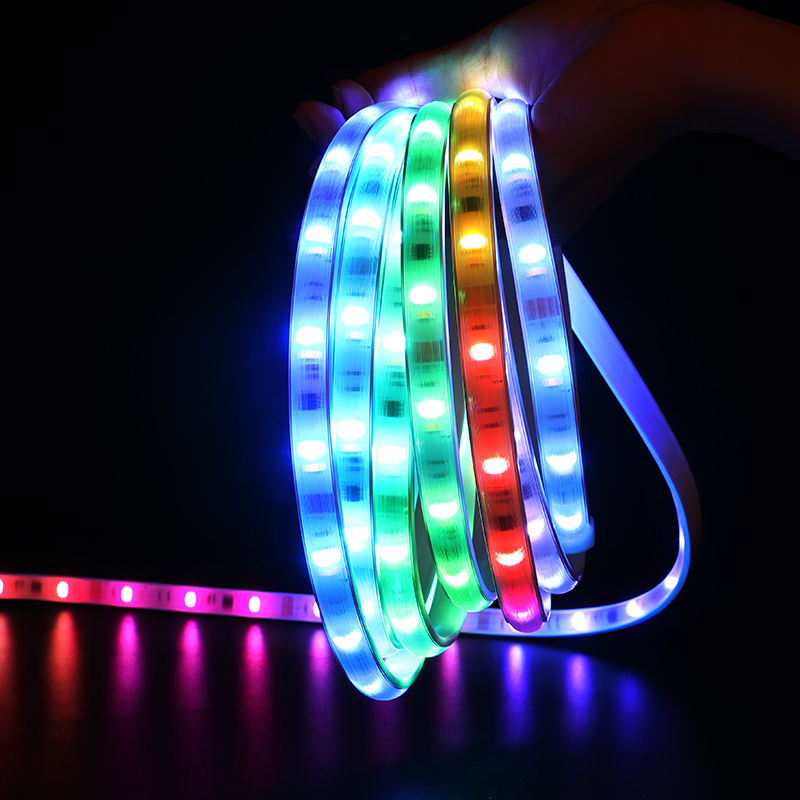
Solar powered LED technology has revolutionized outdoor lighting, offering homeowners and businesses an energy-efficient, maintenance-free solution. However, a common concern persists: does solar powered led function effectively in cold weather? The short answer is yes, but with important nuances that affect performance. Understanding how temperature impacts solar panels, battery chemistry, and LED efficiency is essential for anyone considering outdoor solar lighting installations in regions with winter conditions.
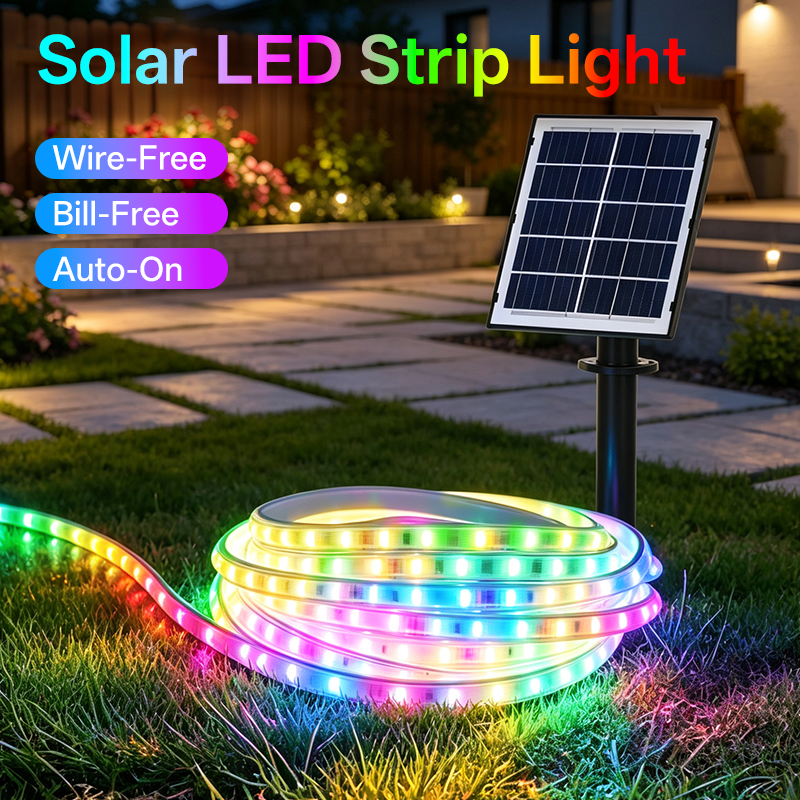
The relationship between temperature and solar LED lights is more complex than many realize. While extreme cold does present challenges, modern solar LED lights are engineered to operate across a broader temperature range than consumers often assume. Portable solar lamps and fixed outdoor solar lighting systems can deliver reliable performance throughout winter months when properly selected and installed. This guide explores the technical realities, practical considerations, and optimization strategies for maintaining consistent illumination when temperatures drop.
How Temperature Affects Solar Panel Efficiency
Solar Cell Performance in Cold Conditions
Photovoltaic cells actually exhibit a counterintuitive characteristic: they generate electricity more efficiently at lower temperatures. Solar LED lights benefit from this phenomenon because cold air allows silicon cells to operate at their peak efficiency. However, this advantage is offset by reduced daylight hours during winter months and potential snow or frost accumulation on panels. The cold weather does not inherently damage solar panels; instead, the seasonal reduction in solar radiation becomes the limiting factor for outdoor solar lighting systems.
Voltage Output and System Regulation
Cold temperatures increase electrical resistance in solar powered led circuits, which can slightly reduce voltage output. When a solar LED lights system experiences temperature drops below freezing, the internal wiring and connectors face greater resistance. Premium portable solar lamps include voltage regulators that compensate for these fluctuations, maintaining stable power delivery to the LEDs. This regulation ensures consistent brightness regardless of whether your solar powered led installation operates at minus ten degrees or fifty degrees Fahrenheit.
Battery Storage and Cold Weather Performance
Lithium Battery Behavior in Freezing Temperatures
The primary challenge for solar LED lights in cold weather stems from battery performance rather than solar panel function. Lithium-ion batteries, commonly used in modern outdoor solar lighting, experience reduced capacity when temperatures drop. At freezing temperatures, a battery rated for twelve hours of operation might deliver only six to eight hours of usable power. This temporary capacity loss reverses when the battery warms, causing no permanent damage. High-quality solar powered led systems use advanced battery management circuits to protect cells during extreme cold exposure.
NiMH Alternative and Lower Temperature Performance
Nickel-metal hydride batteries, used in some portable solar lamps, tolerate cold better than lithium options at the cost of lower overall energy density. However, most contemporary solar powered led products employ lithium chemistry because of superior performance benefits. Winter users should store outdoor solar lighting systems indoors during extreme cold snaps lasting multiple days, then deploy them during daytime hours to recharge fully. This practice maintains battery longevity while ensuring reliable illumination when temperatures stabilize.
Optimizing Solar LED Lights for Winter Months
Installation Positioning and Seasonal Adjustment
Proper positioning becomes even more critical when operating solar LED lights during winter. The sun traces a lower arc across the sky during cold months, requiring different panel angles for optimal energy capture. Portable solar lamps offer flexibility for seasonal repositioning, allowing users to track the sun's lower winter trajectory. Ensure panels receive direct sunlight for at least four to six hours daily during winter; snow and frost must be wiped clean to maintain efficient solar collection. This seasonal maintenance directly supports consistent performance from your outdoor solar lighting system.
Protective Measures and System Maintenance
Cold weather durability depends on protective design features built into solar LED lights. Quality units feature sealed connectors, reinforced cable jackets rated for freezing conditions, and housing materials that remain flexible rather than brittle in low temperatures. When temperatures drop significantly, bring portable solar lamps indoors overnight to allow batteries to warm naturally. This simple practice preserves battery chemistry and ensures maximum capacity during the next charge cycle. Regular inspection for ice accumulation on solar panels and housing prevents mechanical stress and maintains electrical connectivity for your outdoor solar lighting investment.
FAQ
At what temperature does solar powered LED stop working?
Solar powered LED lights do not simply stop functioning at a specific temperature threshold. Most commercial units operate down to minus twenty degrees Fahrenheit, though battery capacity diminishes progressively as temperature drops. Modern portable solar lamps and outdoor solar lighting systems include temperature-protection circuits that prevent component damage even in extreme conditions. Performance degradation becomes noticeable around freezing, but complete failure typically requires temperatures below minus thirty degrees Fahrenheit, which exceeds most residential winter conditions.
Do solar LED lights work in snow-covered regions?
Yes, solar LED lights work effectively in snow-covered regions when panels remain clear of accumulation. Snow reduces available solar radiation, but regular cleaning ensures continued charging capability. Portable solar lamps designed for alpine or polar conditions include features like tilt-back panel designs that naturally shed snow. Cold-climate outdoor solar lighting requires more frequent maintenance and benefits from installation locations with southern exposure or afternoon sun access. Strategic placement combined with weekly snow removal maintains reliable illumination throughout winter months.
Can freezing damage solar LED lights permanently?
Freezing temperatures alone do not permanently damage quality solar powered LED systems designed for outdoor use. Battery capacity loss during cold exposure reverses completely once temperatures rise. However, rapid temperature cycling, ice expansion in unsealed components, and moisture ingress accelerate degradation. Premium outdoor solar lighting products feature sealed housing, reinforced construction, and cold-temperature-rated materials that withstand repeated freeze-thaw cycles. Proper winterization, including protective storage during extreme conditions and regular maintenance, prevents cold-related damage and extends system lifespan indefinitely.
 EN