 EN

can-waterproof-led-strip-lights-work-in-bathrooms, can-waterproof-led-strip-lights-work-in-bathrooms, /technical-insights
EN
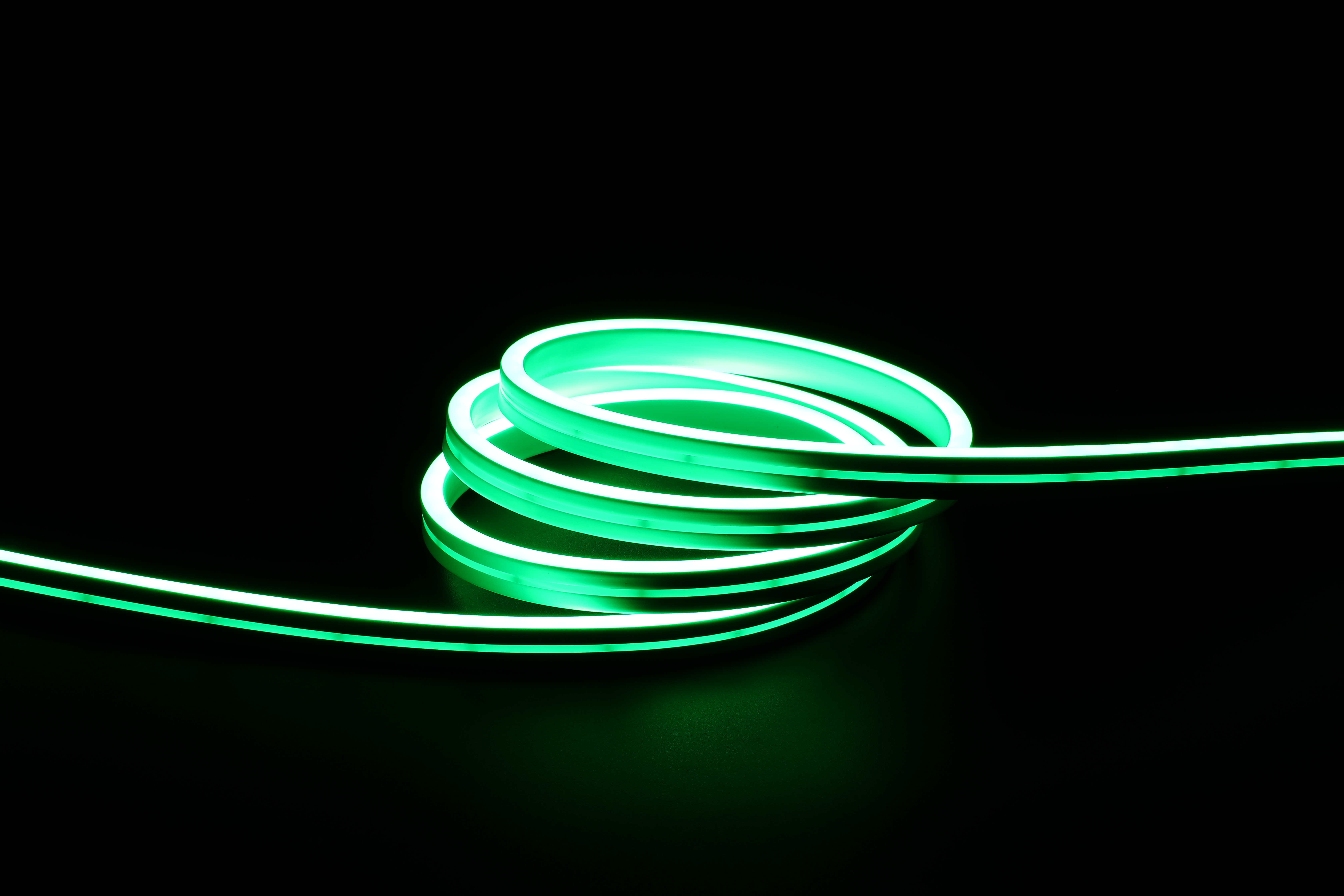
Yes, waterproof LED strip lights can absolutely work in bathrooms, and they have become one of the most practical solutions for modern bathroom design. The key to their success lies in understanding proper installation, moisture tolerance ratings, and selecting the right specifications for your space. Bathrooms present unique challenges due to humidity, temperature fluctuations, and direct water exposure in certain zones, which is why choosing quality waterproof LED strip lights is essential.
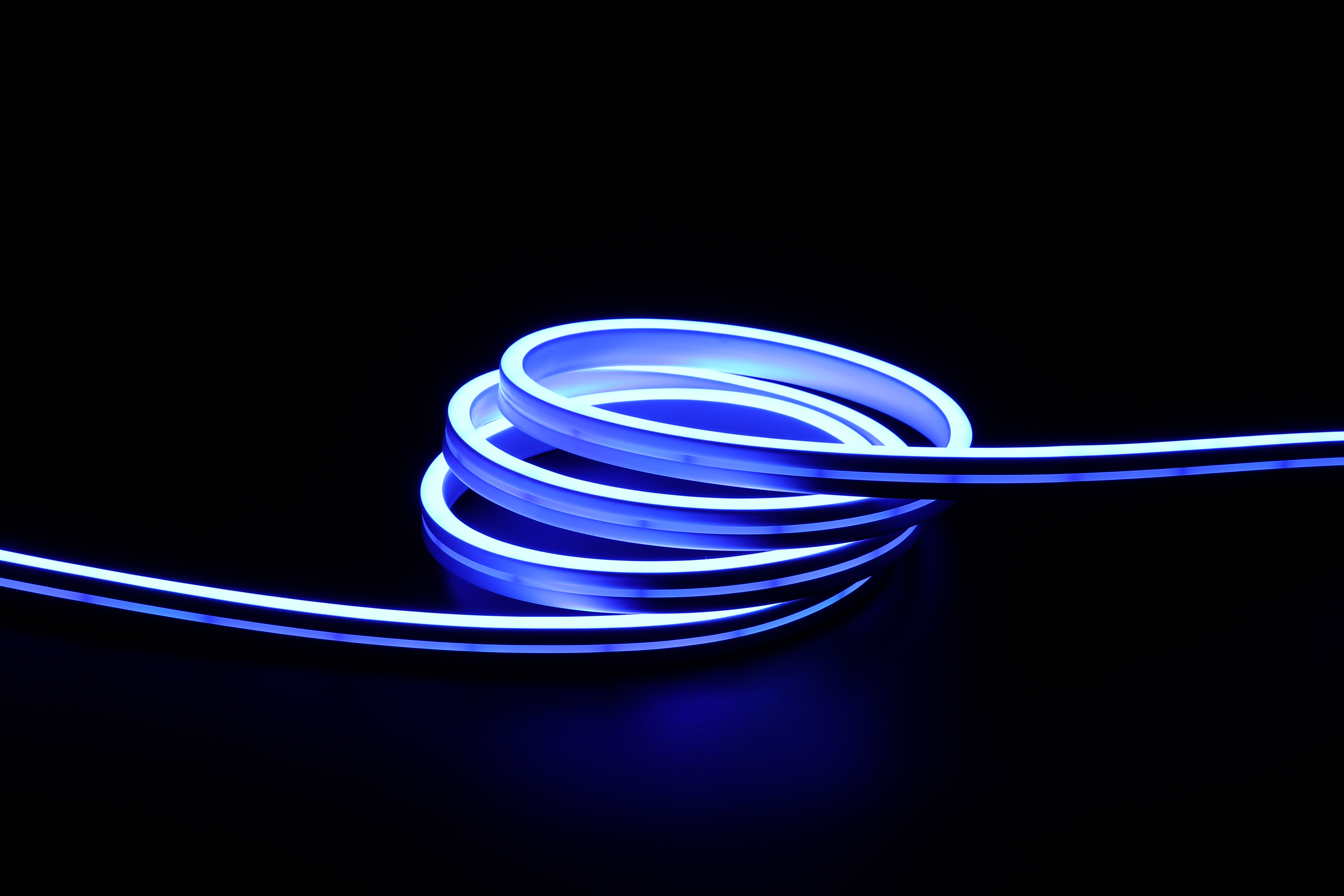
The bathroom environment demands lighting solutions that withstand moisture and humidity without compromising performance or safety. Water resistant led lighting has revolutionized how designers and homeowners approach bathroom illumination, offering flexibility, energy efficiency, and aesthetic appeal. Understanding the relationship between IP ratings, installation location, and long-term durability helps ensure your bathroom lighting investment performs reliably for years to come.
IP ratings, or Ingress Protection ratings, are standardized classifications that indicate how well electrical equipment resists moisture and dust exposure. The rating system uses two digits: the first addresses solid particle protection, and the second measures liquid penetration resistance. For bathroom applications, the second digit is most critical, as it determines how effectively your water resistant led lighting handles moisture and splashing. IP rated led strips typically range from IP44 to IP68, with higher numbers indicating greater protection against water and humidity.
An IP44 rating means the light can handle splashing from any direction, making it suitable for bathroom vanities and areas away from direct shower spray. IP65 ratings provide protection against water jets from a nozzle, appropriate for areas near bathtubs or in steamy bathroom zones. IP68 ratings are fully submersible and represent the highest protection level available in commercial and residential applications. Understanding these distinctions helps you select waterproof led strip lights that match your specific bathroom layout and moisture exposure patterns.
Different bathroom zones demand different protection levels based on proximity to water sources. Ambient lighting around the bathroom perimeter typically requires IP44 or IP54 ratings, as these areas experience humidity but minimal direct water contact. Mirror accent lighting, ceiling cove lighting, and closet illumination fit safely within these parameters. Direct shower zones, steam shower enclosures, and areas immediately adjacent to water fixtures require minimum IP65 ratings, with IP68 outdoor led strip lights being ideal for maximum durability and peace of mind.
Installation location determines both safety and compliance with electrical codes. Water resistant led lighting installed in wet zones must maintain adequate clearance from water sources and be protected by ground fault circuit interrupter (GFCI) outlets. The power supply transformer, regardless of its rating, should never be placed in direct spray zones. This zoning approach allows you to maximize the visual benefits of LED illumination while respecting moisture tolerance boundaries and meeting safety standards.
Selecting appropriate IP rated led strips begins with mapping your bathroom layout and identifying moisture exposure zones. Measure the intended installation areas, note proximity to water sources, and evaluate ventilation conditions. Low-moisture bathrooms with excellent exhaust fans may function well with IP54 water resistant led lighting, while poorly ventilated spaces or high-humidity environments benefit from IP65 or IP68 protection levels. Consider also the color temperature and brightness output that suits your bathroom aesthetic; waterproof LED strip lights come in warm white, cool white, and adjustable color options.
Quality construction matters significantly for long-term reliability in bathroom environments. Look for outdoor led strip lights with silicone encapsulation, epoxy potting, or sealed casing designs that prevent moisture ingress even under condensation stress. Copper versus aluminum strip substrates affect heat dissipation and corrosion resistance. Premium water resistant led lighting includes reinforced connectors, waterproof solder joints, and protective coating on all exposed circuitry. These features directly influence whether your installation remains flawless through years of temperature cycling and humidity exposure.
Proper installation of waterproof LED strip lights requires careful surface preparation, appropriate mounting hardware, and correct electrical connections. Clean the mounting surface thoroughly to remove soap residue, dust, and oils that compromise adhesive bonding. Use stainless steel or corrosion-resistant mounting brackets in high-moisture areas, as standard steel rusts rapidly in bathrooms. Apply waterproof silicone caulk around any gaps or penetrations to prevent moisture migration behind the strips, particularly where they meet walls or fixtures.
Electrical safety demands attention to voltage drop, circuit protection, and grounding specifications. Connect IP rated led strips using waterproof connectors and solder joints with flux-core solder designed for moisture resistance. Avoid splicing strips with standard electrical tape; instead use waterproof connectors rated for your voltage level. Route power supplies outside the wet zone whenever possible, and always protect bathroom circuits with GFCI protection. Installation in existing bathrooms may require consultation with a licensed electrician to ensure compliance with local electrical codes and safety regulations.
Water resistant led lighting transforms bathroom environments by providing superior energy efficiency compared to traditional incandescent or fluorescent fixtures. LED technology consumes up to 75 percent less energy than conventional bulbs while generating minimal heat, an important advantage in moisture-prone spaces where heat can accelerate corrosion. The longevity of outdoor led strip lights and IP rated led strips typically exceeds 25,000 to 50,000 hours of operation, translating to years of maintenance-free performance in residential bathrooms.
Aesthetic flexibility ranks among the strongest advantages of waterproof LED strip lights. Unlike bulky traditional fixtures, strips conform to architectural elements, create seamless cove lighting, highlight mirrors, and define bathroom spaces with minimal visual intrusion. Color temperature options allow warm ambiance for relaxation or cool tones for task lighting at vanities. RGB color-changing strips enable mood adjustment, while dimmable options provide lighting control that suits various activities throughout the day. This combination of efficiency, longevity, and design versatility explains why water resistant led lighting has become a preferred choice in contemporary bathroom renovations.
Durability of waterproof LED strip lights depends on proper installation, environmental conditions, and quality construction. Regular maintenance involves gentle cleaning with a soft, dry cloth to remove dust and condensation residue. Avoid harsh chemicals or abrasive materials that damage the silicone coating or epoxy protective layers. IP rated led strips installed correctly in appropriate zones rarely require intervention beyond routine dust removal, making them low-maintenance solutions compared to traditional bathroom lighting.
Environmental stress accelerates degradation in poorly protected outdoor led strip lights or inappropriately rated strips. Temperature fluctuations between hot shower steam and cool ambient air create expansion and contraction cycles that stress electrical connections. Improper IP rating selection for the moisture zone results in condensation penetration, corrosion of substrate materials, and premature LED failure. Investing in higher IP ratings and premium construction upfront prevents costly replacement cycles and ensures consistent performance. With proper specification and installation, waterproof LED strip lights and water resistant led lighting systems maintain optimal function throughout their entire rated lifespan.
Direct shower spray requires IP68-rated strips specifically designed for submersion or high-pressure water jets. Standard IP44 or IP54 water resistant led lighting will fail in these zones. Most manufacturers recommend keeping strips outside direct spray patterns, instead using them in adjacent areas where they benefit from good air circulation and minimal direct water contact. Always consult manufacturer specifications and local electrical codes before installing any outdoor led strip lights in wet bathroom zones.
Quality waterproof LED strip lights rated IP65 or higher typically operate for 25,000 to 50,000 hours in bathroom conditions, equaling 10 to 20 years of normal residential use. Actual lifespan depends on specific moisture levels, temperature cycling, and installation quality. Poorly ventilated bathrooms with persistent condensation may reduce longevity, while well-ventilated spaces often see extended performance. Premium water resistant led lighting from reputable manufacturers often includes warranties covering premature failure due to moisture intrusion.
Yes, waterproof LED strip lights offer excellent retrofit potential for existing bathrooms since they mount directly to clean, dry surfaces without requiring structural modifications. Installation typically requires only basic surface preparation, adhesive application, and electrical connection to an appropriate power supply. IP rated led strips can be installed around mirrors, along ceiling coves, under vanities, or along shelving with minimal disruption. However, bathroom electrical work may require permits and professional installation depending on local codes and your comfort level with electrical connections.
