 EN

how-do-led-light-strips-differ-from-traditional-lighting, how-do-led-light-strips-differ-from-traditional-lighting, /technical-insights
EN
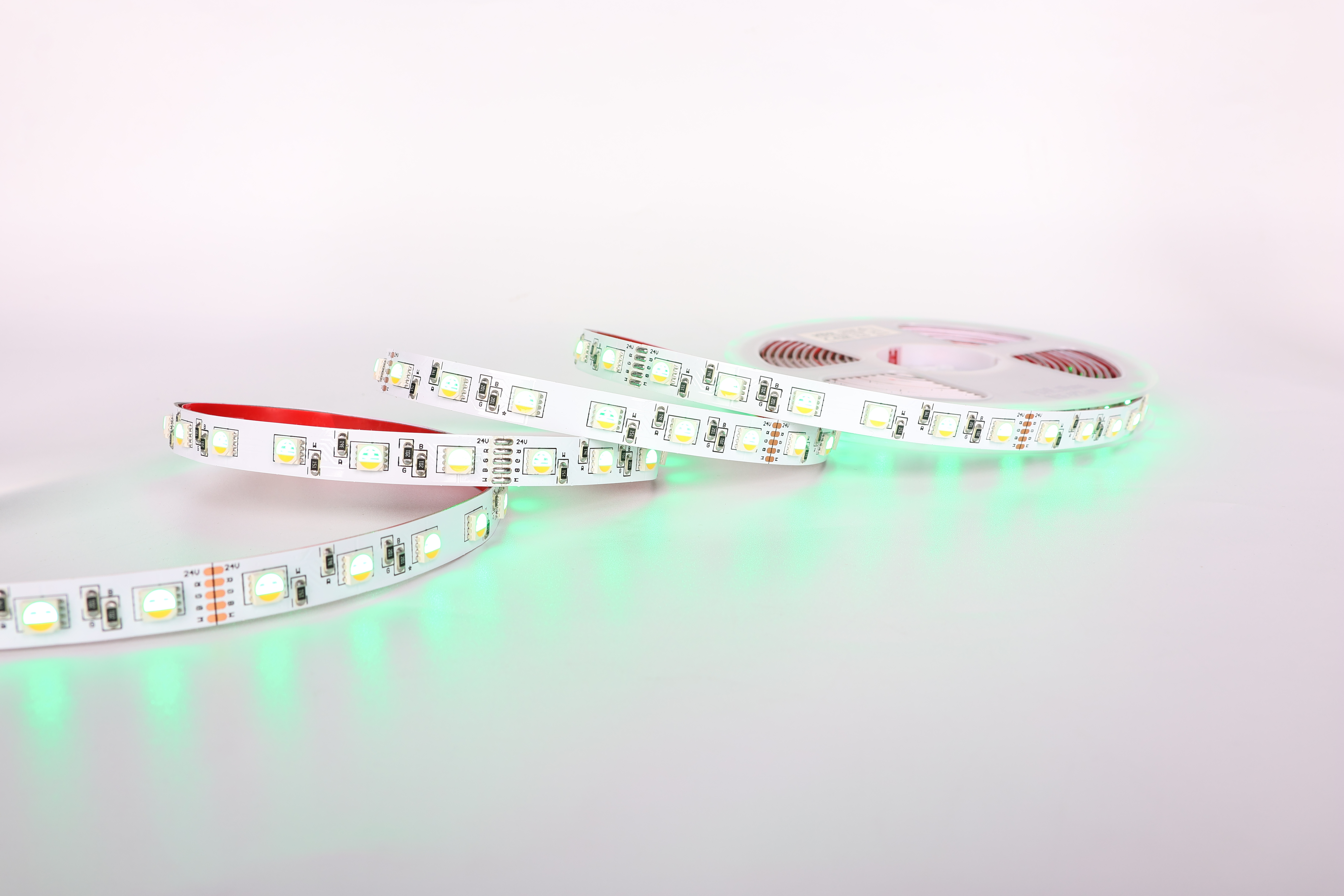
The shift from traditional lighting to modern alternatives represents one of the most significant transformations in how we illuminate our spaces. LED light strips have emerged as a compelling alternative, offering distinct advantages that traditional lighting solutions cannot match. Understanding the core differences between these technologies helps businesses and homeowners make informed decisions about their lighting investments. LED light strips provide flexibility, energy efficiency, and design versatility that fundamentally reshape how lighting integrates into contemporary environments.
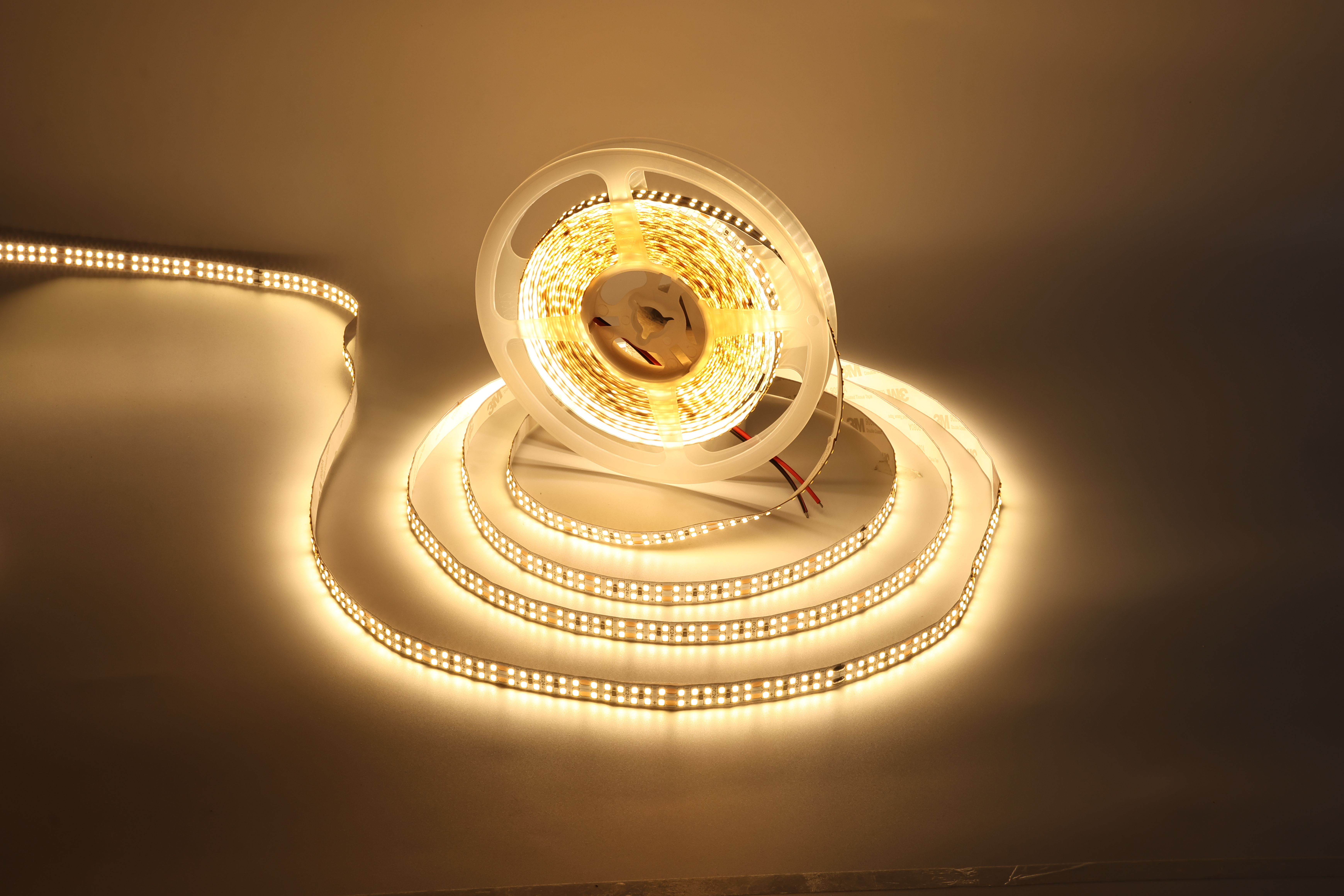
Traditional lighting systems rely on incandescent bulbs, fluorescent tubes, and halogen sources that operate through heat generation or gas ionization. In contrast, LED light strips use semiconductor technology to convert electrical energy directly into light. This fundamental difference in light production creates cascading benefits across energy consumption, lifespan, installation flexibility, and design capability that make LED solutions increasingly preferred across residential, commercial, and industrial applications.
Traditional lighting systems waste significant energy as heat. Incandescent bulbs convert approximately 90 percent of electrical input into heat rather than visible light, making them extraordinarily inefficient. Fluorescent tubes perform better but still dissipate considerable energy through heat and ballast losses. RGB light strips and flexible LED tape lights operate at efficiency rates exceeding 80 percent, converting most electrical input directly into usable illumination. This efficiency difference translates into measurable reductions in electricity consumption, particularly in installations requiring extended operating hours or large coverage areas.
For commercial environments operating lighting systems twelve to sixteen hours daily, the cumulative energy savings become substantial. A facility replacing traditional fluorescent panel lighting with flexible LED tape lights across multiple zones can reduce lighting-related electricity consumption by forty to sixty percent. This reduction directly impacts operational expenses and contributes to sustainability objectives, making LED solutions economically advantageous beyond their initial purchase price.
Traditional incandescent bulbs typically operate for one thousand hours before failure, requiring frequent replacement and maintenance labor. Fluorescent tubes last longer, averaging eight thousand to fifteen thousand hours, but still require regular servicing. Smart strip lighting and RGB light strips demonstrate exceptional longevity, with typical operating lifespans ranging from thirty thousand to fifty thousand hours. This extended lifespan means fewer replacement cycles, reduced maintenance overhead, and lower long-term ownership costs.
The total cost of ownership calculation favors LED solutions significantly when maintenance labor, replacement frequency, and associated downtime are included. Facilities can operate flexible LED tape lights for five to ten years before requiring replacement, whereas traditional systems demand multiple intervention cycles during the same period. This reliability advantage proves particularly valuable in commercial settings where lighting failure disrupts operations and necessitates service calls.
Traditional lighting systems impose structural constraints due to their rigid design and fixed mounting requirements. Recessed ceiling fixtures, wall-mounted sconces, and pendant arrangements demand precise installation planning and often require professional electrical work. RGB light strips and smart strip lighting offer unprecedented adaptability, conforming to curved surfaces, following architectural contours, and integrating seamlessly into unconventional spaces. This flexibility enables designers and installers to achieve lighting effects previously impossible with conventional fixtures.
Flexible LED tape lights can wrap around columns, follow window frames, outline architectural features, and create dynamic accent lighting without structural modifications. Installation requires minimal tools and expertise compared to traditional electrical work, making LED solutions accessible for both professional and DIY applications. This ease of installation reduces labor costs and project timelines significantly.
Traditional lighting provides limited customization options. Standard incandescent and fluorescent sources emit fixed color temperatures and cannot adjust intensity without specialized dimmer circuits. Smart strip lighting revolutionizes this capability through RGB light strips that produce any color within the visible spectrum. Users can transition from warm white tones supporting relaxation to cool blue wavelengths enhancing alertness, all from the same fixture.
The intelligent control aspect distinguishes modern LED solutions from conventional alternatives. Smart strip lighting integrates with automation systems, enabling programmable scenes, responsive color changes based on time or activity, and synchronized effects across multiple zones. This level of control supports ambient environment customization, improves user experience, and enables functional lighting applications beyond illumination—such as circadian rhythm alignment and visual communication.
The environmental advantage of LED light strips extends beyond operational energy savings. Manufacturing flexible LED tape lights requires substantially less material than producing equivalent quantities of traditional fixtures. The reduced material requirement translates into lower extraction demands, reduced manufacturing emissions, and decreased transportation impacts. Over their extended lifespan, LED solutions generate dramatically lower environmental footprints compared to traditional alternatives that require multiple manufacturing and replacement cycles.
Commercial buildings represent significant contributors to global energy consumption, with lighting accounting for approximately twenty to thirty percent of total electricity use. Transitioning facility illumination from traditional systems to RGB light strips and smart strip lighting directly reduces carbon emissions and energy resource depletion. Organizations adopting flexible LED tape lights increasingly recognize environmental stewardship as both an operational cost reduction strategy and a corporate responsibility objective.
Traditional fluorescent tubes contain mercury, requiring specialized disposal procedures and creating environmental liability. Incandescent bulbs generate hazardous waste through frequent replacement cycles. LED light strips eliminate mercury content and reduce total waste volume through extended operational life. While proper recycling protocols should apply to all lighting products, LED solutions present significantly lower environmental risk throughout their lifecycle.
LED light strips convert electrical energy directly into light using semiconductor technology, while traditional incandescent bulbs waste approximately ninety percent of energy as heat. This fundamental difference allows RGB light strips to achieve efficiency rates exceeding eighty percent, consuming forty to sixty percent less electricity than comparable traditional lighting systems over equivalent operating periods.
Yes, flexible LED tape lights require minimal installation expertise compared to traditional fixtures. Most smart strip lighting products use adhesive backing, low-voltage connections, and straightforward wiring, making them suitable for DIY installation. Traditional lighting often demands professional electrician involvement due to higher voltage requirements and structural installation demands, contributing to both cost and project complexity.
Smart strip lighting offers vastly greater control than traditional dimmer switches. While conventional dimmers only adjust brightness, smart strip lighting enables color selection, programmable scenes, automation integration, and synchronized effects across multiple zones. This advanced functionality supports application scenarios impossible with traditional lighting, from dynamic accent lighting to circadian rhythm alignment and responsive environment customization.
