 EN

how-do-outdoor-led-strip-lights-resist-moisture, how-do-outdoor-led-strip-lights-resist-moisture, /technical-insights
EN
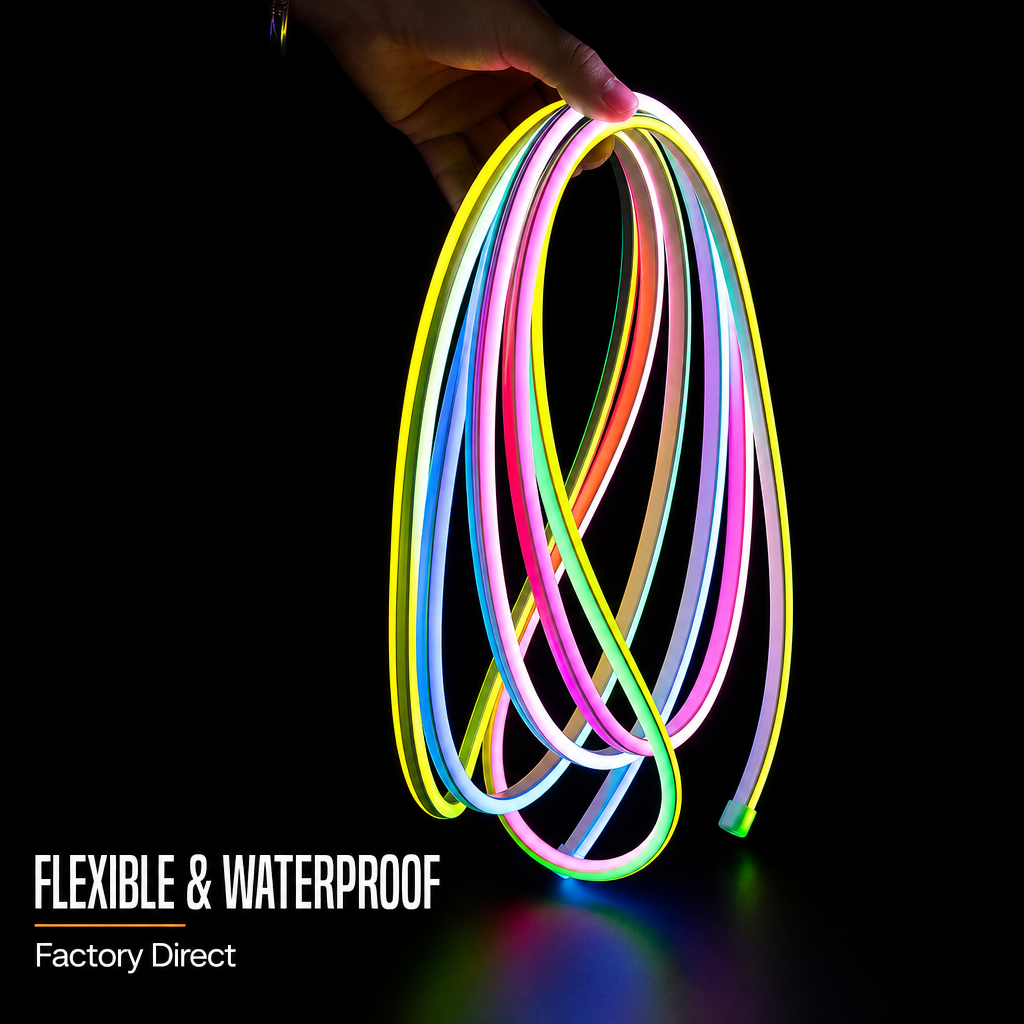
Outdoor LED strip lights face constant exposure to moisture, rain, humidity, and temperature fluctuations that can damage standard lighting installations. Understanding how these lights resist water intrusion is essential for selecting durable outdoor lighting solutions for patios, gardens, decks, and architectural accent applications. The engineering behind weatherproof LED strip lights combines specialized materials, protective coatings, and intelligent design to ensure long-term reliability in demanding environmental conditions.
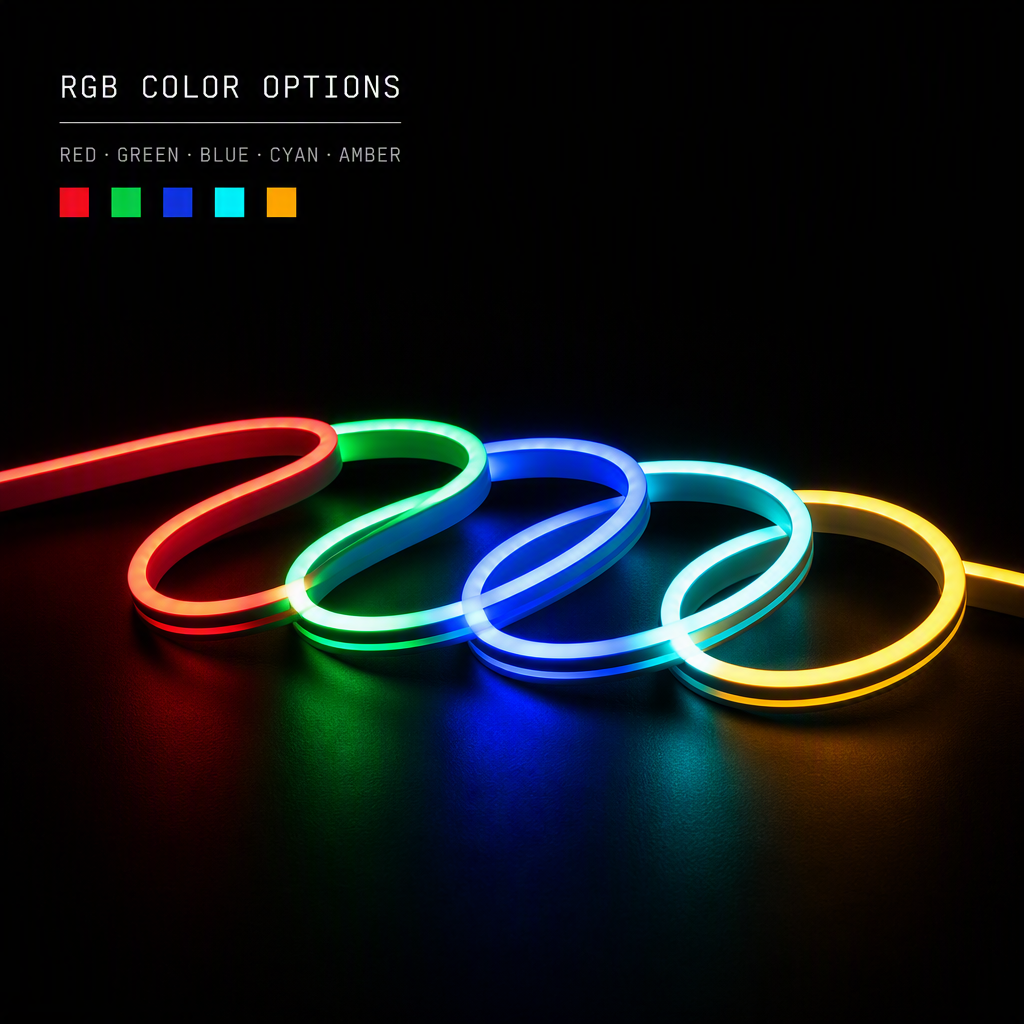
The moisture resistance of outdoor LED strip lights depends on multiple layers of protection working together. From encapsulation techniques to material composition, every component plays a critical role in preventing water damage. This comprehensive guide explores the mechanisms that enable outdoor lighting solutions to withstand moisture, the rating systems that indicate protection levels, and practical considerations for installation and maintenance in wet environments.
Silicone encapsulation is the primary defense mechanism in outdoor LED strip lights. Unlike traditional plastic jackets, silicone rubber creates a flexible, water-resistant barrier that fully encases the diodes, circuitry, and solder joints. Silicone has superior hydrophobic properties, meaning it naturally repels water molecules rather than absorbing them. The material remains flexible across temperature extremes, preventing cracks that could expose internal components to moisture infiltration during freeze-thaw cycles common in outdoor environments.
The application process involves dipping or coating the entire strip in liquid silicone that cures into a durable elastomer layer. This approach differs from simple vinyl jacketing because silicone bonds at a molecular level, creating a seamless protective membrane. For exterior LED tape lights, this encapsulation extends beyond just the LED dies to cover connector sockets, wire terminations, and solder points where water typically enters traditional strips. The thickness of silicone coating directly correlates with moisture resistance durability, with premium weatherproof LED strip lights typically featuring 2-3mm protection layers.
Beyond silicone, many outdoor lighting solutions employ conformal coatings applied directly to the circuit board. These ultra-thin, transparent protective layers seal PCB surfaces and component leads, preventing corrosion and short circuits from humidity and salt air exposure. Acrylic, urethane, and silicone-based conformal coatings each offer different humidity resistance profiles, with manufacturers selecting formulations based on climate conditions where the outdoor LED strip lights will operate.
Conformal coatings fill microscopic gaps and pores in the circuit board material itself, blocking moisture pathways at the material level. This dual-layer protection strategy—exterior silicone encapsulation plus interior conformal coating—creates redundancy that extends service life significantly. Exterior LED tape lights using both protection methods typically achieve 5,000 to 10,000 operating hours before performance degradation in harsh coastal or high-humidity environments, compared to 1,000 to 2,000 hours for uncoated strips.
The Ingress Protection (IP) rating system quantifies moisture resistance in outdoor lighting solutions. An IP68 rating, the highest standard for submerged use, indicates complete dust protection and waterproofing against continuous immersion in water up to specific depths. For outdoor LED strip lights, IP68 certification means the strips can handle direct water spray, temporary submersion, and high-pressure washing without component failure. The rating system's second digit specifically addresses moisture ingress, with ratings ranging from 0 (no protection) to 9K (protection against high-pressure water jets).
Most weatherproof LED strip lights meet IP65 to IP68 standards, ensuring protection against water jets from any direction and complete dust exclusion. These ratings typically verify that no moisture reaches internal electrical components under specified test conditions. Manufacturers conduct rigorous testing by submerging rated strips in water tanks and measuring electrical resistance changes before and after exposure. When selecting outdoor lighting solutions for specific applications, the IP rating provides objective evidence of moisture resistance performance that silicone encapsulation alone cannot guarantee.
Connectors represent the most vulnerable points in outdoor LED strip lights, as they create intentional gaps in the protective barrier. Premium weatherproof LED strip lights feature hermetically sealed connectors using silicone gaskets, metal ferrules, and contact protection caps. These connections employ pressure-fit or screw-thread designs that compress sealing materials, preventing water infiltration while maintaining electrical conductivity. Many exterior LED tape lights include connector caps that remain sealed during installation and must be removed only when connecting power supplies or extension cables.
Solder joints at connector terminals present additional moisture entry points, which manufacturers address through selective conformal coating or potting compounds that harden around these junctions. This targeted protection strategy focuses resources on high-risk areas while maintaining strip flexibility for installation on curved surfaces and complex architectural forms. Advanced outdoor lighting solutions incorporate redundant solder joint geometries and through-hole designs that resist mechanical stress and water capillary action simultaneously.
The circuit board material itself fundamentally determines how outdoor LED strip lights resist moisture penetration. Fiberglass-reinforced epoxy (FR-4), the standard PCB material, has limited inherent moisture resistance because fiberglass and epoxy both absorb water molecules. Premium outdoor lighting solutions use polyimide-based boards or FR-4 variants with reduced moisture absorption rates. Polyimide boards absorb less than 0.15% moisture by weight compared to standard FR-4's 0.5-1% absorption, creating a denser substrate that slows water diffusion pathways through the material.
Copper trace oxidation represents another critical concern in weatherproof LED strip lights exposed to moisture. Manufacturers prevent oxidation through selective nickel-gold plating or tin plating on exposed copper surfaces, which blocks water contact while maintaining electrical conductivity. This metal plating process is especially important for exterior LED tape lights used in coastal environments where salt spray accelerates copper corrosion. The combination of moisture-resistant substrate materials plus protective metal plating creates a system where water cannot easily reach or corrode the conductive pathways that carry power to the LED diodes.
Individual LED diodes in outdoor LED strip lights receive their own protection through silicone dome encapsulation and phosphor coating stability. The silicone used in LED production already provides excellent moisture resistance, but outdoor applications demand additional safeguards. Manufacturers select silicone formulations specifically engineered for UV stability and hydrophobic consistency over decades of outdoor exposure. Unlike standard encapsulation silicones that may degrade or yellow under ultraviolet radiation and ozone exposure, outdoor lighting solutions employ premium silicone compounds with UV absorbers and stabilizing additives.
Phosphor coatings that convert blue diode light into white or colored output can degrade when exposed to moisture and moisture-induced chemical reactions. Weatherproof LED strip lights protect these phosphor layers through multiple encapsulation barriers, ensuring that water vapor cannot reach the coating surface where hydrolysis would occur. This protection strategy directly impacts color consistency and light output stability over the multi-year service life typical of outdoor lighting solutions in residential and commercial applications.
IP68-rated exterior LED tape lights can be submerged in water at specific depths, typically 1-2 meters for consumer products, as long as the rated pressure limits are not exceeded. However, continuous submerged use differs from splash and rain protection, and manufacturers provide detailed specifications for maximum depth and duration. Using outdoor lighting solutions beyond their rated submerged specifications can cause gradual water ingress into sealed connectors and eventually damage internal components, so it is important to verify product ratings match your specific application requirements.
Properly installed weatherproof LED strip lights with quality silicone encapsulation typically last 5,000 to 10,000 operating hours in harsh outdoor environments, with some premium outdoor lighting solutions reaching 15,000 hours. The actual lifespan depends on climate severity, UV exposure, temperature cycling frequency, and installation quality. Regular maintenance, such as removing accumulated debris and checking connector seals, can extend service life significantly by preventing localized moisture accumulation that might compromise the protective barrier over time.
Exterior LED tape lights benefit from periodic inspection of silicone seals, connector caps, and exposed solder joints to ensure the protective barrier remains intact. Cleaning gently with a soft cloth removes salt deposits, algae, and mineral buildup that can degrade silicone over years of coastal or mineral-rich water exposure. Annual checks of connector seals and replacement of damaged silicone sections prevent small moisture entry points from developing into serious problems. These preventive measures ensure outdoor LED strip lights deliver consistent performance throughout their rated service life without premature failure from moisture accumulation.
