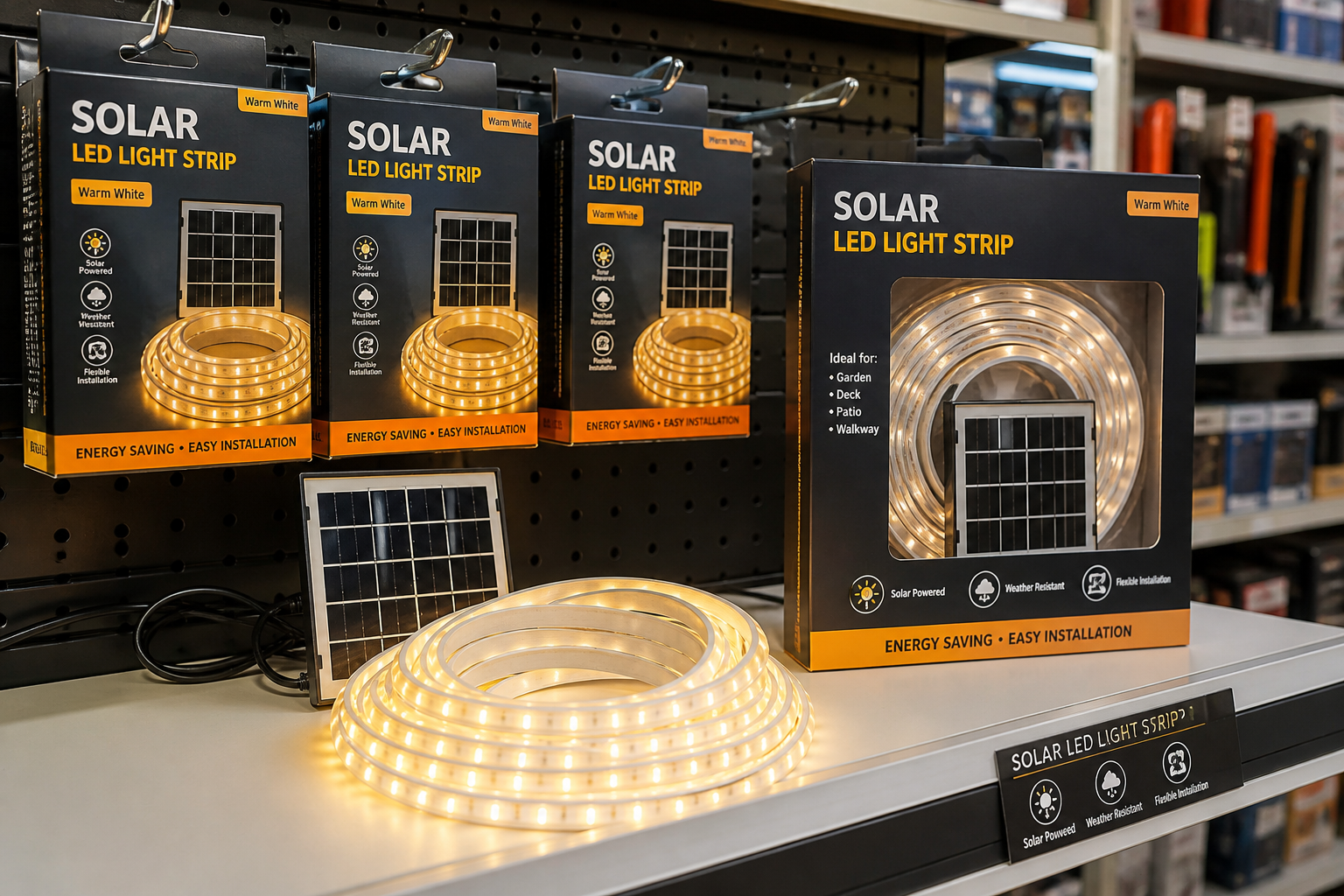
Solar powered LED systems represent one of the most efficient and sustainable lighting solutions available today. These innovative systems harness the sun's energy during the day and convert it into reliable illumination at night, eliminating the need for grid electricity or frequent battery replacements. Understanding how solar powered LED technology operates can help you make informed decisions about outdoor lighting for residential, commercial, or industrial applications. The integration of photovoltaic panels, rechargeable batteries, LED bulbs, and smart controllers creates a complete energy ecosystem that delivers consistent performance across diverse environments and climates.
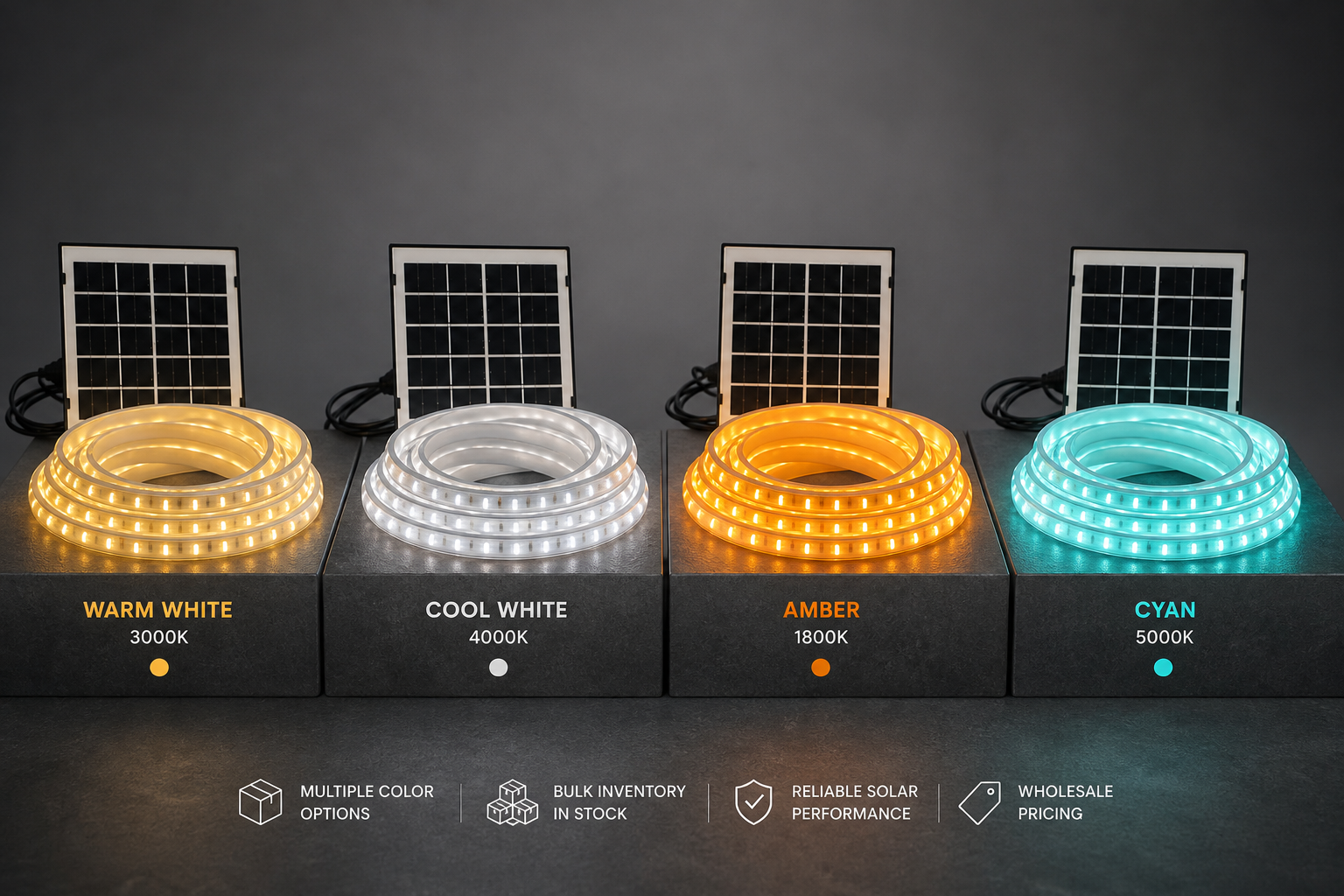
The fundamental principle behind solar LED lights is straightforward yet powerful. A photovoltaic cell captures solar radiation and converts it into electrical current through the photovoltaic effect. This electrical energy charges a rechargeable battery during daylight hours, storing power for use when the sun sets. When darkness falls, a light sensor triggers the system to activate the LED lamp, which draws power from the stored battery reserves. This cycle repeats daily, creating a self-sustaining lighting solution that requires no external power source or manual intervention once installed.
The Core Components of Solar Powered LED Systems
Photovoltaic Panels and Solar Cells
Photovoltaic panels are the heart of any solar powered led system. These panels contain semiconductor material, typically silicon, arranged in cells that absorb photons from sunlight. When photons strike the semiconductor surface, they knock electrons loose from atoms, creating an electrical current. The efficiency of modern photovoltaic panels typically ranges from 15% to 22%, meaning that 15 to 22 percent of the sun's energy hitting the panel converts into usable electricity. Panel size, orientation, and local climate conditions all influence how much energy the system generates. Larger panels capture more sunlight and generate more power, while panels positioned at optimal angles receive maximum solar radiation throughout the day.
Rechargeable Battery Storage
Rechargeable batteries store the electrical energy generated by photovoltaic panels during daylight. Lithium-ion and lithium iron phosphate batteries are increasingly common in modern outdoor solar lighting systems because they offer high energy density, long cycle life, and reliable performance across temperature ranges. These batteries charge when solar panels generate electricity and discharge when the LED lamp operates at night. The battery capacity, measured in milliampere-hours or watt-hours, determines how long the system can provide illumination. A larger capacity battery enables longer operating hours or brighter LED output, while smaller batteries suit applications requiring only a few hours of evening light.
How Solar LED Lights Convert and Utilize Energy
Energy Conversion Process
Solar LED lights employ a seamless energy conversion chain that maximizes efficiency at every stage. The photovoltaic cells convert sunlight into direct current electricity. A charge controller regulates this incoming current, preventing battery overcharging and protecting against electrical faults. The controller also manages voltage levels to match the battery's requirements, ensuring safe and efficient charging. Once the sun sets, a light sensor or timer activates the discharge circuit, allowing stored battery energy to flow to the LED bulb. This conversion from solar energy to electrical energy to visible light happens automatically without user intervention, making solar LED lights genuinely maintenance-free in most conditions.
Light Sensor and Smart Control Systems
Modern outdoor solar lighting systems include sophisticated light sensors and control circuits that optimize energy use. These sensors detect ambient light levels and trigger the LED lamp only when darkness falls, preventing wasted discharge during twilight or cloudy conditions. Some advanced systems incorporate motion sensors that activate the light only when movement is detected, further extending battery life. Timer circuits can limit operating hours to reduce battery drain, ensuring the system functions reliably even during extended periods of cloud cover or winter months. Smart control mechanisms make solar LED lights adaptable to different usage scenarios and environmental conditions, improving overall system resilience and effectiveness.
Performance Factors and Real-World Application
Climate and Seasonal Variations
The performance of portable solar lamps and outdoor solar lighting systems depends significantly on climate and seasonal conditions. In regions with consistent sunshine and minimal cloud cover, solar LED lights operate at peak efficiency and provide bright illumination throughout the night. Conversely, areas with frequent overcast skies or shorter winter daylight hours experience reduced charging efficiency, potentially limiting nighttime operating duration. Temperature also affects battery performance; lithium-ion batteries operate less efficiently in cold conditions, though modern systems are engineered to maintain reasonable performance across temperature ranges of minus ten to plus fifty degrees Celsius. Users in challenging climates should select systems with larger panels or higher-capacity batteries to ensure reliable performance year-round.
Placement and Installation Optimization
Optimal placement of solar LED lights directly impacts their effectiveness and reliability. Panels should face the sun's direct rays for maximum charging potential, typically oriented south in the Northern Hemisphere and north in the Southern Hemisphere. Avoid placing systems under trees, eaves, or other structures that create shade, as even partial shading significantly reduces energy generation. Portable solar lamps offer flexibility for repositioning throughout seasons or adjusting to changing landscape conditions. Proper installation height and angle ensure panels receive consistent solar exposure during peak daylight hours. Regular cleaning of panels removes dust, debris, and pollen that can block sunlight and reduce charging efficiency by up to twenty percent in dusty environments.
FAQ
How long do solar powered LED systems typically last?
High-quality solar LED lights often last between three and five years with proper maintenance, though individual components have varying lifespans. Photovoltaic panels typically maintain seventy to eighty percent efficiency after twenty-five years of operation. Rechargeable batteries generally endure two to three years or approximately one thousand charge cycles before capacity degrades noticeably. LED bulbs can operate for thirty thousand to fifty thousand hours, translating to many years of nightly use. Regular cleaning and protection from extreme weather conditions can extend the overall system lifespan significantly.
Can solar LED lights work during winter or cloudy weather?
Solar LED lights continue functioning during winter and cloudy periods, though with reduced efficiency and shorter operating duration. Photovoltaic panels still generate electricity even on overcast days, though at roughly twenty to twenty-five percent of peak sunny-day capacity. Systems with larger battery capacity provide adequate lighting through shorter winter nights and cloudy periods. In extremely dark regions or during extended cloud cover, supplementary charging methods or larger panel arrays become necessary to maintain reliable illumination throughout the night.
What maintenance do solar LED systems require?
Solar LED lights require minimal maintenance to operate effectively. Regular cleaning of photovoltaic panels every few months removes dust, pollen, and debris that reduce charging efficiency. Check battery connections for corrosion or loose contacts, and inspect the LED housing for water ingress or damage. Most portable solar lamps and outdoor solar lighting systems contain sealed, weatherproof components that need no internal maintenance. Seasonal inspection before winter ensures the system is ready for reduced daylight hours and temperature fluctuations, maximizing performance reliability.
 EN