 EN

how-do-waterproof-led-strip-lights-handle-moisture, how-do-waterproof-led-strip-lights-handle-moisture, /technical-insights
EN
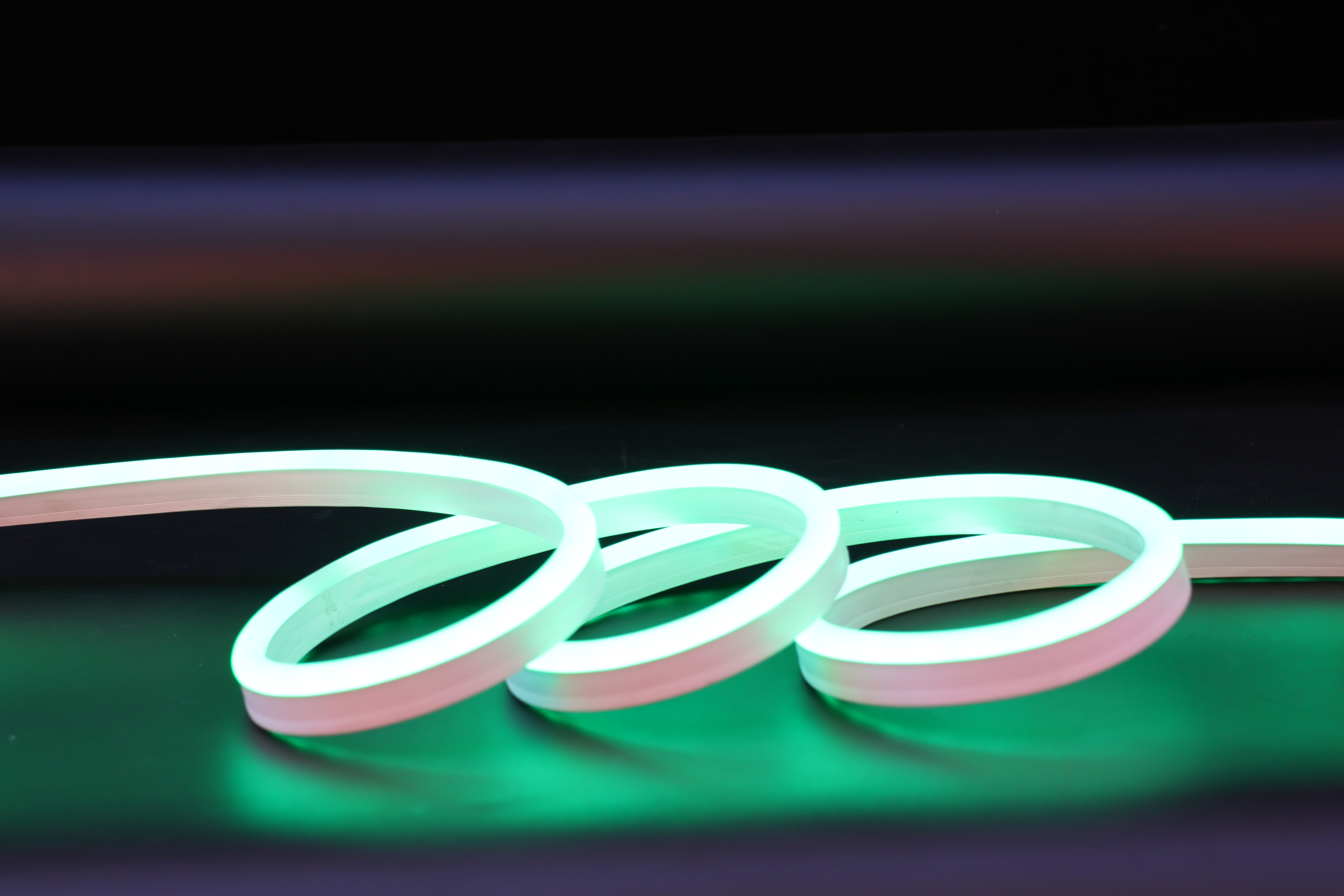
Moisture poses one of the most persistent challenges to electrical lighting installations, particularly in outdoor or humid environments. Understanding how waterproof LED strip lights handle moisture is essential for anyone planning reliable outdoor lighting solutions. These specialized lighting systems employ multiple layers of protection to shield sensitive electronic components from water damage, corrosion, and electrical failure. The engineering behind moisture resistance involves careful material selection, sealed component design, and protective coatings that work together to extend the lifespan and reliability of your lighting installation.
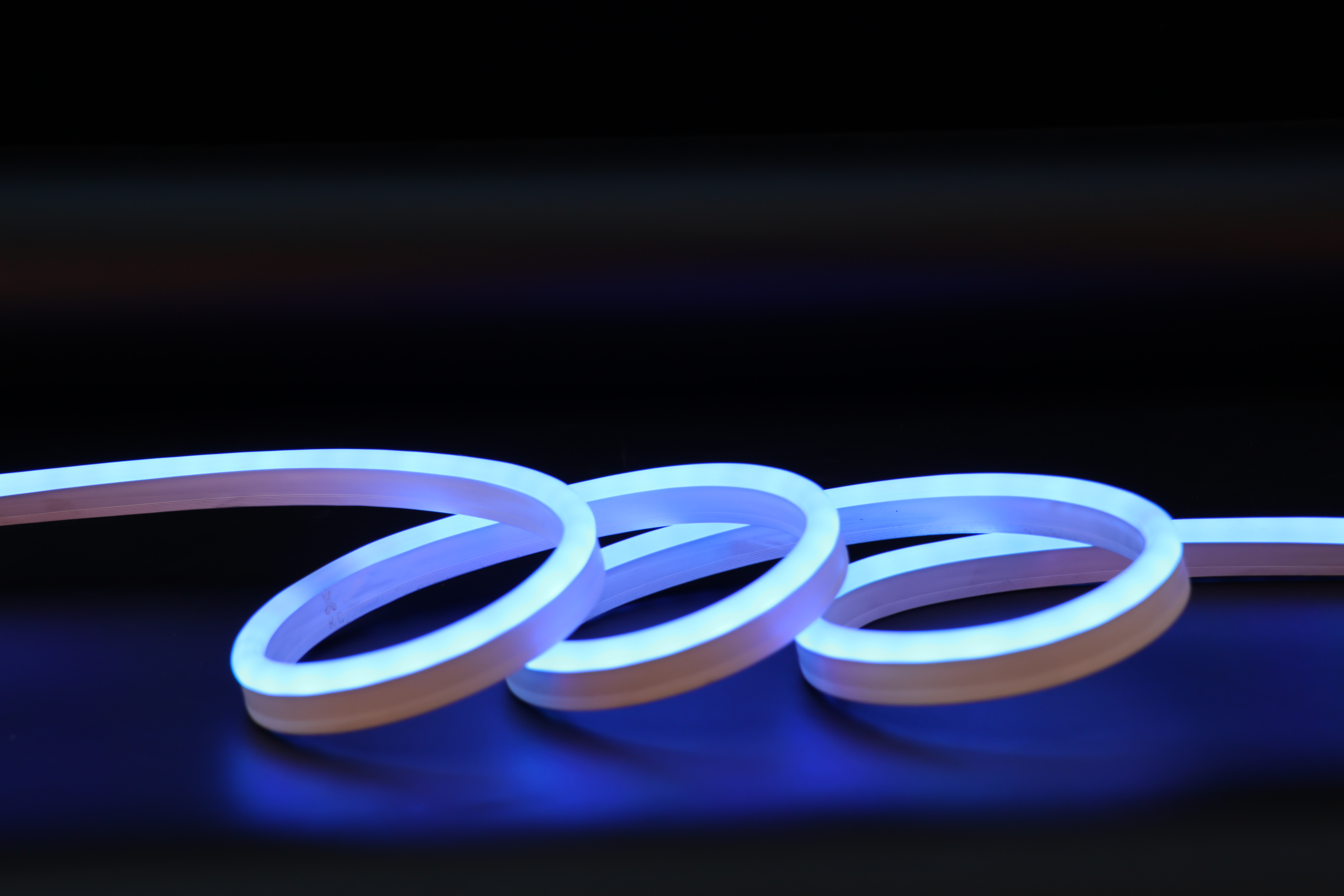
The protection mechanisms found in outdoor LED strip lights represent decades of advancement in electrical engineering and material science. From silicone encapsulation to IP rating classifications, modern water resistant LED lighting incorporates defensive strategies at every level. Whether you are installing lights in coastal environments, pool areas, or regions with heavy rainfall, knowing these protection principles helps you select products that truly deliver long-term performance. This article explores the key technologies and design features that enable waterproof LED strip lights to function safely and reliably in challenging moisture conditions.
IP ratings provide a standardized way to measure how well electrical equipment resists moisture and dust infiltration. The letters 'IP' stand for 'Ingress Protection,' and the two-digit code that follows indicates specific protection levels. The first digit addresses dust ingress, while the second digit specifically measures water resistance, which is critical for outdoor LED strip lights. An IP67-rated product, for example, can withstand temporary immersion in water up to one meter for thirty minutes, making it suitable for most outdoor applications. IP68 ratings offer even greater protection, allowing prolonged submersion in water at depths determined by the manufacturer. Understanding these classifications helps you choose IP rated LED strips that match the moisture exposure your installation will actually face.
Silicone and specialized polymer encapsulation form a physical barrier that seals electronic components against moisture penetration. When water resistant LED lighting manufacturers apply these materials, they completely envelope the circuit board, solder joints, and electrical connections that would otherwise corrode when exposed to moisture. This encapsulation is not merely a thin coating but rather a comprehensive seal that fills gaps and crevices where water might otherwise accumulate. The silicone material remains flexible even in extreme temperatures, preventing cracks that could compromise the seal. Quality outdoor LED strip lights use food-grade or medical-grade silicone to ensure durability and long-term water resistance without degradation over months or years of exposure.
Connectors represent vulnerable points where water can enter electrical systems, so waterproof LED strip lights employ specialized connector designs to prevent moisture ingress. Many manufacturers use sealed junction boxes and IP-rated connectors with rubber gaskets and tight-fitting covers that prevent water from reaching the electrical contacts beneath. These connectors often feature silicone or rubber seals that compress when the connector is inserted, creating a watertight connection between components. Some advanced designs include drainage channels or raised connector profiles that direct water away from electrical contacts rather than allowing it to pool around them. Testing these connectors under real-world conditions including splash, spray, and partial submersion ensures they maintain their protective qualities throughout extended outdoor use.
The printed circuit board itself requires special design considerations for outdoor LED strip lights to perform reliably in wet conditions. Manufacturers apply conformal coatings to the PCB surface, which creates a thin protective layer over solder joints and component leads. This coating prevents corrosive moisture from reacting with exposed metals and weakening electrical connections over time. Water resistant LED lighting designs also incorporate wider solder pads and improved trace spacing to reduce moisture accumulation and capillary water migration along the circuit board surface. Copper traces used in IP rated LED strips are often treated with special finishes that resist oxidation, ensuring consistent electrical conductivity even when moisture is present. These design choices transform simple LED strip lights into truly resilient components capable of surviving extended outdoor exposure.
Manufacturers of outdoor LED strip lights subject their products to rigorous moisture testing protocols that simulate real-world conditions far more severe than typical installations will experience. Salt spray testing, for instance, accelerates corrosion by exposing products to saltwater environments that simulate coastal installations. Thermal cycling tests rapidly alternate between hot and cold temperatures while exposing products to moisture, stressing both the encapsulation and connector seals. Submersion tests evaluate IP rated LED strips by placing them in water tanks at various depths for extended periods to verify the integrity of all protective barriers. These standardized tests, conducted according to international standards like IEC 60529, provide objective evidence that waterproof LED strip lights can deliver the protection claims manufacturers make. Products that pass these rigorous protocols demonstrate genuine moisture resistance rather than merely marketing promises.
While water resistant LED lighting is engineered to resist moisture, environmental factors influence how long protective mechanisms remain effective. Ultraviolet radiation gradually breaks down silicone encapsulation over extended outdoor exposure, particularly in sunny climates. Temperature fluctuations cause expansion and contraction of materials, potentially creating microscopic cracks in protective coatings if materials with different thermal properties are used together. High humidity environments combined with temperature changes accelerate water vapor diffusion into even sealed components over years of continuous operation. Airborne salt and chemical pollutants in industrial areas can attack protective coatings more aggressively than pure rainwater. Understanding these environmental factors helps you anticipate when waterproof LED strip lights may require replacement or maintenance, and guides your selection of products specifically engineered for your particular climate and location.
Yes, even IP rated LED strips can fail if installed or maintained improperly. Poor connector installation, damaged protective seals, or exposure to conditions more severe than the IP rating specifies can allow water infiltration. Punctures in the silicone covering or cracks developing from physical damage or extreme temperature cycling can compromise the water resistance of waterproof LED strip lights. Regular inspection and appropriate maintenance help preserve the moisture protection that these lighting systems provide, extending their operational lifespan in demanding environments.
Water resistant LED lighting incorporates multiple protective features that standard LED strips lack, including silicone encapsulation, sealed connectors, conformal coatings on circuit boards, and corrosion-resistant materials throughout. Standard indoor LED strips use minimal or no moisture protection because they operate in controlled environments where water exposure is not anticipated. The additional engineering required for outdoor LED strip lights increases manufacturing cost but provides essential protection that enables reliable operation in wet conditions for years of continuous service.
Quality waterproof LED strip lights often provide five to ten years of reliable operation in typical outdoor environments, though actual lifespan depends on climate severity, UV exposure, maintenance practices, and initial product quality. Products installed in harsh coastal environments or with extreme temperature cycling may show reduced lifespan compared to those in moderate climates. Regular cleaning, inspection of connectors and seals, and prompt repair of any damage can significantly extend the functional life of your outdoor LED strip lights beyond manufacturer expectations.
