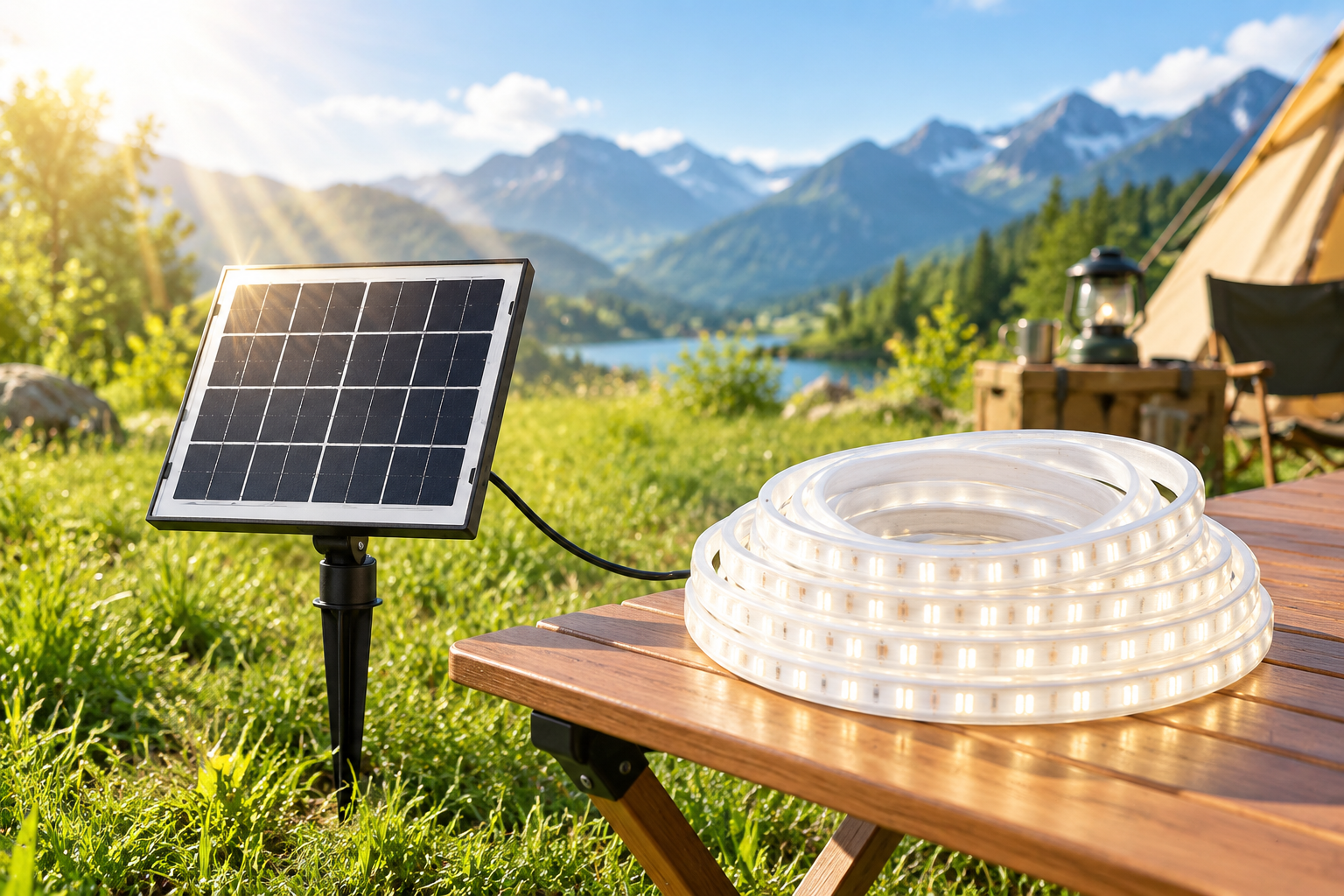
Modern solar powered led technology has revolutionized outdoor illumination by combining renewable energy with cutting-edge lighting efficiency. Today's solar LED lights deliver exceptional performance compared to traditional lighting solutions, making them an increasingly popular choice for residential and commercial applications worldwide. The combination of photovoltaic solar cells with light-emitting diode technology creates a self-sustaining lighting system that requires minimal maintenance and operational costs.
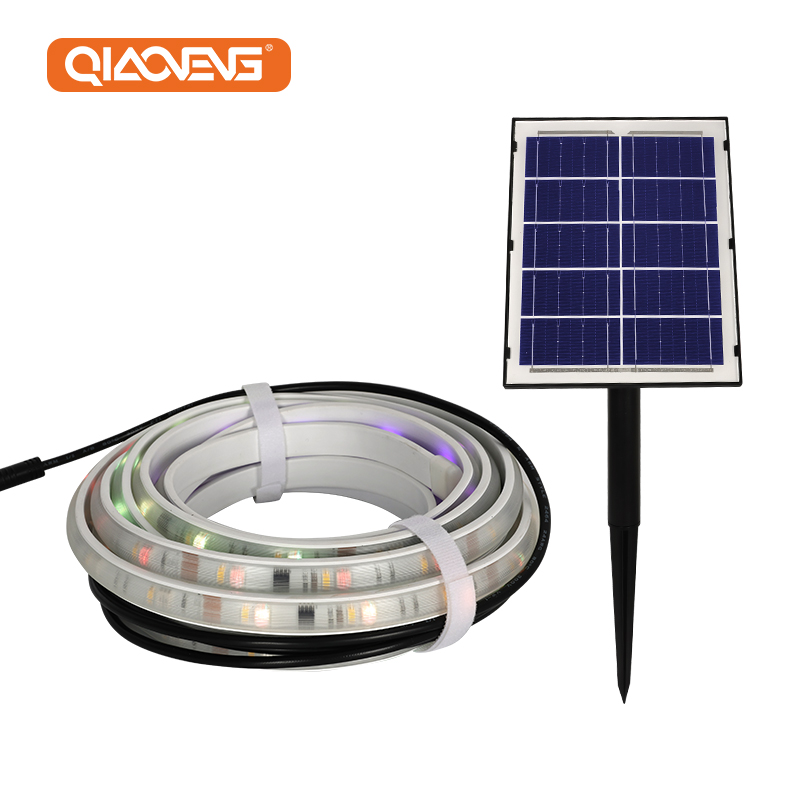
The efficiency of outdoor solar lighting systems has improved dramatically over the past decade, driven by advances in battery technology, solar panel design, and LED output optimization. Modern portable solar lamps now convert sunlight into usable electrical energy with conversion rates reaching 20 to 25 percent, while LED components themselves operate at 80 to 90 percent energy efficiency. This dual-layer efficiency means that solar LED lights waste significantly less energy as heat compared to incandescent or fluorescent alternatives, delivering more consistent illumination over longer operating periods.
Understanding Solar LED Efficiency Metrics
Conversion and Energy Storage Performance
Solar LED lights efficiency depends on multiple interconnected factors working together seamlessly. The photovoltaic panels convert incoming sunlight into direct current electricity, while rechargeable batteries store this energy for nighttime use. Modern solar LED lights utilize monocrystalline or polycrystalline silicon panels that maximize energy capture across various sunlight intensities, ensuring reliable performance even on cloudy days. Battery technology, typically lithium-ion or lithium polymer compositions, maintains charge capacity through hundreds of charge cycles, providing consistent performance over several years of continuous operation.
The efficiency of outdoor solar lighting systems improves when integrated with smart charge controllers that optimize power distribution. These controllers prevent overcharging, regulate voltage output, and balance energy flow between the solar panel, battery, and LED components. Advanced systems incorporate maximum power point tracking technology, which adjusts the electrical load to extract the highest possible power from solar panels regardless of environmental conditions or time of day.
LED Output and Light Quality
Solar LED lights produce impressive luminous efficacy, measured in lumens per watt, which directly indicates how efficiently electrical energy converts into visible light. Modern LED technology delivers 100 to 150 lumens per watt, compared to incandescent bulbs at only 15 lumens per watt. Portable solar lamps equipped with quality LED chips provide bright, consistent illumination suitable for pathways, gardens, security applications, and outdoor entertainment spaces. The color rendering index of contemporary solar LED lights ranges from 70 to 95, ensuring that colors appear natural and accurate under artificial solar-powered illumination.
Real-World Performance Advantages
Operating Lifespan and Reliability
One of the primary efficiency benefits of solar LED lights is their extended operating lifespan compared to conventional lighting solutions. Quality LED chips function reliably for 25,000 to 50,000 hours without significant lumen degradation, translating to approximately 10 to 20 years of daily use. Solar LED lights eliminate the need for replacement bulbs or frequent maintenance interventions, reducing long-term operational expenses substantially. Outdoor solar lighting systems designed with weather-resistant enclosures and durable materials withstand harsh environmental conditions including rain, snow, extreme temperatures, and UV exposure.
Cost Efficiency and Environmental Impact
The efficiency of solar LED lights translates directly into financial savings and environmental benefits for end users. Since these systems generate their own power through renewable solar energy, they eliminate electricity consumption and associated utility bills entirely. Portable solar lamps require no wiring installation, reducing setup complexity and costs significantly. Over a five to ten year period, solar LED lights deliver lower total cost of ownership compared to grid-powered alternatives, while simultaneously reducing carbon footprint and supporting sustainability objectives across residential and commercial properties.
Environmental advantages extend beyond operational phase considerations. Solar LED lights reduce dependence on fossil fuel powered electrical generation, decreasing greenhouse gas emissions and supporting clean energy adoption. Recycling programs for solar panels and LED components continue to improve, enabling responsible disposal and material recovery at end-of-life stages. Choosing solar LED lights demonstrates commitment to environmental stewardship while maintaining reliable outdoor illumination performance.
Optimization and Practical Applications
Maximizing System Performance
Proper installation and maintenance practices significantly enhance the efficiency of outdoor solar lighting systems. Positioning solar panels to receive unobstructed sunlight for maximum hours daily directly impacts energy capture and battery charging rates. Clearing accumulated dust, dirt, or debris from panel surfaces maintains optimal light absorption and conversion efficiency. Seasonal angle adjustments for solar panels can further improve performance in regions with significant seasonal sun path variations throughout the year.
Selecting Appropriate Solar LED Solutions
Different outdoor solar lighting applications require different efficiency configurations and specifications. Portable solar lamps suit temporary installations, camping, emergency backup, and flexible deployment scenarios. Permanent outdoor solar lighting installations work better for pathway markers, garden accents, security perimeter illumination, and architectural applications. Evaluating specific brightness requirements, operating duration needs, and environmental conditions helps select solar LED lights designed for optimal efficiency within particular use cases. Modern systems accommodate diverse requirements while maintaining the core efficiency advantages that make solar-powered technology attractive.
FAQ
How efficient are solar powered LED lights compared to traditional outdoor lighting?
Solar LED lights operate at 80 to 90 percent efficiency with solar panels converting 20 to 25 percent of sunlight into usable electricity, compared to incandescent solutions at only 15 lumens per watt. This efficiency advantage eliminates electricity costs entirely while reducing maintenance needs and environmental impact significantly over the lighting system lifespan.
What factors most impact the efficiency of outdoor solar lighting systems?
Panel orientation and sunlight exposure, battery storage capacity and condition, LED chip quality, charge controller optimization, and maintenance practices collectively determine overall efficiency. Systems positioned to receive maximum unobstructed sunlight and maintained free from dust deliver superior performance compared to partially shaded or neglected installations.
Are portable solar lamps suitable for permanent outdoor applications?
While portable solar lamps offer flexibility and ease of deployment, permanent installations benefit from fixed solar LED lights designed specifically for long-term outdoor use with enhanced weather resistance and durability. However, quality portable solar lamps can function reliably in permanent applications when positioned appropriately and maintained regularly throughout their operational lifespan.
 EN