 EN

how-long-do-solar-powered-led-batteries-last, how-long-do-solar-powered-led-batteries-last, /technical-insights
EN
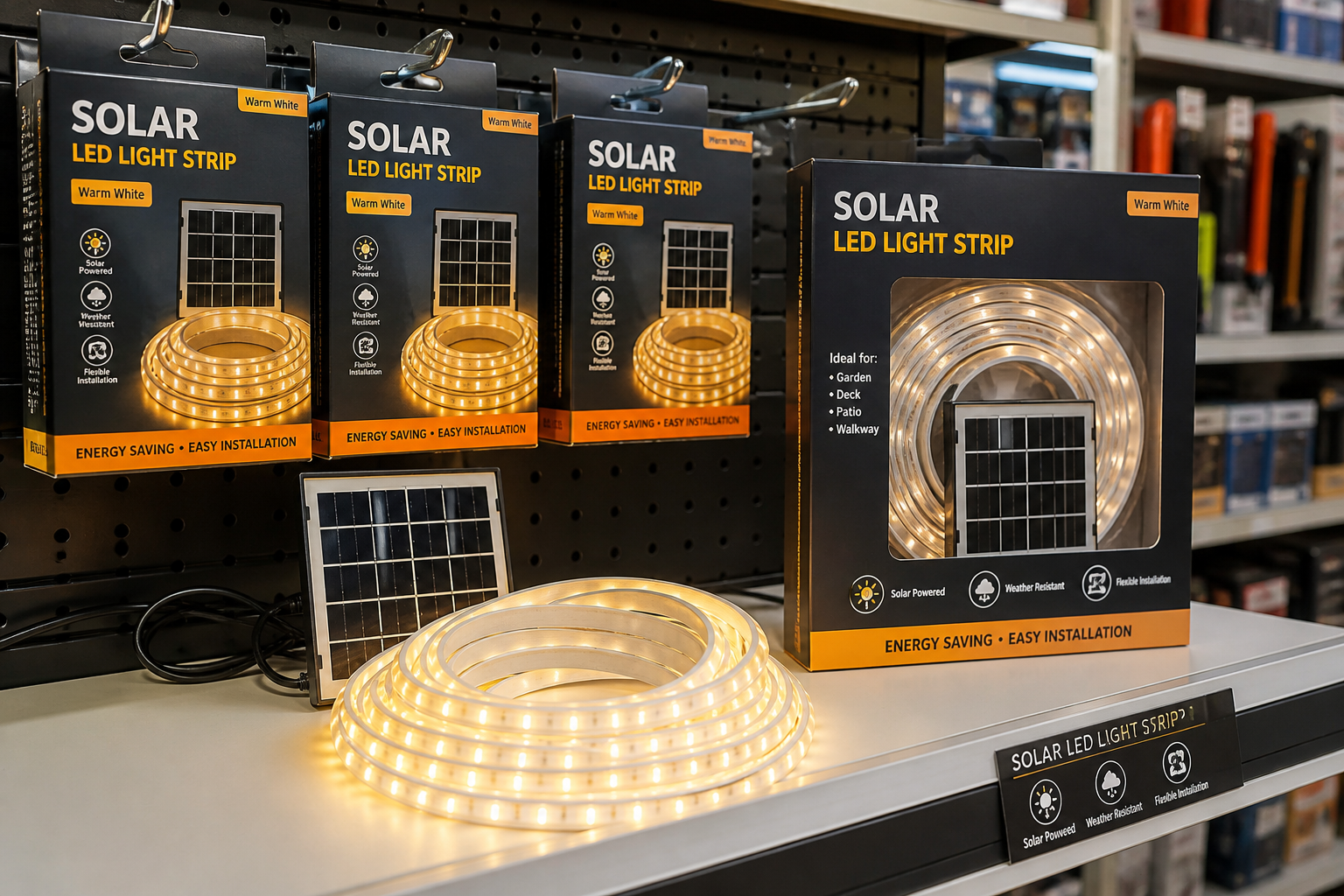
The lifespan of solar LED lights depends on several interconnected factors, including battery chemistry, charge cycles, environmental conditions, and maintenance practices. Understanding how long solar powered led batteries actually last helps you make informed purchasing decisions and plan for replacement timelines. Most quality solar LED lights feature rechargeable batteries designed to operate effectively for three to five years under normal conditions, though premium models may extend beyond this range.
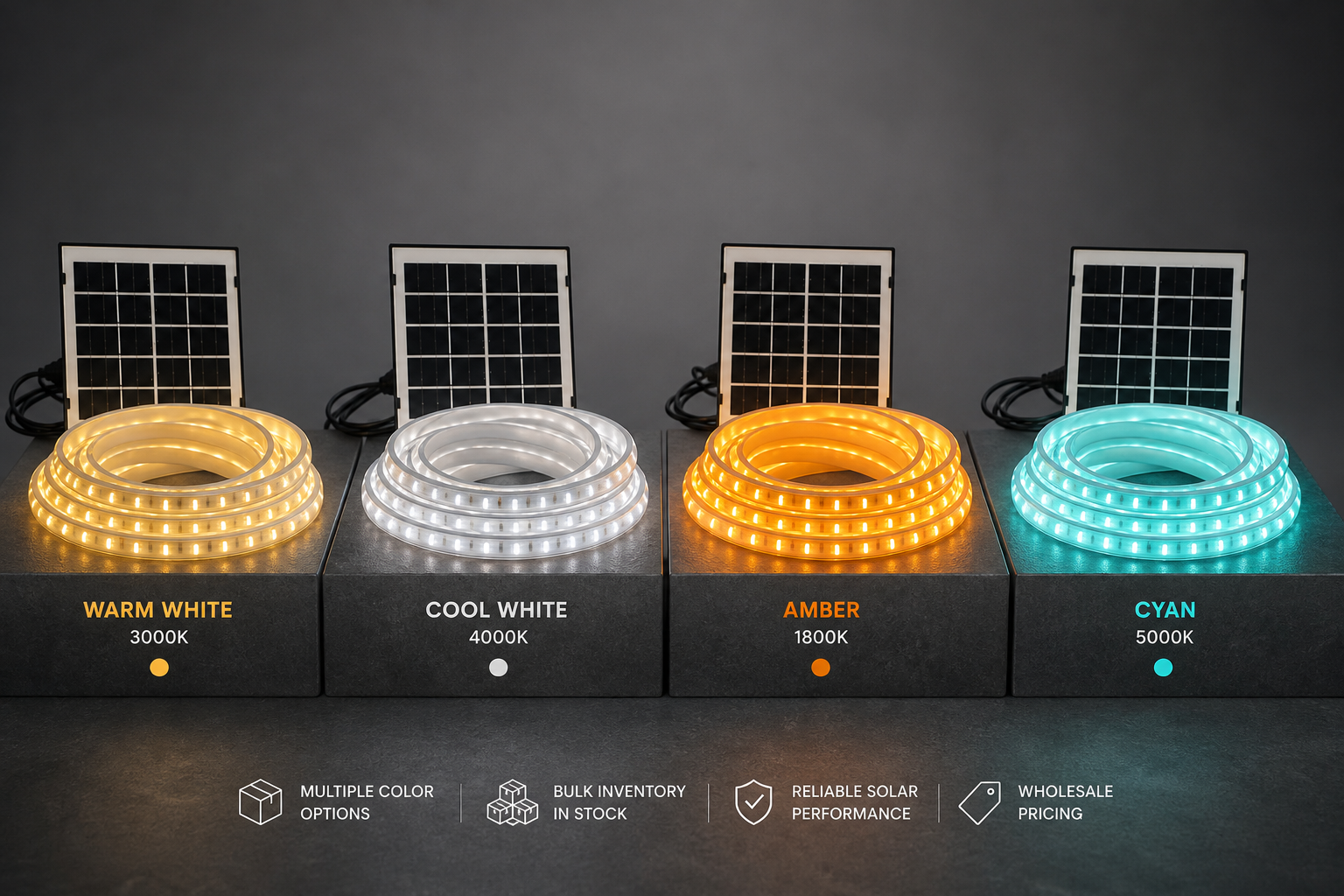
Battery performance in outdoor solar lighting systems is fundamentally tied to the number of charge cycles they endure each year. A typical solar LED lamp charges during daylight and discharges at night, completing one full cycle daily. Over time, this repeated cycling reduces the battery's capacity to hold charge, eventually leading to dimmer output or shortened runtime. Recognizing these patterns allows property owners to anticipate maintenance needs and optimize their solar lighting investments.
Modern solar LED lights primarily use lithium-ion batteries because they offer superior energy density, longer lifespan, and better performance in outdoor solar lighting applications. Lithium-ion cells typically retain 80 percent of their original capacity after 500 to 1000 charge cycles, translating to approximately two to three years of daily operation. Some outdoor solar lighting systems employ older nickel-metal hydride technology, which generally survives 300 to 500 cycles before significant degradation. For portable solar lamps intended for extended use, lithium-ion chemistry provides better long-term value despite higher initial costs.
Battery capacity, typically measured in milliamp-hours or watt-hours, determines how long your solar LED lights operate after sunset. A solar powered led system with a 2000mAh battery delivers more runtime than a 1000mAh model assuming identical LED power consumption. However, capacity alone does not guarantee longevity. Quality batteries maintain consistent voltage output throughout their discharge cycle, which keeps portable solar lamps operating at full brightness rather than gradually dimming as power depletes. Premium solar LED lights incorporate voltage regulation circuits that maximize usable battery energy.
Temperature represents one of the most significant environmental stressors on solar powered led batteries. Extreme heat accelerates chemical reactions inside the battery, reducing cycle life and overall capacity. Conversely, freezing temperatures slow charging efficiency and can prevent the battery from accepting a full charge. Outdoor solar lighting installations in tropical climates or desert regions typically experience faster battery degradation than temperate zones. For portable solar lamps used in variable climates, choosing products with temperature management features or protective enclosures significantly extends battery lifespan. Ideally, solar LED lights should operate and charge within the 32 to 104 degrees Fahrenheit range for optimal longevity.
Corrosion from moisture penetration damages internal battery terminals and circuit boards, substantially shortening the operational life of solar LED lights. Quality outdoor solar lighting systems feature sealed enclosures with IP65 or higher water-resistance ratings that protect batteries from rain, fog, and humidity. Ultraviolet radiation degrades plastic battery housings and can compromise the integrity of electrical connections, particularly affecting portable solar lamps stored outdoors year-round. Physical impacts, vibration, and repeated thermal expansion cycles also contribute to internal battery damage. Proper installation in protected locations and regular inspection of weather seals help maintain battery health throughout the solar powered led system's service life.
Solar LED lights achieve maximum battery lifespan when charged fully each day during seasons with adequate sunlight. Partial charge cycles extend overall battery life compared to deep discharge patterns. In winter months or cloudy climates, solar powered led systems may not receive enough solar energy to complete a full charge daily, which actually can prolong battery lifespan by reducing total annual charge cycles. For portable solar lamps, storing batteries in a cool, dry place during extended periods of non-use preserves capacity and extends future operational life. Outdoor solar lighting systems benefit from occasional complete discharge cycles to recalibrate battery management electronics, though these should occur only quarterly rather than routinely.
Cleaning the solar panel surface on solar LED lights monthly ensures maximum charging efficiency, preventing undercharging that might trigger deep discharges damaging battery chemistry. Inspecting seals, weather stripping, and connector conditions every six months identifies moisture intrusion risks early. Most quality solar powered led systems reach end-of-life when battery capacity drops below 50 percent of original specifications, typically occurring within three to five years for standard installations. Premium outdoor solar lighting may deliver acceptable performance for seven to ten years. Planning replacement budgets around the three-year mark for portable solar lamps ensures your lighting remains reliable. Many manufacturers now offer modular designs where only the battery requires replacement rather than the entire solar LED lights fixture, reducing long-term operating costs.
Most quality solar powered led batteries last between three and five years under normal operating conditions. This timeframe assumes daily charging cycles, moderate climate conditions, and proper maintenance. Premium lithium-ion batteries in high-end solar LED lights may extend to seven years, while budget models might degrade within two years if exposed to harsh environments or extreme temperatures.
Many modern outdoor solar lighting systems feature replaceable batteries, though some integrated designs require replacing the entire fixture. Before purchasing solar LED lights, verify whether the manufacturer offers standalone replacement batteries. Modular solar powered led products typically cost more initially but deliver better long-term value since you only replace the battery component, not the solar panel and LED assembly. Check product documentation or contact customer support to confirm battery accessibility for your portable solar lamps.
Extreme temperatures, particularly heat above 104 degrees Fahrenheit, degrade solar powered led batteries most rapidly. Moisture infiltration through damaged seals, complete discharge followed by prolonged storage, and inadequate sunlight exposure that triggers partial charging cycles also accelerate degradation. For outdoor solar lighting in harsh climates, selecting waterproof models and installing them in partially shaded locations that stay cooler helps extend battery life compared to full-sun exposure.
