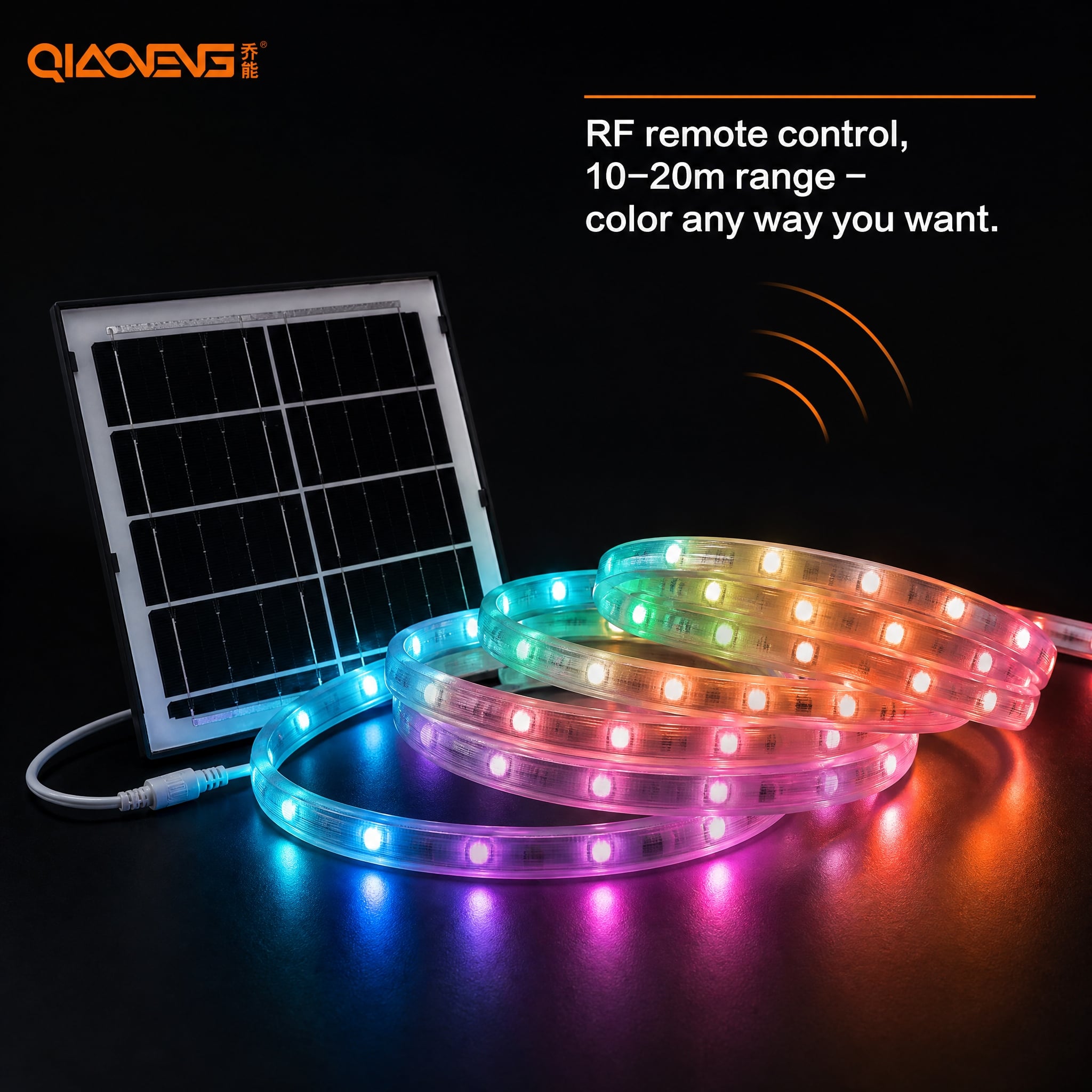
Selecting the right solar powered LED fixtures requires understanding your specific lighting needs, environmental conditions, and performance expectations. Solar powered led solutions have evolved significantly, offering reliable illumination without grid dependency or ongoing electricity costs. Whether you're upgrading residential outdoor spaces or planning commercial installations, making an informed choice ensures you invest in fixtures that deliver consistent performance and longevity.
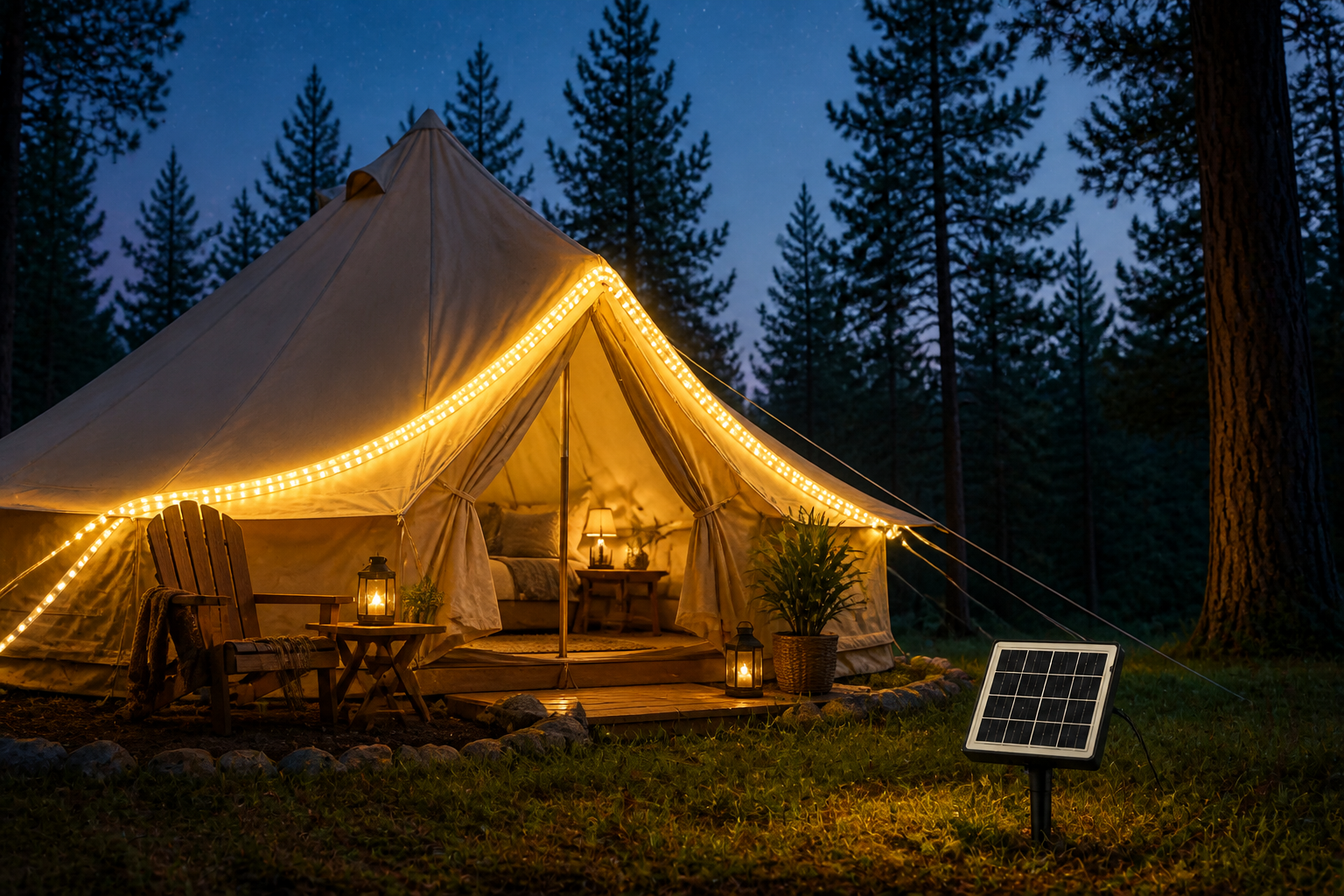
The market offers diverse solar LED lights configurations, each suited to different applications and climates. Understanding the core factors that differentiate quality fixtures helps you eliminate guesswork and select products aligned with your budget and functional requirements. This guide walks you through the essential evaluation criteria, helping you navigate the growing selection of outdoor solar lighting options available today.
Understanding Core Performance Specifications
Brightness and Light Output Capacity
Brightness, measured in lumens, represents the actual light output your fixtures will deliver. Solar LED lights vary significantly in lumen output, typically ranging from 50 lumens for accent lighting to over 1000 lumens for security or pathway applications. Assess your space's size and the lighting atmosphere you want to create. A pathway in a residential garden may require 100-300 lumens per fixture, while security lighting or outdoor entertaining areas demand 500-1200 lumens.
Consider the color temperature as well, measured in Kelvin. Warm white light (2700-3000K) creates an inviting ambiance for patios and seating areas, while cool white or daylight (5000-6500K) provides better visibility for security or task-focused outdoor solar lighting. Your choice should reflect both aesthetic preferences and functional requirements for the specific areas you're illuminating.
Battery Capacity and Runtime
Battery capacity, expressed in milliamp-hours (mAh) or watt-hours (Wh), determines how long your fixtures operate after sunset. Higher capacity batteries support longer runtimes and better performance on cloudy days. Most quality portable solar lamps feature batteries ranging from 1200-4000 mAh, providing 8-12 hours of operation on a full charge. In regions with limited winter sunlight, larger batteries offer insurance against underperformance.
The charging time needed to reach full capacity typically ranges from 6-8 hours of direct sunlight. Consider your geographical location and seasonal weather patterns. Areas with consistent sunshine support reliable daily cycling, while regions with frequent cloud cover may benefit from larger battery capacity to maintain adequate illumination during longer darkness periods.
Evaluating Durability and Environmental Resilience
Material Construction and Weather Resistance
Quality solar LED fixtures use corrosion-resistant materials like stainless steel, aluminum, or reinforced polycarbonate that withstand years of outdoor exposure. The IP rating system classifies water and dust resistance; IP65 rated fixtures offer excellent protection against rain, salt spray, and dust, making them suitable for coastal or harsh environments. IP44 rated options work well for standard outdoor conditions where direct water jets are unlikely.
Temperature resilience matters equally, especially in extreme climates. Premium solar powered led fixtures operate reliably across temperature ranges from -20°C to +60°C, ensuring consistent performance through seasonal changes. Examine the product specifications for temperature ratings, UV-resistant coatings, and seal quality around battery compartments. These details indicate whether fixtures will maintain function and appearance over multiple years of exposure.
Long-Term Performance and Maintenance Requirements
Solar LED lights with quality components typically deliver 5-10 years of reliable service, though lifespan varies based on climate conditions and usage patterns. LED bulbs themselves rarely fail, but battery degradation gradually reduces runtime over time. Look for replaceable battery options that extend fixture lifespan without requiring complete replacement. Products offering simple battery access indicate manufacturers designed for longevity and customer satisfaction.
Maintenance needs remain minimal with outdoor solar lighting, but periodic cleaning of solar panels improves charging efficiency. Dust, pollen, and debris accumulation reduces sunlight absorption and consequently impacts nighttime performance. Fixtures featuring accessible panels and durable, scratch-resistant surfaces require less intensive maintenance while maintaining optimal functionality across seasons.
Installation, Mounting, and Application Flexibility
Mounting Options and Placement Versatility
Solar LED lights come in diverse mounting configurations including ground stakes, wall mounts, ceiling hangers, and magnetic bases. Portable solar lamps offer maximum flexibility, allowing repositioning as landscaping changes or seasonal needs evolve. Ground-mounted fixtures suit gardens, pathways, and flower beds, while wall-mounted options enhance security and accent exterior architectural features. Evaluate your specific installation surfaces and aesthetic preferences before selecting mounting styles.
Consider whether you need permanent installation or prefer temporary, easily removable solutions. Fixed wall mounts provide stability and clean aesthetics for patios and entryways, while stake-mounted options allow seasonal adjustments. Some advanced outdoor solar lighting systems offer modular designs supporting multiple mounting methods, giving you installation flexibility without purchasing separate fixtures for different applications.
Integration with Smart Features and Controls
Modern solar powered led fixtures increasingly incorporate smart features like motion sensors, dimming capabilities, and scheduling controls. Motion-activated fixtures provide security and energy efficiency by only brightening when movement is detected. Dimmable options let you adjust light intensity based on time of night or activity level, extending battery life while maintaining adequate illumination. Remote control functionality, offered by premium models, enables convenient adjustment without manual fixture access.
Timer and scheduling features allow you to program specific on-off cycles, useful for applications where consistent operating hours matter more than sunset-to-sunrise operation. Select fixtures matching your intended control preferences. Simple automatic on-off models suit traditional applications, while adjustable and smart-enabled options serve homeowners wanting customization and energy optimization.
FAQ
How do solar LED lights perform during winter months with reduced daylight?
Winter performance depends on battery capacity, panel size, and geographic latitude. Larger batteries and higher-capacity panels maintain adequate charging despite shorter daylight hours. In regions with extended winter darkness, increasing battery capacity by 50-100% or spacing fixtures closer together compensates for reduced sunlight availability. Some installers use supplemental wired connections for winter months, blending solar operation with grid backup during the darkest periods.
What brightness level do I need for different outdoor solar lighting applications?
Pathway lighting typically requires 100-300 lumens per fixture spaced 8-10 feet apart. Accent lighting for plants, water features, or architectural elements works well with 50-150 lumens. Security lighting demands 500-1000+ lumens positioned to cover entry points and dark zones. For entertaining areas and seating zones, 300-700 lumens provides comfortable illumination without excessive brightness. Your specific needs depend on space size, existing ambient light, and desired atmosphere.
How often should I replace batteries in solar powered LED fixtures?
Most high-quality solar LED lights maintain 70-80% capacity after 2-3 years and still provide adequate illumination. Complete replacement typically becomes necessary after 4-5 years of daily use, though this varies based on climate, usage intensity, and discharge cycles. Many modern fixtures feature user-replaceable batteries, making renewal affordable. Check manufacturer specifications for battery lifespan ratings and consider products offering readily available replacement options to minimize long-term ownership costs.
 EN