 EN

how-to-choose-solar-powered-led-for-outdoor-spaces, how-to-choose-solar-powered-led-for-outdoor-spaces, /technical-insights
EN
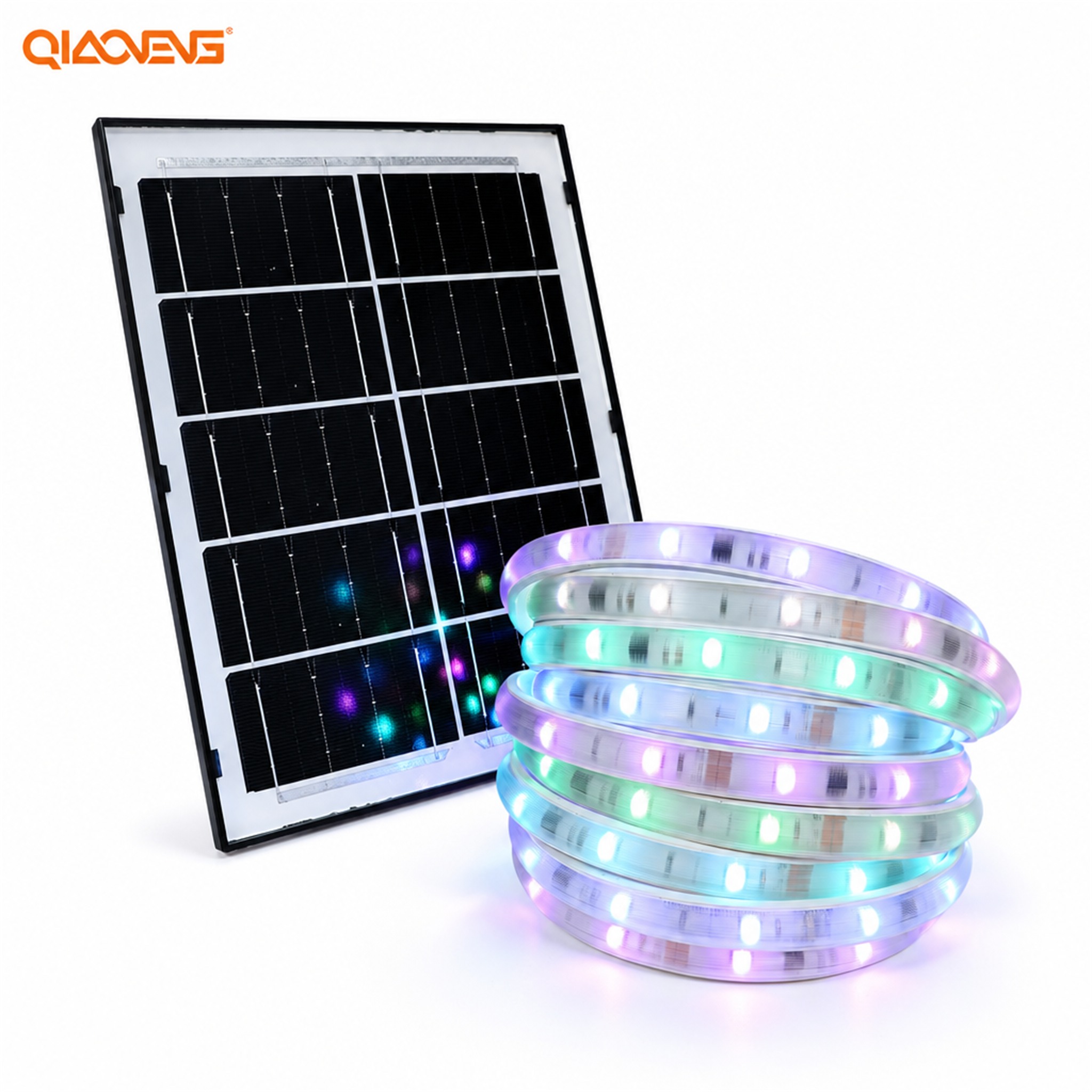
Selecting the right solar powered led solution for outdoor spaces requires understanding key factors that directly impact performance, durability, and return on investment. Whether you're lighting a residential garden, commercial property, or recreational area, the choice between different solar LED lights and outdoor solar lighting systems will determine how effectively your space performs after dark. Many property owners overlook critical specifications during selection, leading to installations that underperform or require premature replacement. This guide walks through the essential decision-making criteria to help you choose the optimal solution for your specific outdoor environment.
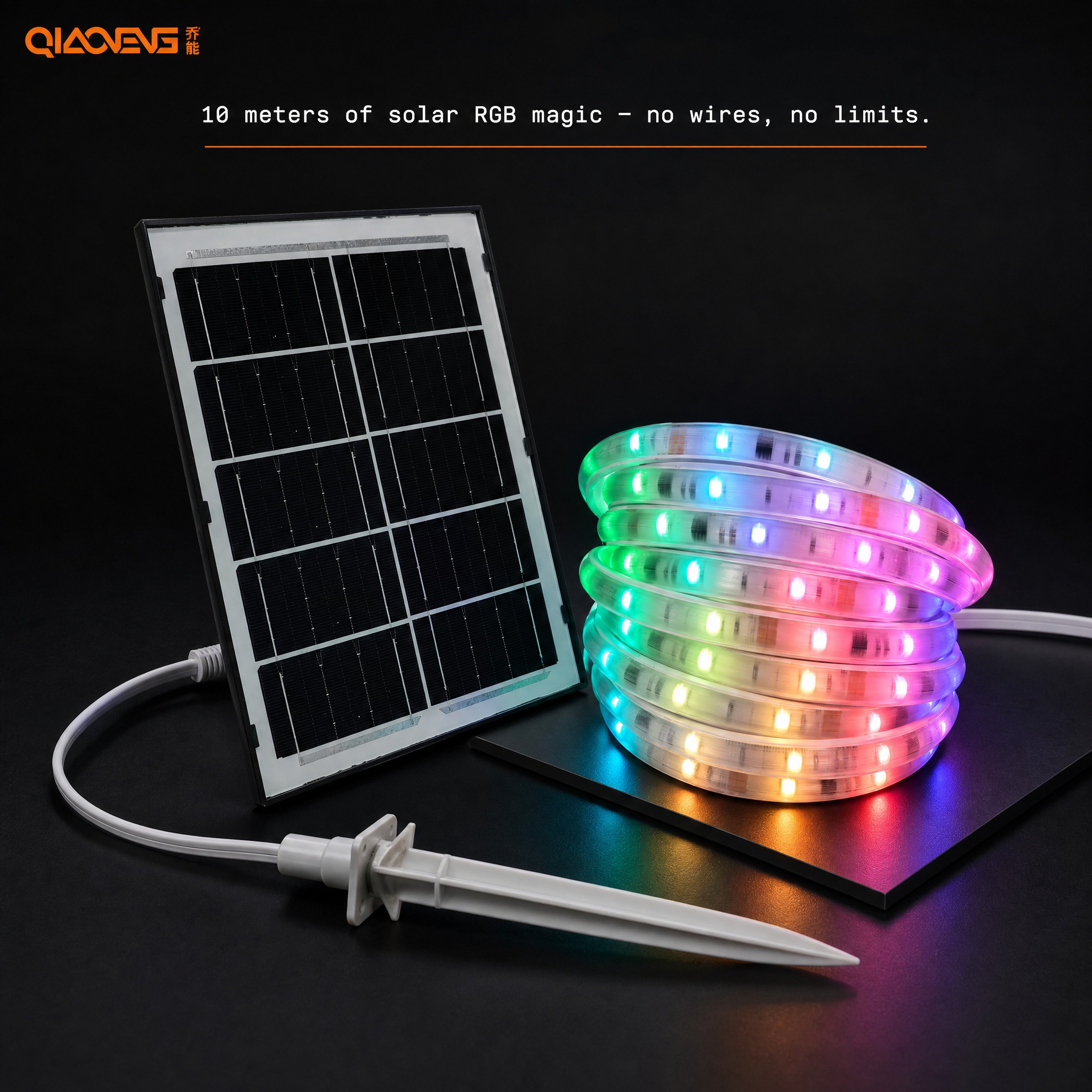
Understanding the fundamentals of solar LED technology helps you make decisions aligned with your project goals. Solar LED lights operate by converting sunlight into electrical energy through photovoltaic cells, then storing that energy in rechargeable batteries. During darkness, the stored energy powers LED bulbs to provide illumination. The efficiency and reliability of this system depend on multiple interconnected components, each requiring evaluation. By examining brightness levels, power capacity, build materials, and environmental conditions, you position yourself to select outdoor solar lighting that delivers consistent performance and justifies the investment over its lifetime.
Brightness measurement in solar LED lights is quantified in lumens, representing the total amount of light a fixture emits. For outdoor spaces, brightness needs vary dramatically based on application. Path lighting typically requires 100 to 300 lumens, accent lighting uses 50 to 150 lumens, and security or area lighting demands 300 to 1000 lumens or more. When evaluating portable solar lamps or fixed solar LED lights systems, check the lumen specification against your intended use. A decorative solar light in a garden setting needs far less output than a security fixture monitoring a property perimeter. Matching brightness to function prevents both wasted energy and inadequate illumination.
Solar LED lights come in various color temperatures, typically ranging from warm white (2700K to 3000K) to cool white (5000K to 6500K). Warm tones create inviting, comfortable atmospheres suitable for residential patios and entertainment areas, while cool white light provides superior visibility for security applications and commercial spaces. The color temperature affects both aesthetic appeal and functional performance. Portable solar lamps used for ambiance require different color considerations than outdoor solar lighting designed for safety or task visibility. Consider the existing architecture, landscape design, and primary function when selecting color temperature for your solar LED lights installation.
The battery capacity of solar powered led systems directly determines how long lights operate after sunset. Batteries are typically measured in milliamp-hours (mAh) or watt-hours (Wh), with larger capacities storing more energy. A 2000mAh battery provides different runtime than a 5000mAh battery, even with identical solar panels and LED brightness. When comparing outdoor solar lighting options, examine both battery size and solar panel wattage, as they work together. A large battery paired with an undersized solar panel may not achieve full charge on cloudy days, while an oversized panel with small battery wastes potential energy collection. The charging efficiency rating indicates how effectively the solar panel converts sunlight into stored electricity, typically ranging from 15 to 25 percent.
Advertised runtime assumes full battery charge and consistent LED output, yet real-world performance varies based on season, weather, and light intensity settings. Most quality solar LED lights provide 8 to 12 hours of operation on a full charge during summer months, but winter performance may drop to 4 to 6 hours. If your portable solar lamps must operate reliably year-round, select units with larger batteries and panels to account for seasonal variations. Some modern outdoor solar lighting systems include adjustable brightness modes, allowing you to extend runtime by reducing output when full illumination isn't necessary. Testing the actual runtime under your local climate conditions provides more accurate planning data than manufacturer specifications alone.
Outdoor environments expose solar LED lights to harsh conditions including UV radiation, moisture, temperature extremes, and corrosive elements. High-quality solar powered led fixtures use stainless steel, aluminum, or marine-grade plastics that resist rust and degradation. The IP rating, such as IP65 or IP67, indicates water and dust resistance levels. IP65 ratings mean the fixture withstands water jets from any direction and complete dust protection, suitable for most outdoor installations. IP67 ratings provide temporary water immersion resistance, ideal for areas prone to flooding or constant moisture exposure. When selecting portable solar lamps or fixed outdoor solar lighting systems, verify the material construction and IP rating match your installation environment. Coastal areas, humid regions, and areas with heavy precipitation benefit from the highest-rated protection available.
The lifespan of solar LED lights depends on LED degradation, battery cycle life, and overall component durability. Quality LED bulbs maintain 70 percent brightness after 25,000 to 50,000 hours of operation, while batteries typically endure 500 to 1000 charge cycles. A fixture used nightly experiences faster battery aging than one used intermittently. Manufacturer warranties ranging from one to three years provide some protection, though comprehensive coverage should include batteries and panels. Solar LED lights systems from established manufacturers often include spare parts availability and technical support. Investing in fixtures with proven track records and transparent warranty terms reduces long-term replacement costs and ensures consistent outdoor solar lighting performance throughout the fixture's intended lifespan.
Most solar LED lights require 6 to 8 hours of direct sunlight daily to achieve full battery charge and deliver the advertised runtime. Placement matters significantly—location in partial shade or under tree cover reduces effective charging time. During winter months or in consistently cloudy regions, charging hours may increase to 8 to 10 hours for adequate performance. If your outdoor space receives less than 6 hours of direct sun, consider solar powered led systems with larger panels or reduced brightness settings to maintain functionality throughout darker seasons.
Solar LED lights and portable solar lamps function in cold climates, but performance declines with temperature drops. Battery efficiency decreases in freezing conditions, reducing runtime significantly. LED output may also dim at extreme cold temperatures due to material properties. For reliable cold-climate operation, select outdoor solar lighting specifically rated for low-temperature environments. Some quality systems include cold-weather battery packs or insulated designs. Testing in your local winter conditions reveals realistic performance before full-scale installation, ensuring outdoor solar lighting meets expectations year-round.
Budget solar powered led options typically use smaller batteries, lower-efficiency solar panels, and basic plastic construction, offering 2 to 4 years of lifespan. Premium solar LED lights feature larger capacity batteries, higher-efficiency panels, marine-grade materials, and advanced features like motion sensors or adjustable brightness. Premium fixtures maintain consistent output longer and withstand harsh environments better. For outdoor solar lighting in high-traffic areas or critical applications like security, premium options provide better value despite higher initial cost. Budget portable solar lamps suit temporary installations or low-visibility applications where durability demands are minimal.
