 EN

how-to-extend-the-lifespan-of-led-light-strips, how-to-extend-the-lifespan-of-led-light-strips, /technical-insights
EN
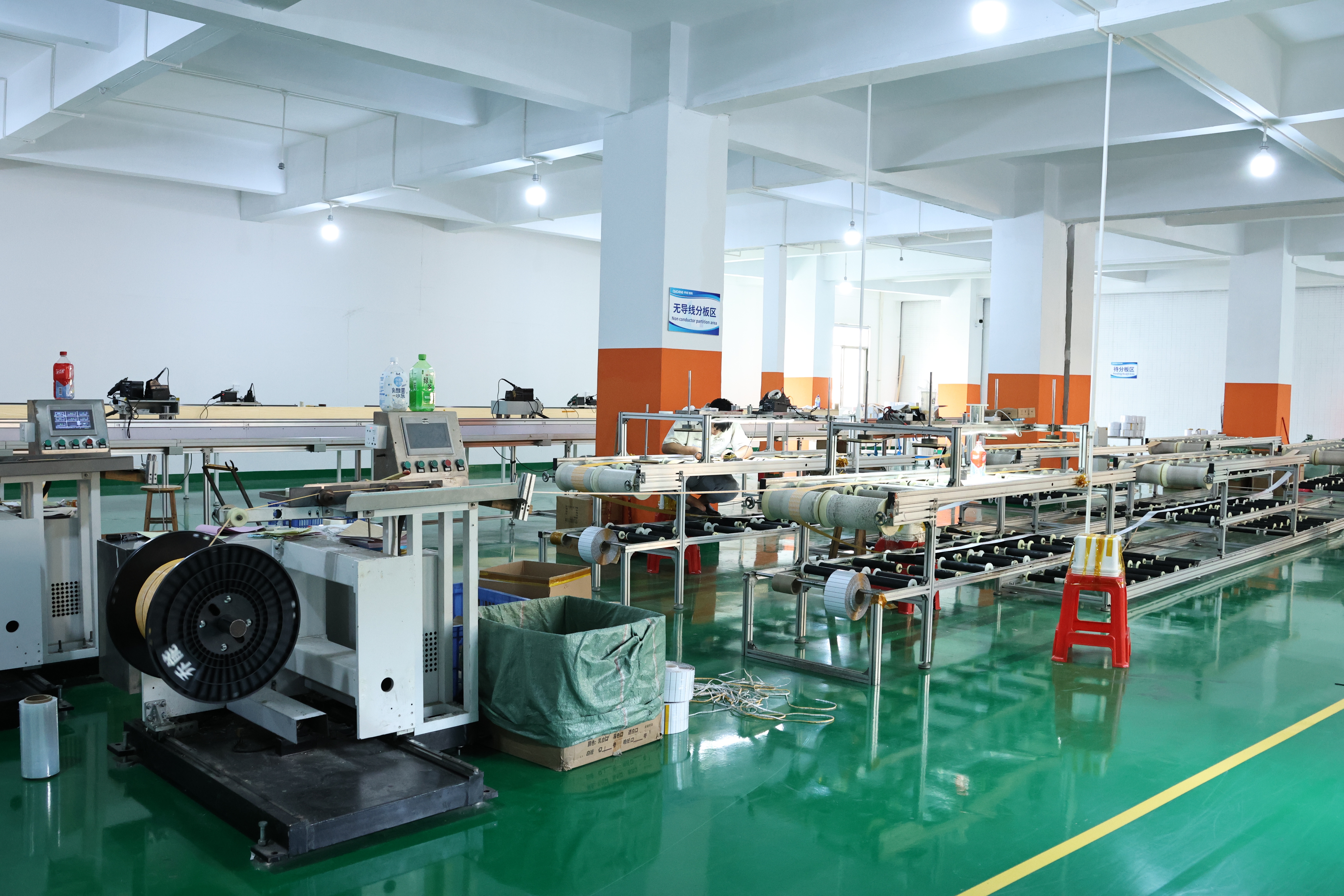
LED light strips have become essential components in modern lighting design, offering versatility, energy efficiency, and aesthetic appeal across residential and commercial applications. However, like all electronic devices, the lifespan of led light strips depends significantly on how they are installed, maintained, and operated. Understanding the factors that influence durability and implementing proper care practices can substantially extend their operational life and maintain consistent lighting performance.
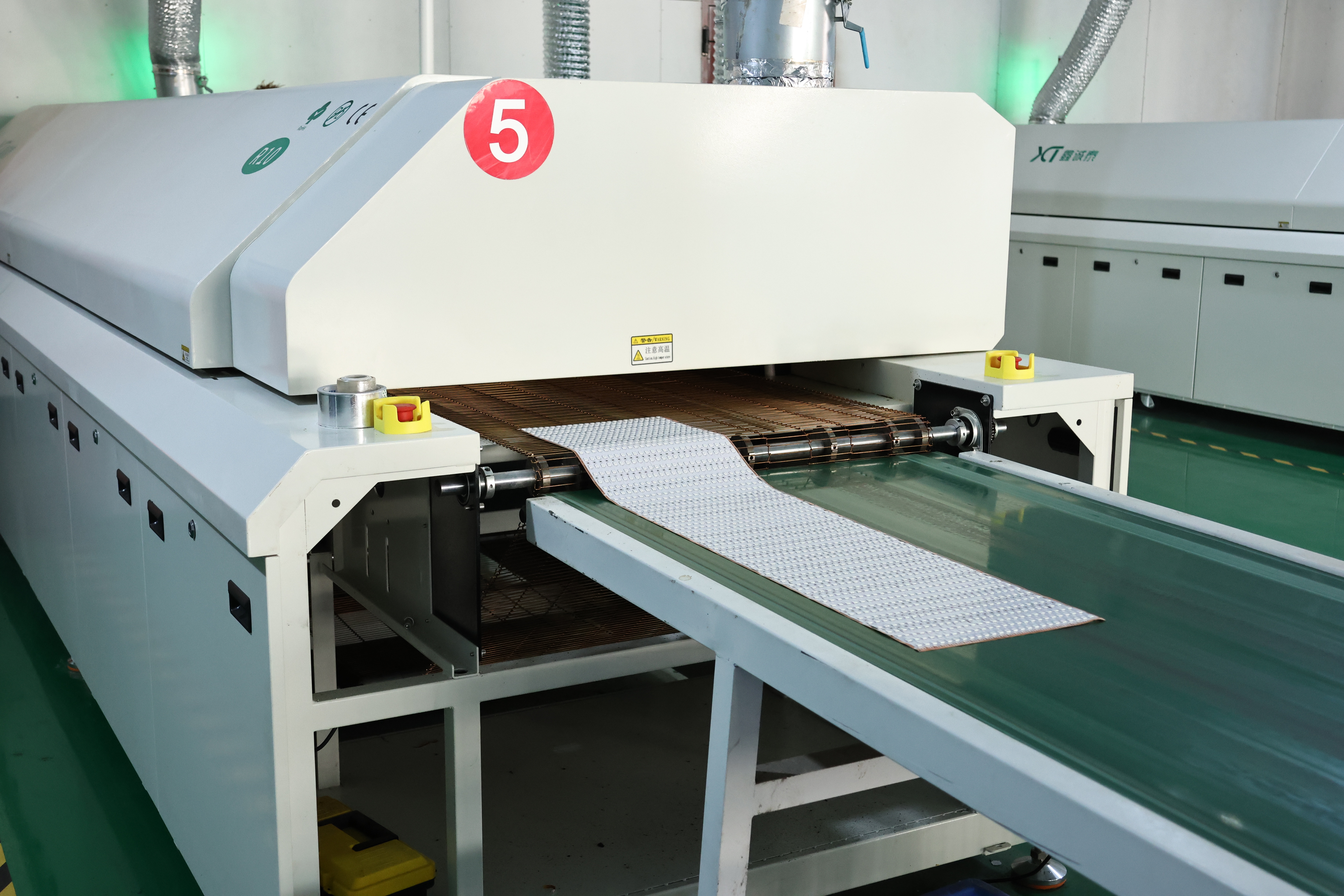
Whether you're using RGB light strips for decorative purposes, flexible LED tape lights for functional illumination, or smart strip lighting for automated control, the fundamental principles of longevity remain consistent. By addressing heat management, electrical stability, and environmental factors, you can maximize the return on your lighting investment and ensure reliable performance for years to come.
One of the primary causes of premature failure in LED light strips is excessive heat buildup. While LED technology is inherently more efficient than incandescent or halogen lighting, the integrated circuits and semiconductor components still generate heat during operation. When RGB light strips or flexible LED tape lights are installed in enclosed spaces, mounted on poorly ventilated surfaces, or operated continuously at maximum brightness, thermal stress accelerates the degradation of solder joints and electrical components within the strips.
Heat management directly impacts the lifespan of smart strip lighting systems. Most manufacturer specifications recommend operating temperatures between 0°C and 45°C for optimal performance. Exceeding these thresholds causes the materials to expand and contract, weakening electrical connections and reducing the reliability of color-mixing circuits in RGB systems. Installing aluminum heat sinks or ensuring adequate air circulation around the strips significantly reduces thermal stress and extends operational durability.
The power supply delivering electricity to flexible LED tape lights plays a critical role in determining their lifespan. Substandard or inadequately rated power supplies introduce voltage fluctuations that stress the LED chips and driver circuits. When RGB light strips receive inconsistent voltage levels, the risk of component failure increases dramatically, particularly during peak demand periods when power demands spike unexpectedly.
Using certified, high-quality power supplies that match the specifications of your smart strip lighting system ensures stable voltage delivery and protects against surge damage. Installing surge protectors and voltage regulators provides an additional layer of protection, preventing sudden power spikes from causing irreversible damage to the LED light strips. This preventive measure is especially important in regions with unstable electrical grids or facilities prone to power fluctuations.
The installation process significantly influences how long RGB light strips and flexible LED tape lights will perform reliably. Before applying adhesive backing, the mounting surface must be thoroughly cleaned and dried to ensure solid contact between the strip and the substrate. Moisture, dust, or residual oils prevent proper adhesion and create air pockets that trap heat, compromising thermal conductivity and accelerating component degradation.
For optimal results, install smart strip lighting on surfaces that offer good thermal conductivity, such as aluminum channels or heat-dissipating substrates. Avoid applying LED light strips directly onto plastic, foam, or highly porous materials that restrict heat dissipation. Proper spacing from edges and corners prevents mechanical stress on solder joints when the strips flex or experience vibration. When cutting LED light strips at designated points, ensure clean cuts using sharp tools and allow adequate time for any adhesive to cure fully before energizing the system.
Routine maintenance extends the lifespan of flexible LED tape lights and other LED configurations substantially. Dust accumulation on the LED chips reduces light output and traps heat, creating a degradation cycle that accelerates component failure. Monthly visual inspections allow you to identify potential issues early, such as discolored LEDs, flickering sections, or loose connections that could worsen over time.
Cleaning LED light strips requires gentle care to avoid damaging delicate components. Use a soft, dry microfiber cloth to remove dust from the surface of RGB light strips and smart strip lighting systems. For more stubborn buildup, slightly dampen the cloth with distilled water, ensuring no moisture enters electrical connections or sealed areas. Always power off the system before cleaning, and allow sufficient drying time before restarting. Regular cleaning combined with periodic electrical connection checks ensures that your flexible LED tape lights maintain consistent performance and longevity.
Operating LED light strips at reduced brightness levels when full illumination is not necessary significantly extends their operational life. RGB light strips operating at 100% brightness continuously experience greater thermal and electrical stress than systems used at moderate levels. Many smart strip lighting systems offer dimming capabilities that reduce power consumption and heat generation without sacrificing functionality or aesthetic appeal.
Implementing automated brightness scheduling further optimizes the lifespan of flexible LED tape lights. By programming higher brightness during peak usage hours and reducing intensity during off-peak periods, you balance performance requirements with component longevity. Similarly, rotating through different color settings in RGB configurations prevents individual color channels from overheating due to continuous operation at identical settings.
The environment surrounding LED light strips directly influences how long they will function reliably. High humidity accelerates corrosion of circuit board components and solder connections, while extreme cold temperatures can make adhesive brittle and reduce electrical conductivity. Maintaining stable environmental conditions between 15°C and 35°C with humidity levels below 60% provides an ideal operating range for smart strip lighting systems and flexible LED tape lights.
Avoiding direct exposure to water, excessive moisture, and corrosive substances protects the integrity of RGB light strips and extends their functional lifespan considerably. In applications where environmental exposure is unavoidable, using waterproof or water-resistant rated LED configurations provides appropriate protection. Proper ventilation in spaces where LED light strips are installed prevents heat accumulation and moisture condensation, both of which contribute to premature component failure and reduced reliability.
Visual inspections should occur monthly to identify dust buildup, discoloration, or loose connections early. However, RGB light strips and smart strip lighting systems used in demanding environments or high-temperature applications benefit from more frequent checks every two weeks. Regular monitoring allows you to address minor issues before they develop into significant problems that require replacement.
Minor repairs to flexible LED tape lights are possible in some cases, such as resealing connections or replacing blown individual LEDs if the circuit design permits isolation. However, most modern LED light strips are designed as sealed units, making extensive repairs impractical. For cost-effectiveness and safety, replacing the entire damaged strip typically offers better value than attempting complex repairs, especially when warranty coverage may apply.
Select power supplies that match or exceed the voltage and amperage requirements specified by your LED light strips manufacturer. Choose certified supplies from reputable manufacturers that include over-voltage and over-current protection. For smart strip lighting and RGB light strips drawing variable power depending on brightness and color settings, selecting supplies rated 20–25% above the maximum calculated requirement provides safety margin and reduces thermal stress on the supply unit itself.
