 EN

how-to-install-outdoor-led-strip-lights-safely, how-to-install-outdoor-led-strip-lights-safely, /technical-insights
EN
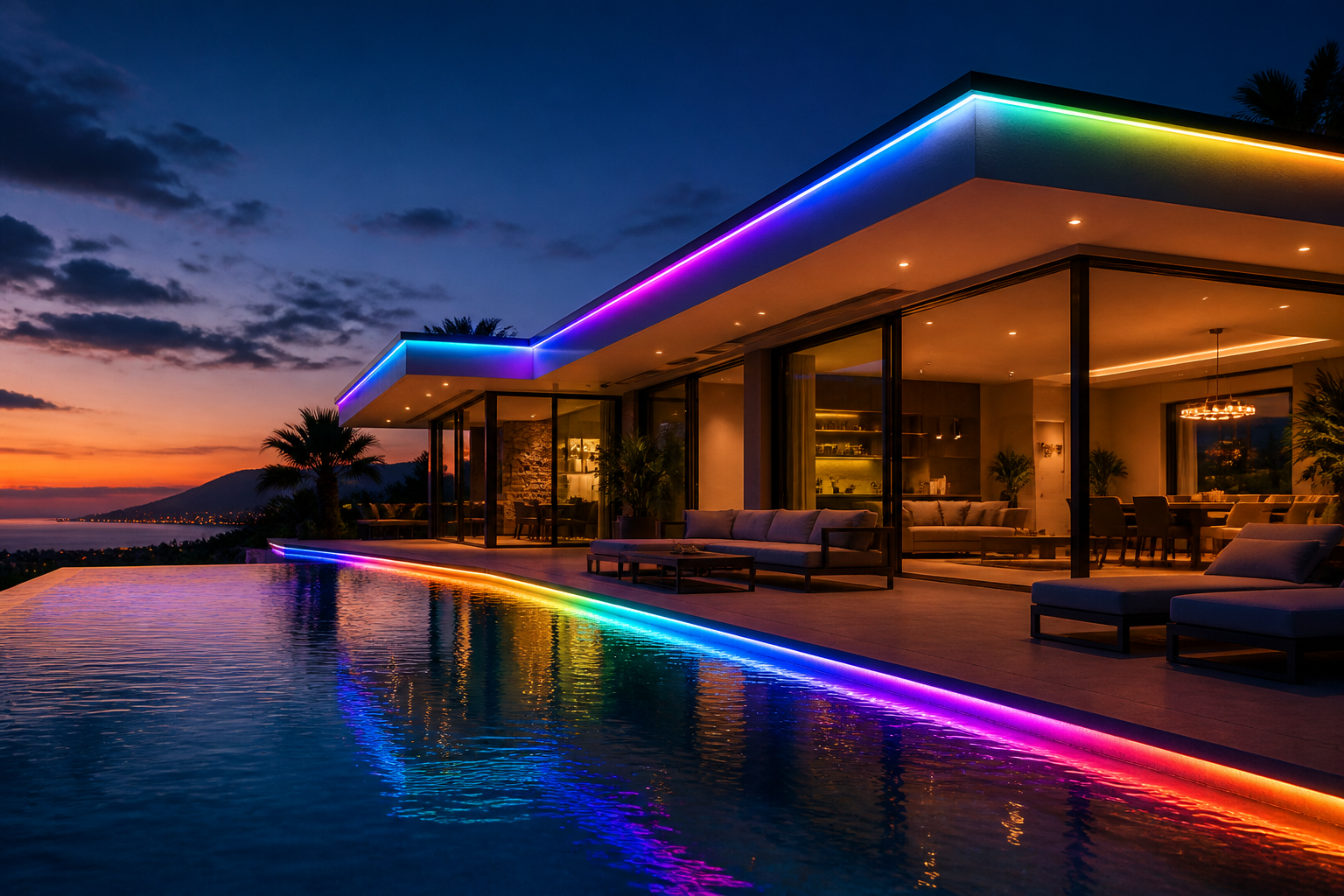
Installing outdoor LED strip lights requires careful planning and attention to safety protocols to ensure long-term performance and prevent electrical hazards. Whether you're upgrading your garden, deck, or building facade, understanding the proper installation methods for outdoor LED strip lights is essential before you begin. This comprehensive guide walks through every step of safely setting up weatherproof led strip lights that will enhance your outdoor space while maintaining electrical integrity.

Safety should be your primary concern throughout the installation process. Unlike standard indoor lighting, outdoor lighting solutions demand resilience against moisture, temperature fluctuations, and UV exposure. Before purchasing any exterior led tape lights, verify that all components carry appropriate IP ratings—ideally IP65 or higher—to guarantee protection against water ingress and environmental stress. Understanding these specifications upfront prevents costly mistakes and ensures your investment functions reliably for years.
Begin by surveying your outdoor installation area to identify the optimal placement for your outdoor led strip lights. Measure the distance from your power source to the installation point, as this affects wire gauge selection and voltage drop calculations. For weatherproof led strip lights running longer than fifteen meters, consider using a dedicated power supply positioned closer to the midpoint of your installation to maintain consistent brightness and prevent voltage degradation. Document surface conditions where you'll mount the strips, whether on wood, aluminum, concrete, or composite materials, as each requires different preparation methods.
Before touching any electrical components, assemble the essential safety tools and materials. You'll need a voltage tester to verify circuit integrity, wire strippers for proper conductor exposure, a heat gun for thermal shrink tubing, silicone-based sealant rated for outdoor use, and cable clamps designed for exterior applications. Ensure your work area has adequate lighting and that you're wearing protective gloves when handling sharp edges or working at heights. Never install outdoor lighting solutions during wet conditions or thunderstorms, as moisture and electrical current create dangerous situations. Have a fire extinguisher rated for electrical fires nearby as a precaution.
Clean your installation surface thoroughly with a mild detergent and allow it to dry completely before mounting weatherproof led strip lights. Remove any rust, paint flakes, or organic growth that could compromise adhesive contact or electrical connections. For exterior led tape lights with adhesive backing, roughen smooth surfaces using fine-grit sandpaper to enhance grip. If the surface is too uneven or exposed to direct water spray, use mounting brackets with integrated spacing rather than relying solely on adhesive. Secure cable runs with stainless steel clamps every thirty centimeters to prevent sagging, water pooling, or stress on connection points.
All electrical connections for outdoor lighting solutions must be sealed against moisture penetration. Use waterproof connectors rated for outdoor use, apply dielectric grease to terminal connections, and reinforce joints with marine-grade silicone sealant. Never leave bare solder joints exposed, as oxidation and corrosion will eventually create open circuits. Install heat-shrink tubing over all crimped connections and apply a secondary layer of silicone to create a complete moisture barrier. For weatherproof led strip lights that require splicing, use connectors specifically designed for IP67 applications rather than standard indoor connectors. Test voltage at every splice point before securing the line to verify proper current flow and identify faults before full installation.
Size your power supply based on total LED wattage plus a 20-percent safety margin—undersized supplies generate heat and fail prematurely. Verify that your exterior led tape lights system draws appropriate current and select a power supply with automatic over-current protection. Install a dedicated 20-amp circuit breaker or GFCI outlet to protect against ground faults that pose electrocution risks. For outdoor lighting solutions exposed to direct water contact, use a GFCI device specifically rated for wet locations and test it monthly to ensure proper function. Position the power supply in a weatherproof enclosure mounted at least 1.5 meters above ground or in a protected location away from standing water.
Lightning and electrical surges can destroy weatherproof led strip lights instantaneously, making surge protection mandatory in most climates. Install a surge protection device rated for your system voltage immediately after the main power disconnect. All metal mounting brackets, conduit, and equipment cases must connect to a proper ground electrode or grounding conductor. For systems using wireless controls or smart features, ensure the control module connects to the same ground plane as the main electrical installation. Test grounding resistance with a multimeter to confirm it measures less than 25 ohms, which indicates safe dissipation of fault current and reduces shock hazards.
For direct water exposure or high-pressure wash environments, select weatherproof led strip lights rated IP67 or IP68. If your outdoor lighting solutions experience occasional splash or are mounted under eaves, IP65 provides adequate protection. IP ratings below IP65 are unsuitable for permanent outdoor installations and will fail prematurely when exposed to moisture, rain, or humidity.
Low-voltage outdoor led strip lights with dedicated 12V or 24V transformers may be installed by homeowners following manufacturer guidelines and local electrical codes. However, if your installation connects to the main electrical panel, requires 120V+ circuits, or involves hardwired connections, consult a licensed electrician. Many jurisdictions mandate professional installation for permanent outdoor lighting solutions to ensure compliance with electrical codes and fire safety standards.
Use appropriately gauged wire—typically 12AWG or 10AWG for runs exceeding ten meters—and position the power supply at the midpoint of your installation when possible. For very long runs of exterior led tape lights, implement a distributed power approach by installing secondary power supplies at strategic intervals. Monitor brightness levels after installation to identify voltage drop, and upgrade wire gauge or add additional supply points if LED output diminishes noticeably at the far end of the run.
