 EN

how-to-install-rgbic-led-strip-in-your-space, how-to-install-rgbic-led-strip-in-your-space, /technical-insights
EN
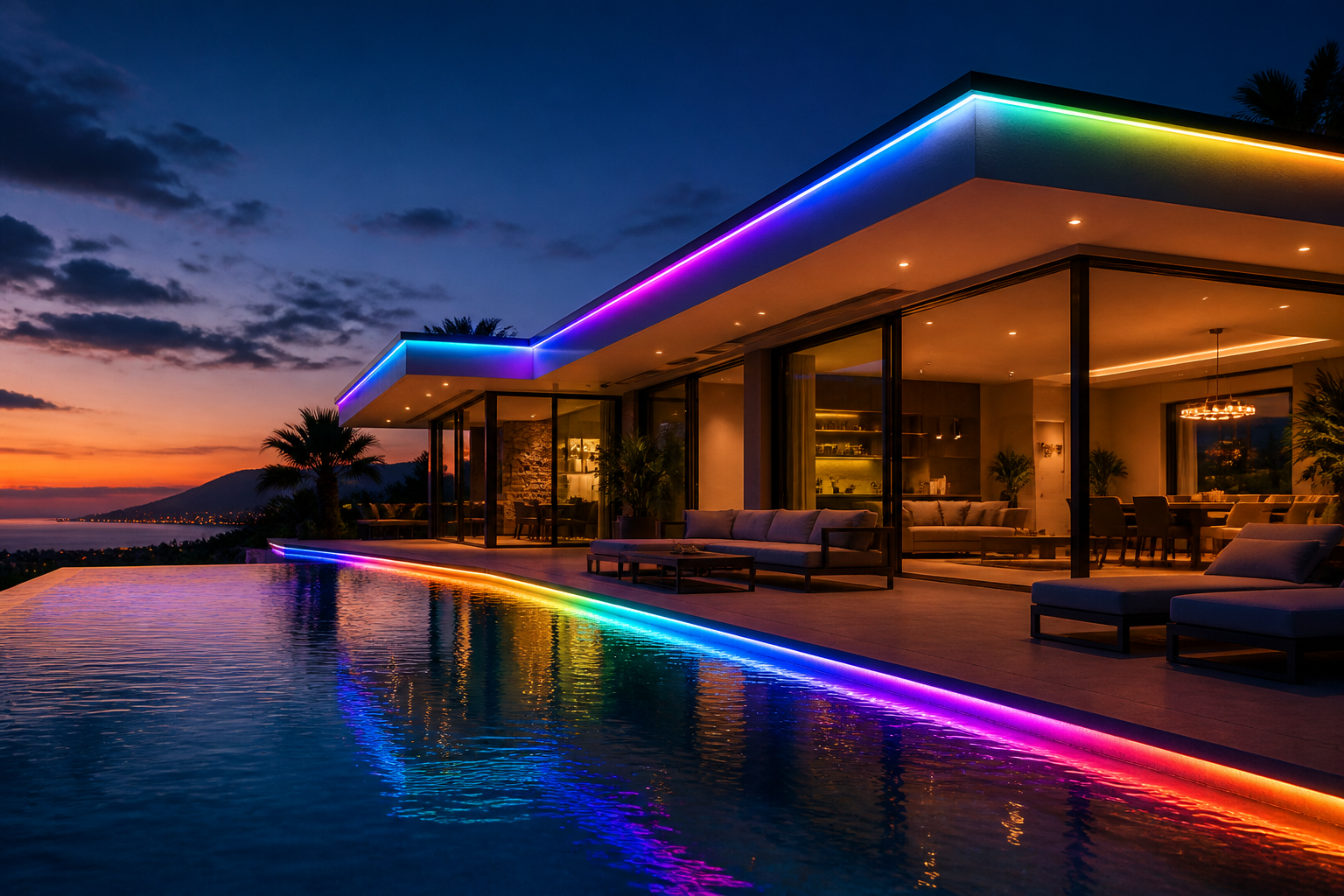
Installing an rgbic led strip transforms any space with dynamic, customizable lighting that responds to your preferences and ambiance needs. Unlike standard LED strips, an addressable rgb led strip offers individual pixel control, allowing each segment to display different colors and effects simultaneously. This advanced lighting technology has become increasingly popular for both residential and commercial applications, from accent lighting to complete architectural illumination systems. Understanding the installation process ensures you maximize the potential of your smart rgb led lighting investment and achieve professional-grade results.
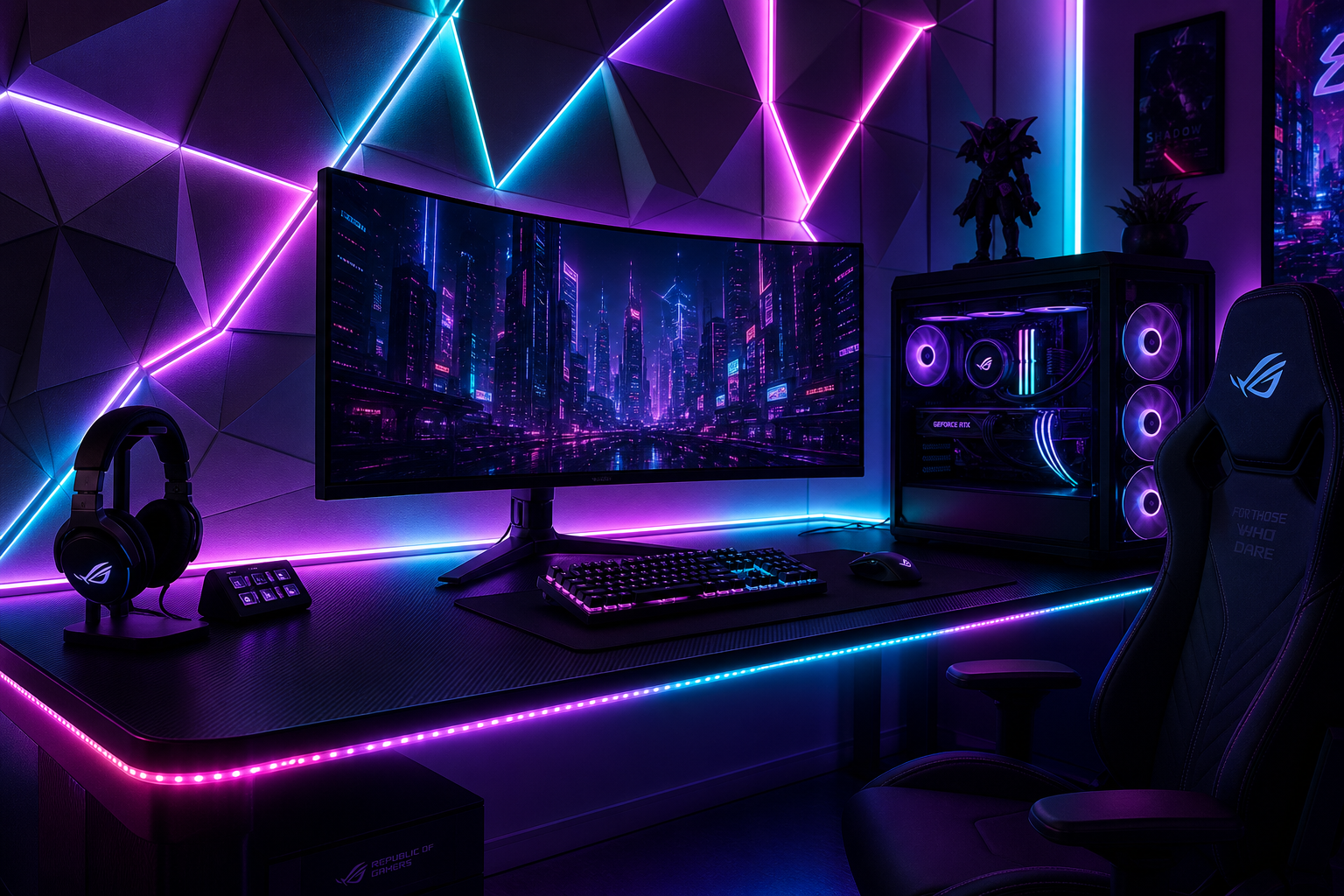
Before beginning your installation, gathering the right materials and understanding your space's requirements is essential for success. A programmable led strip lights system requires careful planning regarding power supply, control connections, and surface preparation. The installation process varies depending on whether you choose outdoor garden installations, indoor accent lighting, or integrated architectural applications. This guide walks you through every stage, from pre-installation assessment to final configuration and testing of your addressable rgb led strip system.
Successful installation of smart rgb led lighting begins with thorough space assessment. Measure the perimeter or specific areas where you plan to place your programmable led strip lights, accounting for corners, obstacles, and architectural features that may affect placement. Consider whether your installation requires outdoor durability with weatherproof ratings or indoor use specifications. Determine the power requirements by calculating total strip length and power consumption per meter, ensuring your power supply can handle the load with adequate capacity for safe operation.
The surface where you mount your rgbic led strip significantly impacts longevity and appearance. Clean the mounting area thoroughly with a dry cloth to remove dust, dirt, and residue that could prevent proper adhesion. For an addressable rgb led strip, smooth surfaces work best, whether aluminum channels, walls, or furniture edges. If installing your smart rgb led lighting system outdoors, ensure the surface can withstand weather exposure and temperature fluctuations. Plan cable routing to controllers and power sources before adhering the strip, avoiding visible runs and potential safety hazards.
Most programmable led strip lights feature self-adhesive backing that bonds directly to clean surfaces. Begin by removing the protective backing in sections as you progress along the installation path, pressing firmly to ensure secure contact between your addressable rgb led strip and the mounting surface. For an rgbic led strip requiring additional support in high-vibration environments or outdoor installations, consider aluminum channels that both protect and enhance the lighting effect. Allow the adhesive to set for several hours before applying power, ensuring maximum bond strength between the strip and substrate.
The control system for your smart rgb led lighting requires proper cable management and connection sequencing. Locate the control pins on your addressable rgb led strip marked as data in, power positive, and ground. Connect the included controller to these pins using the supplied connectors, ensuring correct polarity to avoid damage. For programmable led strip lights systems, route power cables away from high-traffic areas and potential pinch points where damage could occur. Use cable clips or adhesive-backed holders to maintain organized runs that look professional and remain accessible for future adjustments or troubleshooting.
Before full operation, verify all connections are secure and polarity is correct on your rgbic led strip system. Apply power gradually and watch for any unusual sounds, smells, or immediate failures that would indicate installation problems. Test each segment of your addressable rgb led strip individually by cycling through basic color modes using your controller or mobile app. Observe heat generation at connection points, which should remain cool to the touch during operation. For an rgbic led strip in outdoor applications, confirm that all weatherproof seals and connector covers are properly installed before exposing the system to moisture or temperature extremes.
Once your smart rgb led lighting confirms proper function, customize settings through the controller interface or dedicated mobile application. Program dynamic effects, color sequences, and brightness levels that match your intended ambiance and use cases. For programmable led strip lights, establish preset scenes for different times of day or occasions, enabling convenient one-touch activation. Test synchronization features if you've installed multiple addressable rgb led strip sections, ensuring seamless color and effect transitions across your entire installation. Adjust sensitivity settings for music-reactive modes if available, calibrating response levels to your preferred input sources.
An rgbic led strip differs from standard RGB strips through individual pixel addressability, allowing each segment to display unique colors independently. While a traditional addressable rgb led strip requires all pixels to share the same color, an rgbic led strip or smart rgb led lighting system enables pixel-level control for more sophisticated effects and patterns. This advanced functionality makes programmable led strip lights ideal for complex installations requiring dynamic, multi-color displays simultaneously across different sections of the same strip.
Yes, many outdoor-rated rgbic led strip models are designed with weatherproof enclosures and silicone tubing to protect against moisture, UV exposure, and temperature fluctuations. When choosing an addressable rgb led strip for outdoor use, verify the IP rating—IP65 or higher ensures protection against water jets and dust. Smart rgb led lighting systems intended for exterior installation require properly sealed connectors and cable entry points to prevent electrical hazards. Always use outdoor-rated power supplies and controllers, and position cables to facilitate water drainage rather than pooling near connection points.
If your rgbic led strip becomes unresponsive, first verify power supply voltage and cable connections at both the strip and controller ends. Restart both the controller and any associated mobile applications to reset your smart rgb led lighting system's communication protocol. Check for loose data line connections where your programmable led strip lights attach to the controller, as intermittent contact causes responsiveness issues. If problems persist, isolate sections of your addressable rgb led strip to identify whether the failure affects the entire strip or specific segments, helping pinpoint controller versus strip hardware issues.
