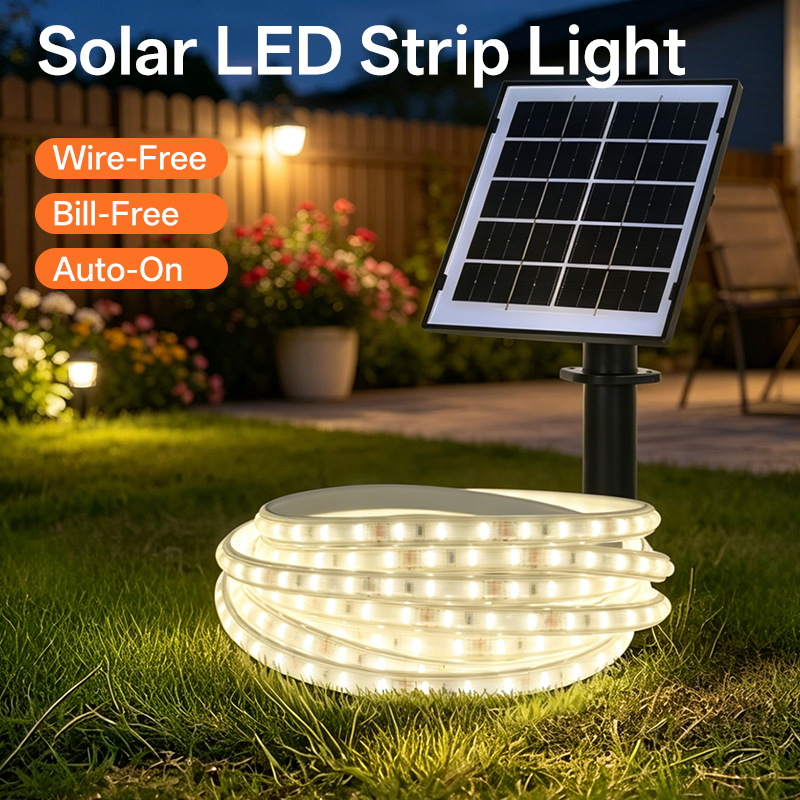
Solar powered LED fixtures have become essential for outdoor illumination, offering energy-efficient and cost-effective lighting solutions for residential and commercial properties. Proper maintenance ensures these systems perform reliably and maximize their operational lifespan. Understanding the key maintenance practices for solar powered LED installations helps property owners avoid premature failures and maintain consistent brightness output across their outdoor spaces.
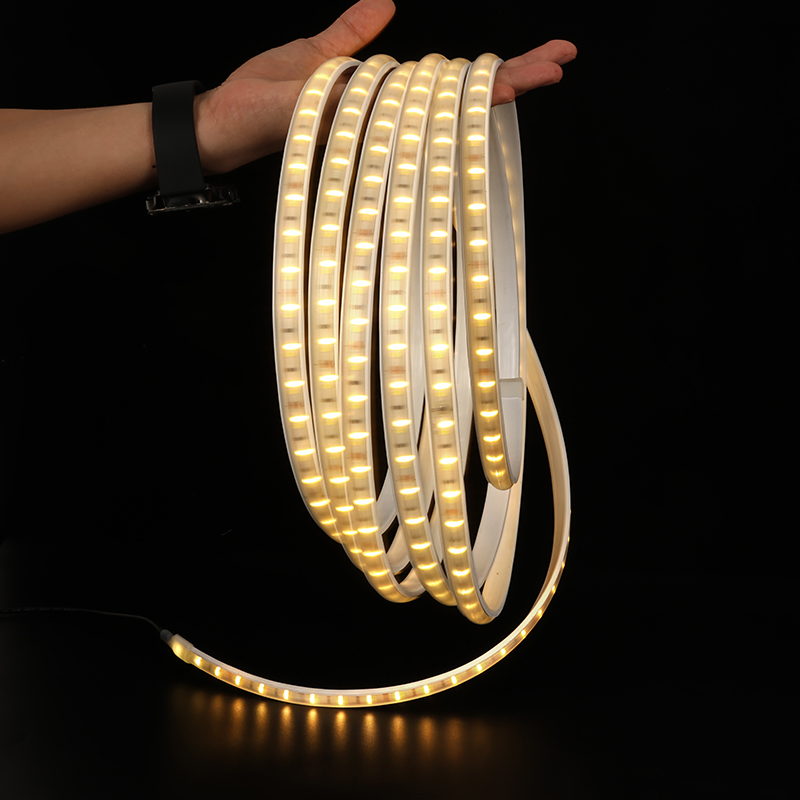
Maintaining solar LED lights requires attention to several critical components, including solar panels, batteries, LED bulbs, and structural elements. Regular inspection and cleaning routines prevent dust accumulation and environmental damage that commonly reduce fixture efficiency. By implementing a systematic maintenance schedule, outdoor solar lighting systems deliver optimal performance throughout their service life, regardless of seasonal weather variations or exposure conditions.
Cleaning and Panel Maintenance
Solar Panel Care for Peak Performance
The solar panel is the heart of any solar LED lights system, converting sunlight into electrical energy for storage and use. Dust, pollen, bird droppings, and environmental debris accumulate on panel surfaces, significantly reducing their ability to capture and convert solar energy. Quarterly cleaning with a soft brush and distilled water maintains optimal charging efficiency, especially in dusty or coastal environments where salt spray can corrode panel surfaces.
Inspect solar panels monthly for visible damage, cracks, or discoloration patterns that indicate internal failures. Position panels at the correct angle toward the sun's path in your geographic location to maximize sunlight exposure throughout the day. For portable solar lamps with adjustable mounting, reorient panels seasonally to compensate for changing sun angles during summer and winter months, ensuring consistent energy generation year-round.
Lens and Fixture Cleaning Protocols
LED fixture lenses accumulate dirt and grime that dims light output even when internal components function properly. Clean outdoor solar lighting fixtures monthly using a soft cloth and mild soap solution, avoiding abrasive scrubbing that scratches plastic or glass surfaces. For transparent protective covers on portable solar lamps, gentle cleaning prevents light diffusion issues that otherwise reduce brightness by up to thirty percent.
Check mounting hardware and fasteners regularly to ensure fixtures remain securely positioned and properly aligned. Loose connections create vibration and stress on internal wiring, potentially damaging delicate LED circuits. Apply weatherproof sealant around cable entries and connection points to prevent moisture infiltration that causes corrosion and electrical failures in solar LED lights systems.
Battery and Electrical System Management
Battery Health Monitoring and Replacement
Rechargeable batteries store energy captured by solar panels during daylight hours and power solar powered LED fixtures throughout the night. Battery capacity degrades over time through natural charge cycles, typically lasting three to five years depending on climate conditions and usage patterns. Monitor battery performance by observing whether outdoor solar lighting maintains consistent brightness throughout evening hours or if light output diminishes earlier than expected.
Replace batteries when solar LED lights fail to achieve full brightness after a clear sunny day or when nighttime illumination duration decreases noticeably. Use replacement batteries that match the original specifications exactly, including voltage, capacity, and connector types, to ensure compatibility with existing solar powered LED circuitry. Store spare batteries in cool, dry conditions away from direct sunlight and extreme temperatures that accelerate degradation.
Electrical Connection and Weatherproofing
Water infiltration represents the primary threat to electrical components in outdoor solar lighting installations. Inspect all wire connections, battery terminals, and junction boxes quarterly for corrosion, green patina, or white crusty deposits indicating moisture exposure and oxidation. Clean corroded connections using a pencil eraser or fine sandpaper, then apply dielectric grease to prevent future oxidation and ensure reliable electrical contact.
Verify that portable solar lamps maintain proper weatherproofing seals around battery compartments and connection points. Test IP rating integrity by spraying fixtures with light water spray and observing for water droplets inside casings or around LED elements. Re-seal any compromised areas with appropriate waterproof adhesive or silicone caulk to protect internal components from rain, fog, and humidity exposure.
Seasonal Maintenance and Long-Term Care
Seasonal Adjustments and Inspections
Solar LED lights require seasonal adaptations to maintain performance as weather patterns, daylight hours, and environmental conditions change throughout the year. Before winter months, clean panels thoroughly and reposition them to capture lower-angle sunlight more effectively, since winter sun follows a lower trajectory across the sky. Increase inspection frequency during fall and spring when seasonal debris, pollen, and vegetation growth most heavily impact solar powered LED system efficiency.
In spring, check outdoor solar lighting fixtures for damage from winter ice, snow load stress, and freeze-thaw cycles that crack plastic housings and create water entry pathways. Inspect mounting brackets and poles for rust, corrosion, or structural weakening that accumulates over multiple winter seasons. Replace any visibly damaged protective covers or lens elements that compromise weather resistance or light distribution quality.
Long-Term Performance Documentation
Maintain maintenance logs documenting inspection dates, cleaning activities, battery replacements, repairs, and performance observations for each solar powered LED fixture. Record ambient temperatures, weather conditions, and light output observations to identify patterns indicating declining performance or emerging component failures. This historical data helps predict when major maintenance or replacement becomes necessary, preventing unexpected system failures during critical seasons.
Schedule professional inspection annually for large installations or portable solar lamps deployed in harsh environmental conditions. Certified technicians identify wear patterns and component degradation not immediately visible during routine homeowner inspections. Consider solar powered LED replacement planning when fixtures approach five to seven years of service, as overall system efficiency naturally declines despite proper maintenance.
FAQ
How often should I clean solar LED lights fixtures?
Clean solar LED lights monthly in standard conditions and bi-weekly in dusty or coastal environments where salt spray and debris accumulate rapidly. More frequent cleaning in high-pollution areas maintains optimal energy capture and brightness output throughout the year. Winter months may require increased cleaning frequency when falling snow and ice cover panels.
What signs indicate a failing battery in portable solar lamps?
Portable solar lamps show battery failure when outdoor solar lighting dims noticeably after sunny days, fails to turn on automatically at dusk, or provides only brief illumination during evening hours. Reduced night-time brightness compared to initial installation performance reliably indicates battery capacity loss. Most rechargeable batteries require replacement every three to five years depending on climate exposure and charge cycles.
Can I repair damaged solar powered LED components myself?
Simple maintenance tasks like cleaning panels and replacing batteries fit within homeowner capabilities for outdoor solar lighting systems. However, internal circuit damage, LED element replacement, and controller repairs typically require professional technical expertise to avoid safety hazards or further damage. Consult manufacturer documentation or contact qualified technicians for complex repairs involving solar powered LED electrical systems.
 EN