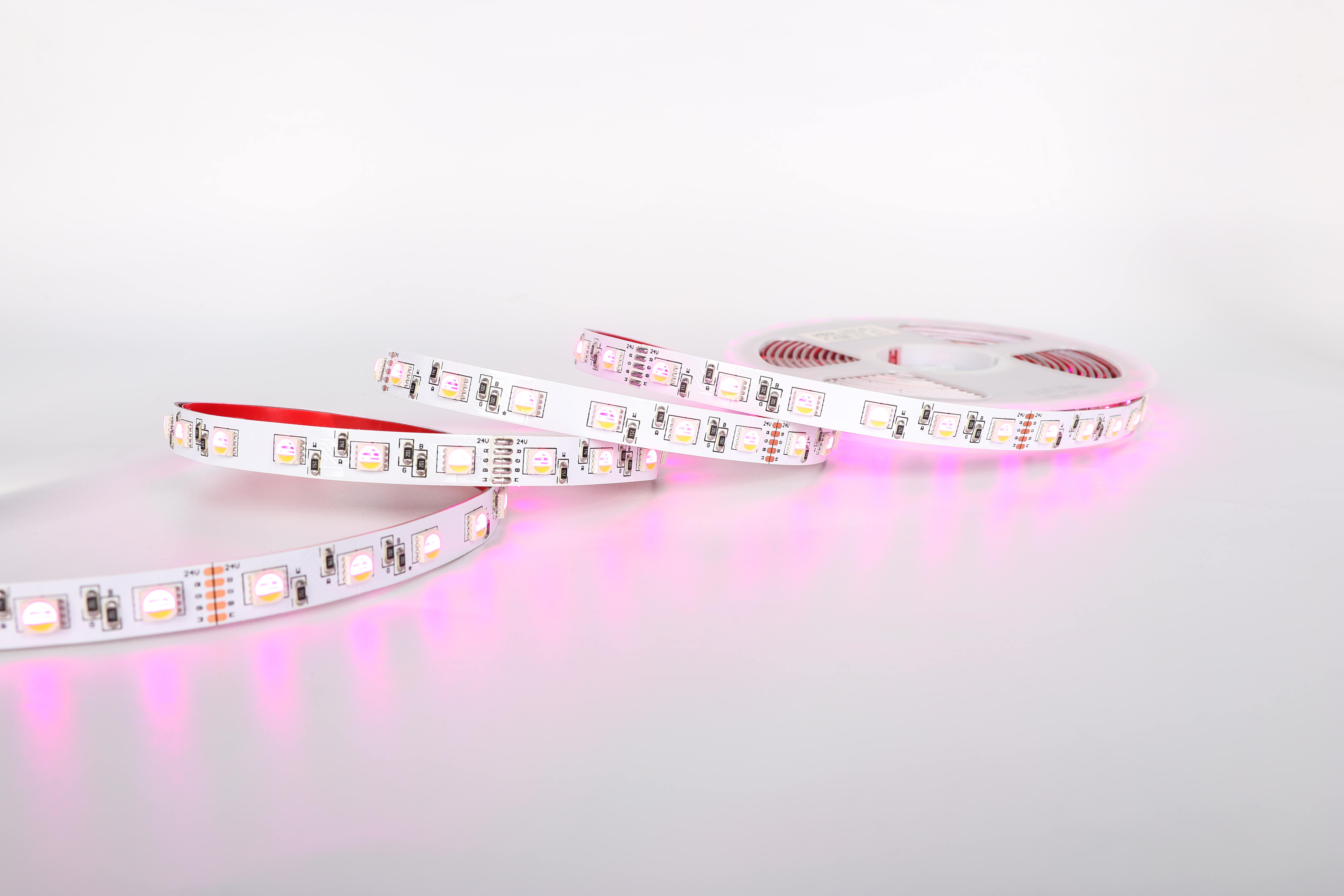
Humid environments present unique challenges for electrical equipment and outdoor installations. Selecting the correct ip rating is essential for ensuring long-term durability, safety, and consistent performance in areas with high moisture exposure. Whether you are deploying LED lighting systems, outdoor fixtures, or industrial equipment near water sources, moisture-prone regions, or coastal locations, understanding the relationship between environmental conditions and protection standards is critical to avoiding costly failures and maintenance issues.
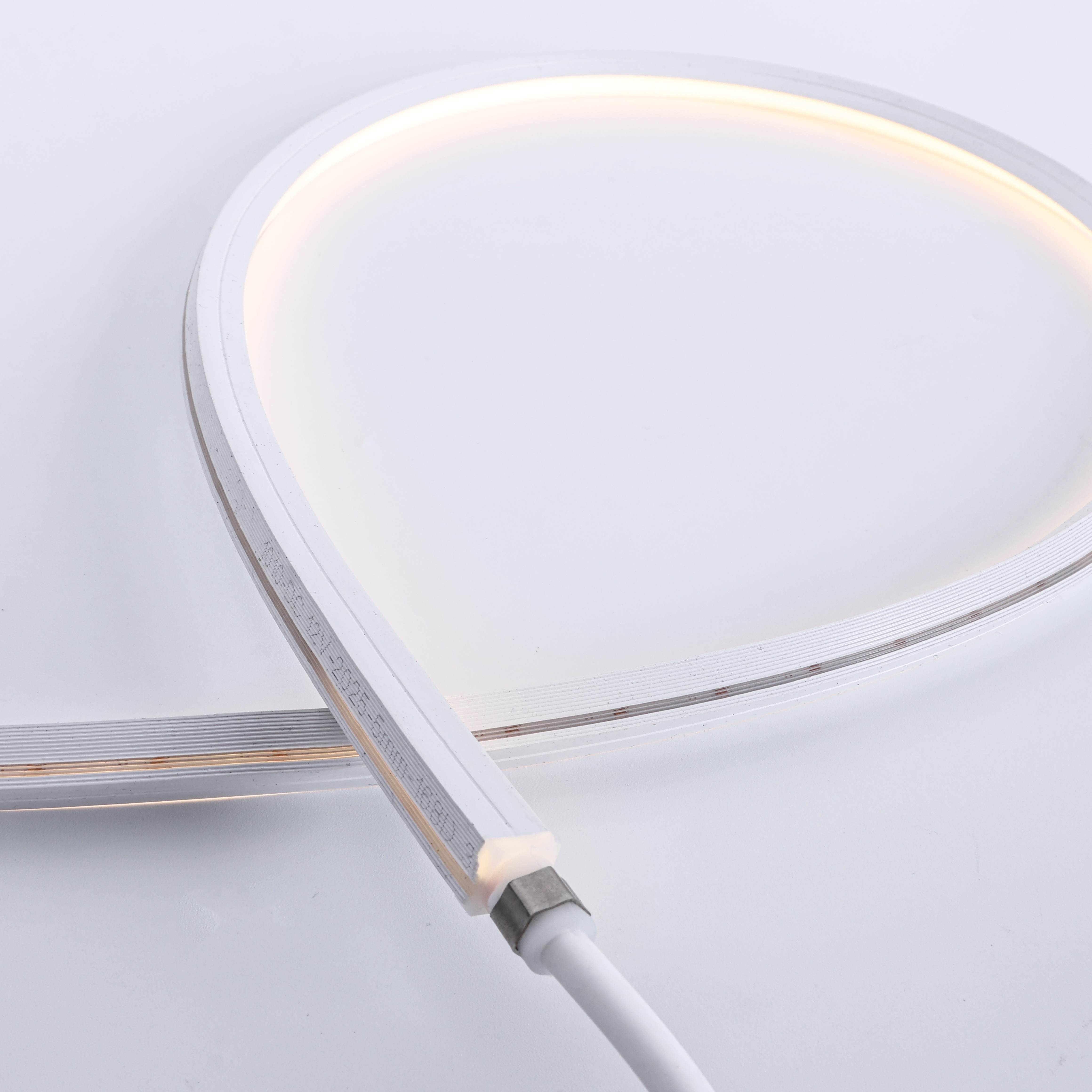
The ingress protection classification system provides a standardized framework for comparing equipment resilience against environmental hazards. This system uses two-digit codes to communicate exactly how well a device resists moisture, dust, and physical impact. For humid areas, the first digit indicates dust protection and the second digit specifies water resistance. Understanding these waterproof dustproof ratings ensures you invest in equipment that truly matches your site conditions rather than over-specifying or under-protecting critical installations.
Understanding IP Code Standards and Classification Systems
The Two-Digit IP Code Structure
Every ingress protection classification begins with the letters 'IP' followed by two digits. The first digit ranges from 0 to 6 and indicates dust protection, while the second digit ranges from 0 to 8 and measures water resistance. A rating of IP68, for example, means complete dust protection and protection against submersion in water beyond 1 meter. In humid areas, the second digit becomes particularly important because moisture exposure is continuous and often unpredictable. Higher second-digit ratings provide stronger water barriers, reducing the risk of internal corrosion and electrical failure.
Reading and Interpreting Ratings for Moisture Exposure
The IP code standards for water protection escalate progressively. IP65 protects against water jets from any direction, making it suitable for spray environments. IP67 adds submersion protection up to 1 meter for 30 minutes, ideal for areas prone to temporary flooding or heavy spray. IP68 provides indefinite submersion protection and is the highest waterproof dustproof ratings designation available for most commercial equipment. When selecting equipment for humid climates, aim for ratings that exceed your minimum requirements by at least one step to account for aging seals and unpredictable moisture events.
Assessing Humidity and Environmental Conditions in Your Location
Identifying Moisture Sources and Risk Factors
Humid areas vary considerably in their specific moisture exposure patterns. Coastal regions experience salt spray combined with high humidity, requiring both superior water protection and corrosion resistance. Tropical locations present constant high humidity with heavy seasonal rainfall. Industrial facilities near water treatment plants, swimming pools, or fountains face continuous spray and splash hazards. Indoor humid environments such as bathrooms, kitchens, or production facilities with steam exposure also demand robust ingress protection classification. Conducting a thorough environmental assessment helps determine whether a basic IP65 rating suffices or whether you need the comprehensive protection of IP67 or IP68 standards.
Seasonal and Operational Variability
Moisture conditions often fluctuate with seasons and operational patterns. An installation that operates near water features during wet months may experience minimal exposure during dry seasons. Equipment in industrial facilities with intermittent steam release faces episodic moisture spikes rather than constant wet conditions. Understanding these fluctuations allows you to select an IP code standards rating that provides reliable performance throughout the entire annual cycle without unnecessary over-specification. Temperature cycling in humid environments also affects seal integrity over time, making it wise to choose ratings with a safety margin above your baseline moisture exposure level.
Practical Selection Criteria and Long-Term Reliability
Matching IP Rating to Equipment Type and Installation Method
Different equipment categories require different waterproof dustproof ratings strategies. LED lighting systems operating in humid outdoor spaces typically perform reliably at IP65 when installed under protective eaves or overhangs, but need IP67 or IP68 when exposed to direct spray or periodic submersion. Electrical connectors and junction boxes in humid areas should carry ratings one level higher than the primary equipment they protect, creating a cascade of protection. Underground installations or those subject to water table fluctuations absolutely demand IP68 rated components. By aligning the ingress protection classification of each system element with its specific exposure profile, you create a cohesive protective strategy that minimizes weak points.
Installation Practices and Maintenance Implications
An IP rating reflects laboratory conditions under ideal installation and manufacturing circumstances. In real-world humid environments, proper installation practices directly impact how well equipment performs against moisture ingress. Ensuring that cable entries use appropriate glands, that enclosure doors seal correctly, and that drainage provisions function properly all extend the effective life of your chosen IP code standards rating. Periodic maintenance in humid climates becomes essential, particularly inspecting seals for degradation and ensuring that ventilation features designed to prevent condensation remain clear and functional. Equipment rated at IP67 or IP68 offers greater tolerance for minor installation imperfections and aging of seals compared to lower ratings, providing practical insurance against environmental challenges.
FAQ
What does IP65 mean compared to IP67 in humid environments?
IP65 protects against water jets from any angle but does not provide submersion protection, making it suitable for overhead spray and splash scenarios. IP67 adds submersion capability up to 1 meter for 30 minutes, offering enhanced protection for equipment in areas with standing water risks or temporary flooding. In humid zones, IP67 provides significantly better security during heavy rain, condensation events, or proximity to water features. The waterproof dustproof ratings difference between these two levels is meaningful: IP65 equipment may fail if submerged even briefly, while IP67 components remain fully operational. Choose IP67 for humid areas where splash combined with potential submersion exists.
Is IP68 necessary for all outdoor humid applications?
IP68 provides indefinite submersion protection and represents the highest standard in ingress protection classification for most commercial equipment. However, not every humid application justifies the cost premium of IP68 systems. If your installation remains consistently above water level, receives only periodic spray, and sits under protective structures, IP65 or IP67 may suffice. IP68 becomes essential for underwater lighting, permanently waterlogged installations, or equipment subject to frequent or prolonged submersion. Assess your actual moisture exposure patterns rather than defaulting to maximum ratings; this approach balances protection with cost-effectiveness while maintaining adequate safety margins.
How do seals and materials affect IP rating performance in humid climates?
The physical materials used in construction directly influence how long an IP code standards rating remains effective. Silicone and EPDM seals resist UV degradation and moisture penetration better than cheaper alternatives in humid environments. Stainless steel hardware and aluminum bodies with corrosion-resistant coatings prevent structural failure even when moisture breaches initial seals. Equipment constructed with hyper-durable enclosure materials and reinforced gasketing maintains its rated protection level far longer than equipment with minimal sealing infrastructure. When selecting equipment for humid areas, inspect material specifications as closely as the IP rating itself; premium materials ensure that the ingress protection classification rating remains valid throughout the installation's operational lifetime despite persistent moisture exposure.
 EN