 EN

how-to-select-led-strip-lights-for-different-spaces, how-to-select-led-strip-lights-for-different-spaces, /technical-insights
EN
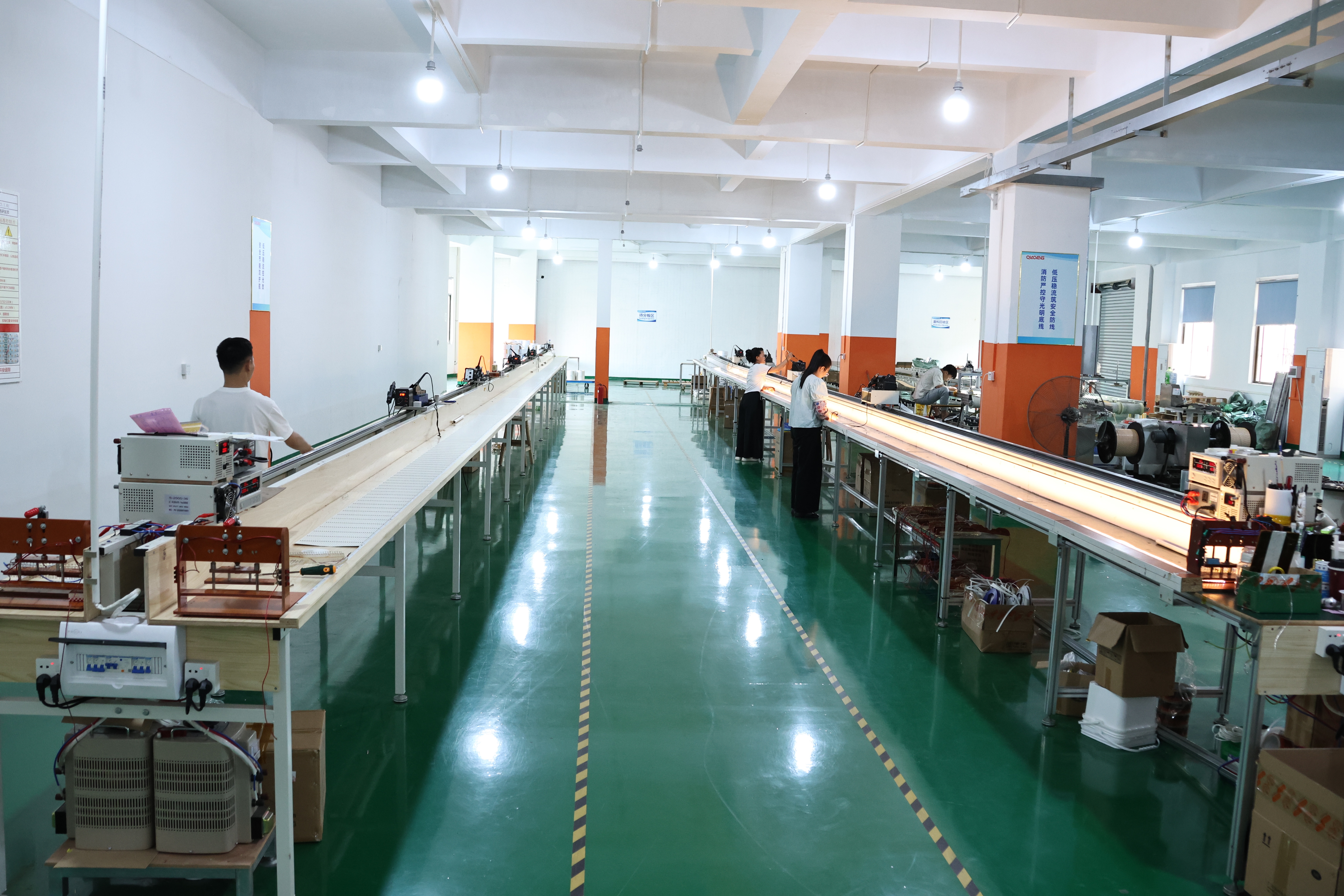
Choosing the right led strip lights requires understanding your specific space, lighting needs, and design goals. Whether you're illuminating a kitchen, bedroom, office, or commercial environment, the selection process involves evaluating brightness levels, color temperatures, installation methods, and power requirements. Modern flexible lighting solutions offer unprecedented versatility, allowing you to customize lighting to match your aesthetic preferences while delivering functional illumination where you need it most.
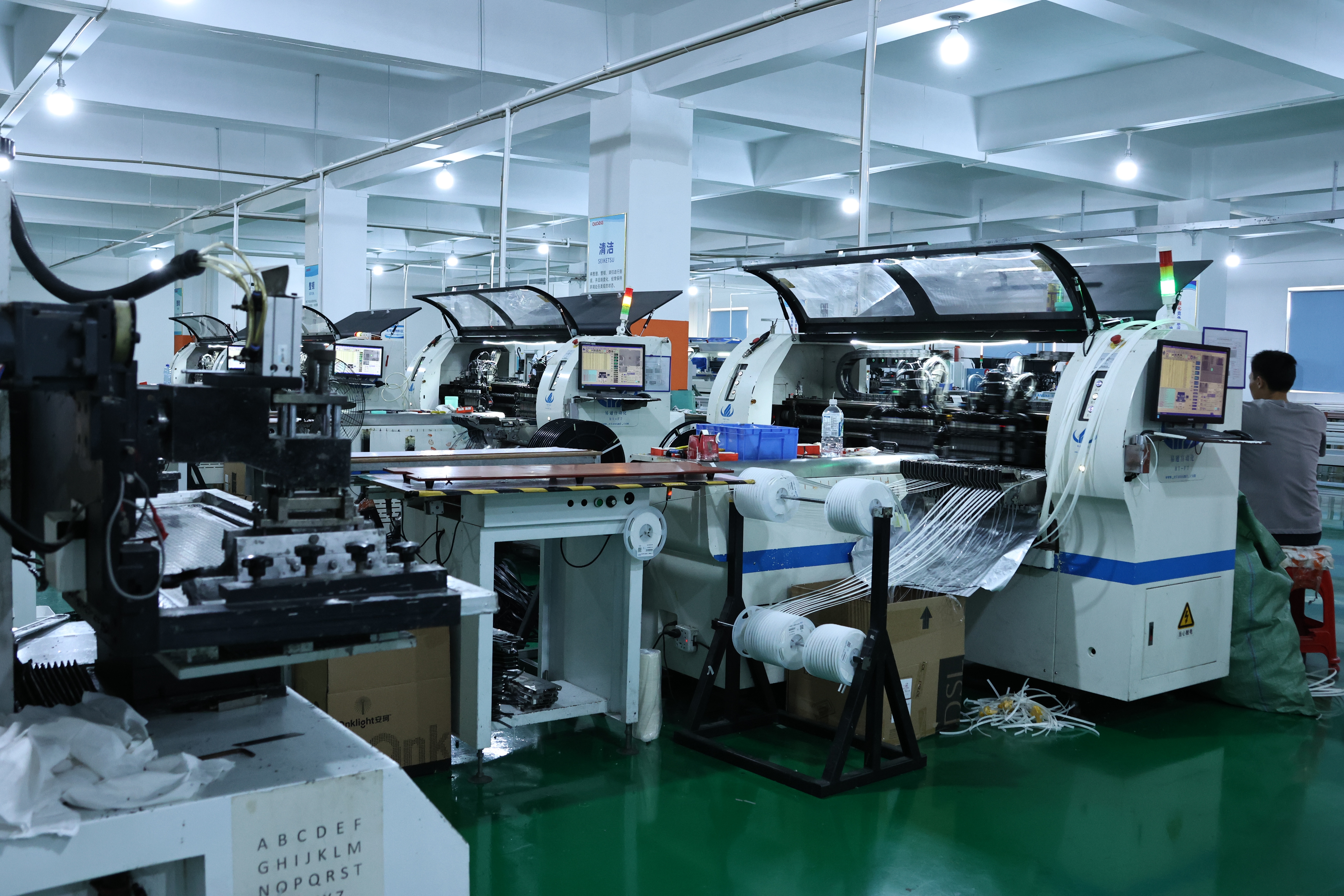
The versatility of adhesive tape lighting and color changing light strips has transformed how people approach interior design and task lighting. Unlike traditional fixed fixtures, these innovative solutions adapt to your space rather than requiring your space to adapt to them. Understanding the key factors involved in selecting the right product ensures you'll achieve both the visual impact and functional performance your space demands.
Different spaces demand different lighting strategies. A kitchen workspace requires bright, focused illumination for food preparation and cooking safety, while a bedroom benefits from softer, more ambient lighting that promotes relaxation. Living rooms often need flexible lighting solutions that transition between entertaining, dining, and relaxation modes. Before selecting led strip lights, evaluate the room's natural light exposure, existing fixtures, wall colors, and intended use throughout the day. Consider whether you need constant illumination, accent lighting, or adjustable options that change based on activity or time of day.
Brightness levels, measured in lumens, directly impact how well your space functions. Task areas like kitchens and home offices require higher lumen output, typically 300 to 500 lumens per linear foot depending on application. Ambient and accent lighting can operate at lower levels. Color temperature, measured in Kelvin, affects mood and functionality. Warm white light (2700K to 3000K) creates cozy, inviting atmospheres ideal for living spaces. Cool white light (4000K to 5000K) enhances focus and clarity, making it perfect for workspaces. Some color changing light strips offer adjustable color temperature, providing maximum flexibility for different times of day or activities.
Adhesive tape lighting represents the most accessible installation method for most spaces. These self-adhesive strips mount directly to clean, dry surfaces without requiring professional installation or permanent modifications. Adhesive tape lighting works particularly well for under-cabinet illumination, shelving, architectural details, and decorative accents. Before installation, clean surfaces thoroughly to ensure proper adhesion and longevity. Consider whether your space has moisture exposure, extreme temperature fluctuations, or high vibration environments, as these factors may affect adhesive performance over time. Some installations benefit from additional mounting brackets or clips for reinforcement, especially in high-traffic areas.
Color changing light strips add dynamic capability to flexible lighting solutions, enabling you to transform your space's ambiance instantly. These strips typically feature RGB or tunable white technology, allowing millions of color combinations or adjustable color temperatures. Smart-enabled color changing light strips integrate with voice assistants and smartphone apps, letting you control lighting remotely, set schedules, or automate responses to environmental conditions. Evaluate whether smart features align with your needs and existing home automation ecosystem. Basic color changing light strips offer excellent value for accent lighting and entertainment spaces, while smart-capable units justify higher investment in areas where convenience and automation enhance daily functionality.
Power requirements vary significantly among different led strip lights models. Most quality strips operate at 12V or 24V DC, with 24V systems offering better performance over longer runs due to reduced voltage drop. Calculate your total strip length and power consumption to determine the appropriate power supply capacity. Undersizing power supplies results in dimming at strip ends and potential equipment damage. For installations exceeding 16 feet, consider multiple power supplies or specialized drivers designed for extended runs. Professional installation may be necessary for complex layouts, high-power systems, or installations requiring custom wiring and integration with existing electrical infrastructure.
Environmental factors significantly influence led strip lights longevity and performance. Moisture-resistant or waterproof ratings matter for kitchens, bathrooms, and outdoor spaces. Look for IP ratings indicating dust and water resistance levels appropriate for your environment. Temperature range specifications ensure reliable operation in your climate conditions. Quality flexible lighting solutions feature robust solder joints, quality LED chips, and reliable power circuits designed for 25,000 to 50,000 hours of operation. Evaluate warranty coverage and manufacturer support to protect your investment. Proper ventilation around power supplies prevents heat accumulation that could shorten component lifespan. Regular cleaning removes dust and debris that compromise light output and heat dissipation.
Kitchen and workspace installations typically need 300 to 500 lumens per linear foot for adequate task lighting. Bathroom vanity lighting requires 50 to 100 lumens per linear foot for grooming tasks. Accent and ambient lighting in living areas functions well at 10 to 50 lumens per linear foot. Consider your specific tasks, existing ambient light, and personal preferences when determining adequate brightness levels for your flexible lighting solutions and color changing light strips.
Most quality adhesive tape lighting can be carefully removed when you're ready for a change. Heat the adhesive gently with a hair dryer to soften it, then slowly peel the strip away at a low angle. Stubborn residue responds well to rubbing alcohol or specialized adhesive removal products. Test removal methods on inconspicuous areas first. Some surfaces like painted drywall may sustain damage; in these cases, mounting brackets offer better protection than direct adhesive application. Always prioritize surface preservation when selecting installation methods for your flexible lighting solutions.
RGB color changing light strips produce millions of colors by mixing red, green, and blue light, making them ideal for entertainment, accent, and decorative applications. Tunable white color changing light strips adjust color temperature from warm to cool white, maintaining full brightness while shifting mood and functionality. Tunable white better serves task lighting and living spaces where you need practical illumination adjustments. Some premium systems combine both technologies, offering maximum flexibility for both color and temperature adjustment across your entire led strip lights installation.
