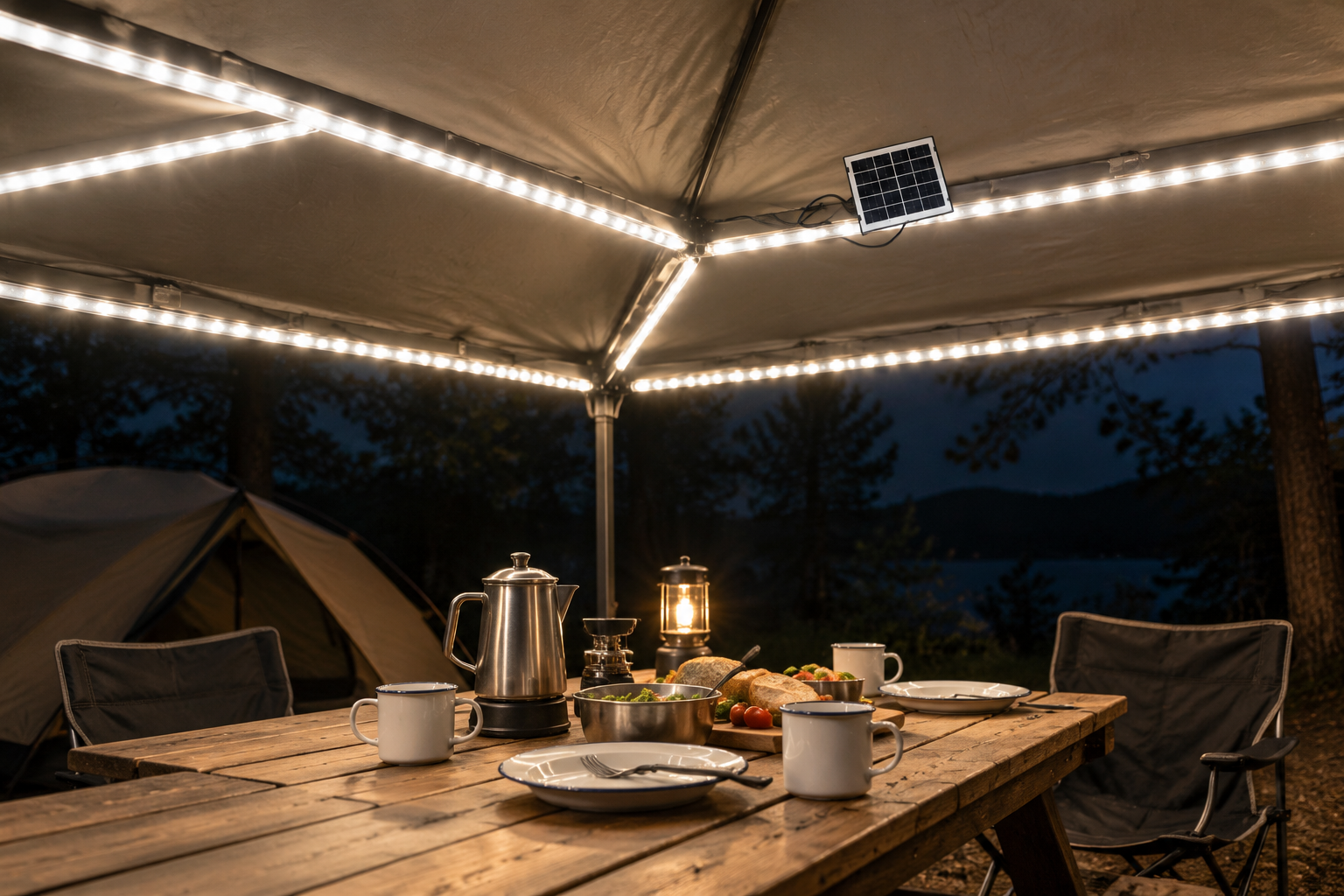
Solar powered LED technology represents a transformative approach to outdoor illumination, combining renewable energy with efficient lighting solutions. As energy costs rise and environmental concerns intensify, homeowners and businesses increasingly turn to solar powered led systems to reduce their carbon footprint while maintaining reliable outdoor lighting. This technology delivers significant advantages over traditional electrical lighting, making it an intelligent investment for anyone seeking sustainable illumination options.
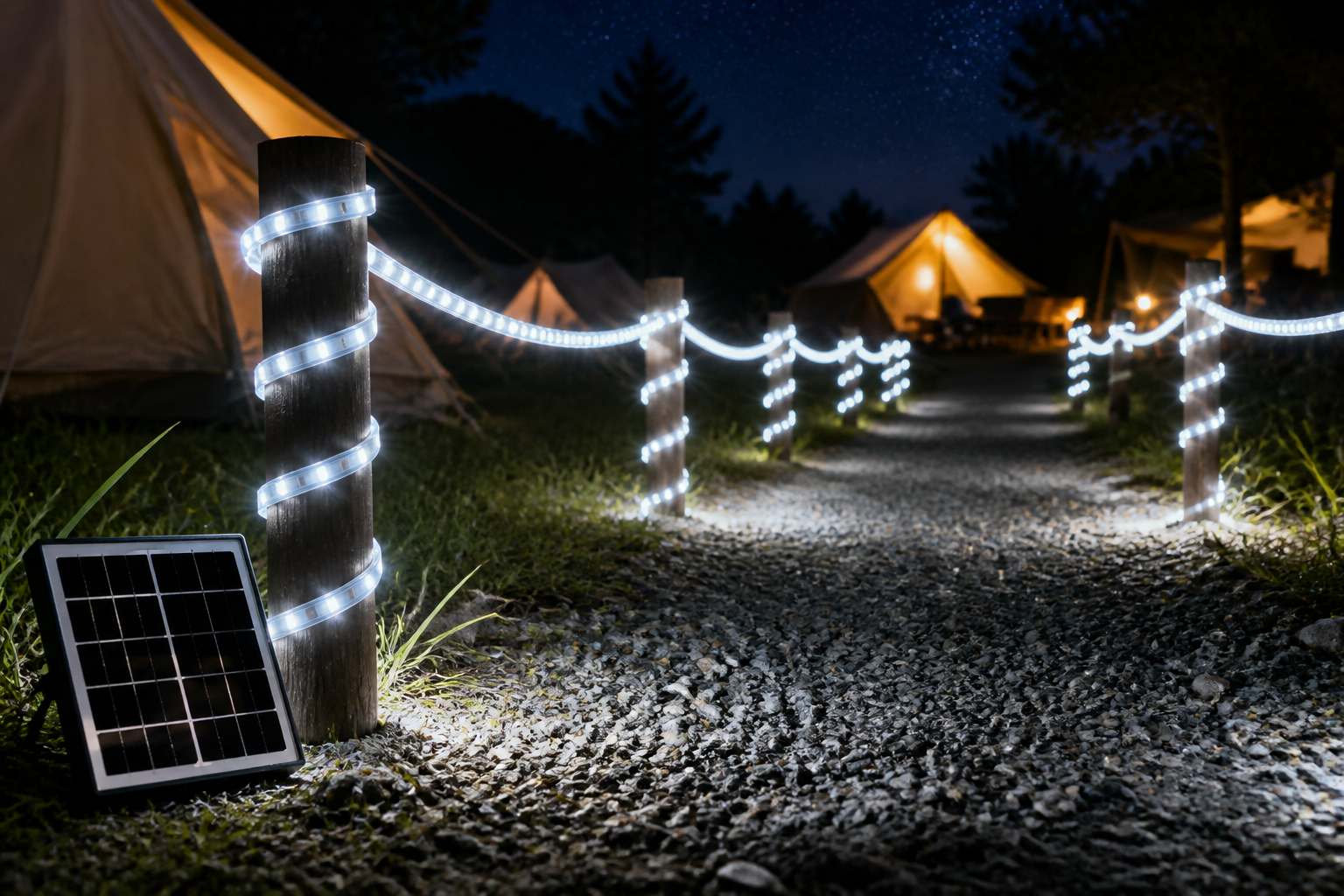
The integration of solar LED lights into outdoor spaces has fundamentally changed how property owners approach landscape and garden illumination. Whether for residential patios, commercial properties, or remote locations without electrical infrastructure, solar powered led systems offer practical solutions that eliminate monthly electricity bills while providing dependable lighting performance throughout the year.
Energy Efficiency and Cost Savings
Elimination of Operational Costs
Solar LED lights operate entirely on renewable energy harvested directly from the sun, completely eliminating the need for grid electricity or expensive power connections. Once installed, outdoor solar lighting requires no ongoing fuel expenses or utility payments, providing dramatic cost reductions compared to conventional lighting systems. This financial advantage compounds over time, making solar powered led installations remarkably cost-effective for long-term use.
Reduced Energy Consumption
Solar LED lights consume minimal electrical power during operation, as LEDs are inherently more efficient than incandescent or halogen bulbs. The combination of solar energy generation and LED technology creates a synergistic effect that maximizes output while minimizing waste. Outdoor solar lighting systems can operate continuously throughout the night using only the energy stored in their daytime solar collection, delivering exceptional efficiency that traditional outdoor lighting cannot match.
Environmental and Sustainability Advantages
Carbon Footprint Reduction
By switching to solar LED lights, property owners directly reduce their reliance on fossil fuel-based electricity generation. Portable solar lamps eliminate greenhouse gas emissions associated with conventional power sources, contributing meaningfully to environmental conservation efforts. This shift toward renewable energy adoption supports climate action goals while allowing businesses and homeowners to demonstrate genuine environmental commitment.
Sustainable Long-Term Impact
Solar powered led systems represent truly sustainable lighting solutions with minimal environmental impact throughout their lifecycle. Unlike traditional outdoor solar lighting that may require frequent bulb replacements and maintenance, solar LED technology operates reliably for years with minimal intervention. Portable solar lamps manufactured with quality components provide decades of service, reducing waste generation and resource consumption compared to conventional alternatives.
Practical Installation and Flexibility
Independence from Electrical Infrastructure
Solar LED lights require no trenching, wiring, or connection to electrical grids, dramatically simplifying installation across diverse locations. Outdoor solar lighting can be deployed in remote areas, gardens, pathways, and spaces where running electrical lines would be prohibitively expensive or technically impractical. This independence from infrastructure requirements makes portable solar lamps ideal for temporary or permanent lighting solutions in virtually any outdoor environment.
Adaptability and Scalability
Property owners can implement solar powered led systems incrementally, adding units as budget allows or expanding coverage gradually. Outdoor solar lighting installations scale easily from single accent lights to comprehensive landscape illumination systems. Portable solar lamps offer ultimate flexibility, enabling users to reposition lighting elements seasonally or as landscape designs evolve, providing adaptability that hardwired electrical systems cannot offer.
Safety and Low-Voltage Operation Benefits
Safety represents a paramount consideration when planning exterior illumination, and solar powered led systems deliver clear security advantages over conventional line-voltage lighting. Operating on low-voltage direct current—typically 12V or 24V—outdoor solar lighting eliminates the risk of severe electrical shock, wiring fires, and short circuits during heavy rain or severe weather events. This inherently safe low-voltage design makes solar LED lights ideal for residential landscapes, children's play areas, commercial walkways, and public parks where water exposure and human contact are frequent.
Traditional 120V or 230V outdoor lighting requires deep cable trenching, conduit protection, and specialized ground fault circuit interrupters to prevent dangerous current leakage. In contrast, portable solar lamps and integrated solar lighting arrays contain localized power generation and battery storage within sealed enclosures. If physical damage occurs to the fixture, there is no high-voltage risk to maintenance personnel or visitors. For commercial facility managers and municipal planners, adopting solar powered led infrastructure reduces liability concerns while providing safe, reliable illumination for employees and the public.
FAQ
How long do solar LED lights operate on a single charge?
Most quality solar LED lights operate for 8 to 12 hours on a full charge, depending on battery capacity and seasonal sunlight availability. Outdoor solar lighting performance varies by latitude, weather patterns, and local climate conditions, with longer operating periods in sunny regions and shorter durations in areas with limited daylight. Portable solar lamps typically reach peak performance during summer months when solar charging potential is highest.
What maintenance requirements do solar powered LED systems demand?
Solar powered led systems require minimal maintenance beyond occasional cleaning of solar panels to remove dust and debris that may reduce charging efficiency. Outdoor solar lighting typically needs no bulb replacements, as LEDs last 25,000 to 50,000 hours, and batteries generally require replacement only after 3 to 5 years of regular use. Portable solar lamps manufactured from durable materials withstand weather exposure with occasional inspections to ensure proper function.
Are solar LED lights suitable for all climates and geographic locations?
Solar LED lights perform effectively in most climates, though output may be reduced in regions with extended cloud cover or minimal sunlight during winter months. Outdoor solar lighting systems adapt well to various geographic locations, with design adjustments possible for areas with challenging weather conditions. Portable solar lamps continue operating reliably even in cooler climates, though users should expect optimal performance during seasons with abundant solar radiation and longer daylight hours.
 EN