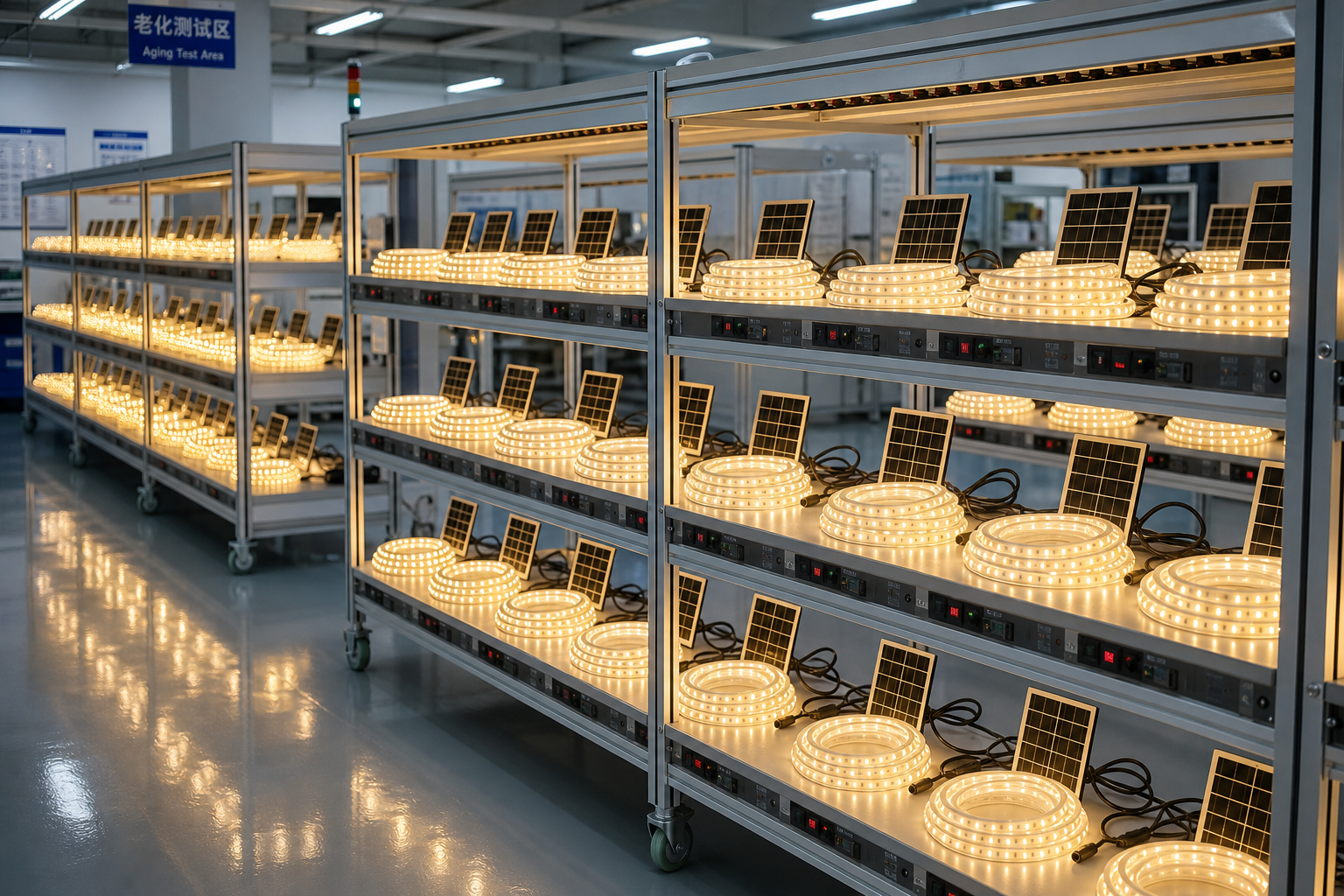
Solar powered LED lights represent a transformative approach to outdoor illumination, combining renewable energy technology with efficient lighting design. These innovative systems capture sunlight during the day through integrated photovoltaic panels and convert it into electrical energy, which is then stored in built-in rechargeable batteries. When darkness falls, the stored energy powers high-efficiency LED bulbs, providing reliable illumination without requiring connection to traditional electrical grids or ongoing energy costs. Understanding what solar powered led technology can offer is essential for anyone considering sustainable outdoor lighting solutions.
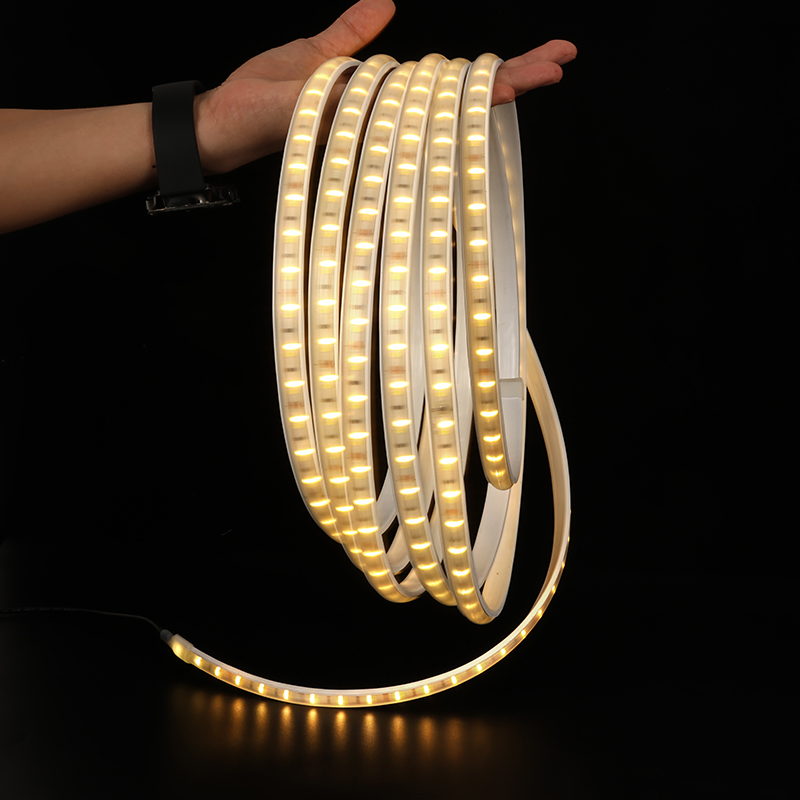
The technology behind solar LED lights has evolved significantly over the past decade, making these systems increasingly accessible and practical for residential and commercial applications. Modern solar LED lights integrate advanced materials, smart charge controllers, and motion-sensing capabilities that enhance their effectiveness and user convenience. Whether you are illuminating a garden pathway, securing an outdoor workspace, or enhancing a commercial property, solar LED lights provide a cost-effective alternative that reduces environmental impact while eliminating electricity expenses associated with conventional outdoor lighting systems.
Core Components and Design of Solar LED Lights
Photovoltaic Panels and Energy Capture
The photovoltaic panel is the heart of any solar LED lights system, responsible for capturing sunlight and converting it into usable electrical energy. These panels contain silicon-based cells that generate direct current electricity when exposed to solar radiation, regardless of whether the sky is completely clear or partially cloudy. Higher-quality solar LED lights incorporate panels with greater surface area and improved light absorption efficiency, enabling them to generate sufficient power even in regions with moderate sunlight. The panel's angle and orientation significantly influence energy collection rates, with south-facing installations in the Northern Hemisphere typically producing optimal results.
Battery Storage and Charge Controllers
Rechargeable lithium-ion or lead-acid batteries integrated into solar LED lights store the energy captured during daylight hours for use after sunset. A sophisticated charge controller regulates the flow of electricity between the photovoltaic panel, battery, and LED fixture, protecting the battery from overcharging and ensuring safe operation throughout the system's lifespan. Many modern outdoor solar lighting designs include intelligent charge controllers that adjust charging rates based on ambient light levels and battery state, optimizing energy efficiency and extending overall system longevity. This automation makes portable solar lamps remarkably user-friendly, requiring no manual intervention or complex programming.
Functionality and Lighting Performance
LED Efficiency and Light Output
Light-emitting diodes used in solar LED lights consume significantly less energy than incandescent or fluorescent bulbs while producing equivalent or superior brightness levels. A typical outdoor solar lighting fixture delivers between 100 and 800 lumens depending on its size, application, and design specifications. The color temperature of solar LED lights typically ranges from warm white (2700K) to cool white (6000K), allowing users to select illumination that matches their aesthetic preferences and functional requirements. Premium solar LED lights employ multiple LED chips configured in arrays, enabling brighter output and more uniform light distribution across the intended area.
Operational Features and Smart Technology
Modern portable solar lamps and garden-mounted solar LED lights increasingly incorporate motion sensors, dusk-to-dawn automatic switching, and adjustable brightness settings that enhance functionality and energy conservation. Motion-activated configurations prove particularly valuable for security applications, activating only when movement is detected and thereby extending battery life between charging cycles. Some advanced models feature remote controls or smartphone connectivity, allowing users to customize lighting schedules, adjust intensity levels, and monitor battery status from a distance. These intelligent features transform solar LED lights from simple passive illumination into responsive systems that adapt to user needs and environmental conditions.
Applications and Installation Advantages
Residential and Garden Applications
Homeowners widely adopt solar LED lights for pathway illumination, accent lighting around garden features, and security lighting around property perimeters. Portable solar lamps can be repositioned seasonally or as landscape designs evolve, providing flexibility that permanent electrical installations cannot match. Deck lighting, fence-top illuminators, and floating pool lights represent popular residential applications where solar LED lights eliminate the need for trenching electrical cables or hiring licensed electricians. This accessibility makes garden solar lighting a practical choice for properties of any size, from small urban balconies to expansive rural estates.
Commercial and Institutional Use
Commercial properties, industrial facilities, and institutional campuses increasingly implement outdoor solar lighting systems to reduce operational expenses and demonstrate environmental commitment. Parking lot illumination, warehouse perimeter lighting, and driveway security markers all benefit from the installation simplicity and zero-operational-cost advantages of solar LED lights technology. Many municipalities have adopted solar LED lights for street lighting, pathway illumination in public parks, and emergency waypoint markers, recognizing both the fiscal benefits and reduced carbon footprint associated with these systems. The scalability of solar LED lights makes them suitable for small standalone fixtures through comprehensive lighting networks covering multiple acres.
FAQ
How long do solar LED lights typically last before requiring replacement?
Quality solar LED lights generally provide 25,000 to 50,000 hours of operation from the LED component itself, translating to seven to fifteen years of typical use. The rechargeable battery typically requires replacement every three to five years as its capacity gradually diminishes with repeated charge cycles. Photovoltaic panels remain functional for twenty years or longer when properly maintained, making them often the most durable component in the system. Regular cleaning of panels and storage of batteries during extended non-use periods significantly extends the overall lifespan of your outdoor solar lighting investment.
Can portable solar lamps provide sufficient brightness for security and safety purposes?
Modern portable solar lamps and motion-activated solar LED lights deliver ample brightness for security applications, with many models producing 500 to 1200 lumens when fully charged. Motion-sensing varieties prove particularly effective for deterring unauthorized access, as their sudden illumination alerts property owners and creates an inhospitable environment for potential intruders. For maximum security effectiveness, positioning multiple solar LED lights to eliminate shadows and cover vulnerable entry points is recommended. Combining solar LED lights with other security measures creates a comprehensive outdoor safety strategy without relying on traditional electrical infrastructure.
Do solar LED lights work effectively in regions with limited sunlight or during winter months?
Solar LED lights function in regions with limited direct sunlight, though their performance diminishes compared to installations in sunnier locations. Modern panels capture diffuse light from cloudy skies, and higher-capacity battery systems can store sufficient energy from shorter daylight periods to operate through entire nights. In extremely limited-light environments, selecting premium solar LED lights with larger panel areas and higher-capacity batteries becomes essential. Winter operation is feasible in most climates, though users should expect reduced brightness output and shortened operating hours compared to summer performance levels.
 EN