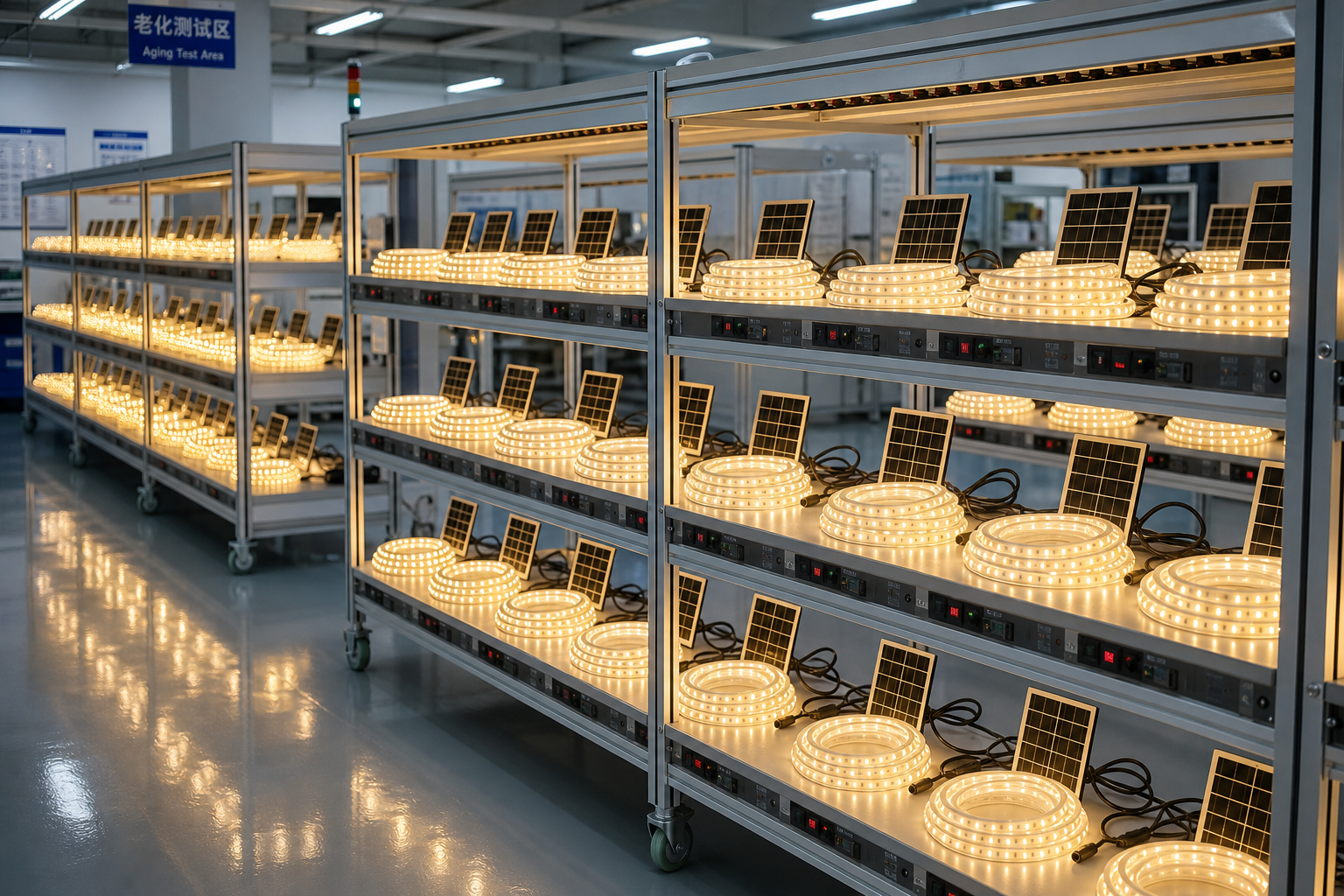
Solar powered LED technology represents a transformative shift in how businesses and homeowners approach outdoor illumination and energy management. The combination of renewable solar energy with efficient LED technology delivers measurable advantages that extend far beyond basic lighting functionality. Understanding the benefits of solar powered led systems helps organizations make informed decisions about their lighting infrastructure and environmental commitments.

The integration of solar LED lights into residential, commercial, and industrial applications creates a sustainable framework for long-term cost reduction and environmental stewardship. Solar LED lights convert sunlight directly into electrical power through photovoltaic panels, eliminating dependence on grid-supplied electricity for outdoor lighting needs. This independence from conventional power sources opens new possibilities for project flexibility, geographic installation freedom, and operational resilience.
Energy Efficiency and Cost Savings
Dramatic Reduction in Operating Expenses
One of the most compelling benefits of solar powered LED systems is the substantial reduction in energy consumption and associated utility costs. Outdoor solar lighting requires no connection to electrical grid infrastructure, which eliminates monthly electricity charges for outdoor illumination entirely. Businesses operating multiple outdoor solar lighting installations across properties, parking areas, or grounds experience cumulative savings that compound significantly over time.
LED technology itself delivers approximately 70 to 80 percent greater energy efficiency compared to traditional incandescent or halogen lighting solutions. When paired with solar collection systems, this efficiency translates into extended operational hours on stored solar energy, reducing the overall system footprint and battery capacity requirements. Portable solar lamps demonstrate this principle clearly, as a single day of sunlight exposure provides multiple hours of reliable nighttime illumination without external power input.
Minimal Maintenance Investment
Solar LED lights present significantly lower maintenance demands than conventional outdoor lighting infrastructure. Traditional electrical systems require regular inspection, wiring maintenance, potential fixture replacement, and professional electrical service calls. In contrast, outdoor solar lighting systems typically require only periodic panel cleaning to maintain optimal sunlight absorption and occasional battery inspection. This simplified maintenance profile reduces ongoing labor costs and extends total system lifespan effectively.
Environmental Impact and Sustainability
Zero Direct Carbon Emissions
Renewable energy adoption through solar LED lights directly supports organizational sustainability goals and environmental responsibility commitments. Solar powered led installations eliminate greenhouse gas emissions that would otherwise result from grid electricity consumption for outdoor illumination. Organizations seeking to demonstrate environmental stewardship to stakeholders, customers, and regulators find solar LED lights to be a tangible, measurable contribution to carbon reduction objectives.
The environmental benefit multiplies across large-scale implementations, such as outdoor solar lighting for parking facilities, pathway systems, or site perimeter illumination. A single outdoor solar lighting installation avoiding grid electricity for extended hours daily generates meaningful carbon offset over its operational lifespan. Portable solar lamps extend this advantage to temporary installations, emergency lighting, and remote locations where conventional grid power deployment would be impractical or environmentally disruptive.
Sustainable Resource Management
Solar LED lights represent closed-loop energy systems that rely on infinitely renewable sunlight rather than depleting fossil fuel reserves. This alignment with sustainable resource management principles appeals to environmentally conscious organizations, municipalities, and industrial facilities seeking to reduce their ecological footprint. Solar LED lights also support circular economy principles by reducing long-term material waste associated with frequent fixture replacement and electrical infrastructure maintenance.
Installation Flexibility and Operational Resilience
Geographic Independence and Rapid Deployment
Solar LED lights eliminate geographical constraints imposed by electrical grid infrastructure, enabling lighting installation in previously inaccessible or unserved locations. Remote properties, rural industrial sites, and temporary project areas benefit dramatically from this installation flexibility. Portable solar lamps offer additional versatility for applications requiring mobile illumination solutions, emergency lighting deployment, or seasonal installations that justify neither permanent electrical infrastructure nor ongoing utility expenses.
The rapid deployment capability of outdoor solar lighting systems reduces project timelines and installation complexity compared to conventional electrical lighting infrastructure. Site preparation requirements are minimal, permitting processes typically involve fewer regulatory considerations, and installation crews require no high-voltage electrical expertise. This streamlined deployment profile particularly advantages organizations managing multiple simultaneous projects or responding to time-sensitive lighting requirements across various geographic locations.
Operational Continuity During Power Disruptions
Solar powered led systems continue functioning independently during grid power outages, ensuring continuous outdoor illumination for safety, security, and operational continuity. This resilience proves invaluable for facilities requiring uninterrupted lighting during emergencies, security incidents, or weather-related power disruptions. Battery-equipped solar LED lights maintain operational capacity through multiple consecutive cloudy days, providing reliable contingency lighting when conventional grid-dependent systems fail.
FAQ
How much money can organizations save annually by installing outdoor solar lighting?
Annual savings depend on current electricity rates, lighting duration, installation scale, and system efficiency. Typical facilities replacing conventional outdoor lighting with solar LED lights report 50 to 100 percent reduction in outdoor lighting electricity costs, translating to savings ranging from several hundred to tens of thousands of dollars annually depending on installation size and local utility rates.
What is the typical lifespan of solar LED lights compared to traditional outdoor lighting?
Solar LED lights typically function for 20 to 30 years or longer, with LED components lasting 50,000 to 100,000 hours of operation. Battery components may require replacement every 5 to 10 years depending on environmental conditions and discharge cycles. This extended lifespan substantially exceeds traditional incandescent lighting lifespans of 1,000 to 5,000 hours, delivering superior long-term value and reduced replacement frequency.
Can portable solar lamps provide sufficient illumination for industrial work sites and outdoor facilities?
Modern portable solar lamps deliver sufficient brightness for most outdoor applications including pathway illumination, general facility lighting, and security purposes. However, applications requiring extremely bright task lighting or precision work environments may benefit from larger solar LED lights systems with higher wattage capacity and battery storage. Professional assessment of specific illumination requirements ensures proper system selection for intended applications.
 EN