 EN

what-are-the-core-benefits-of-led-strip-light, what-are-the-core-benefits-of-led-strip-light, /technical-insights
EN
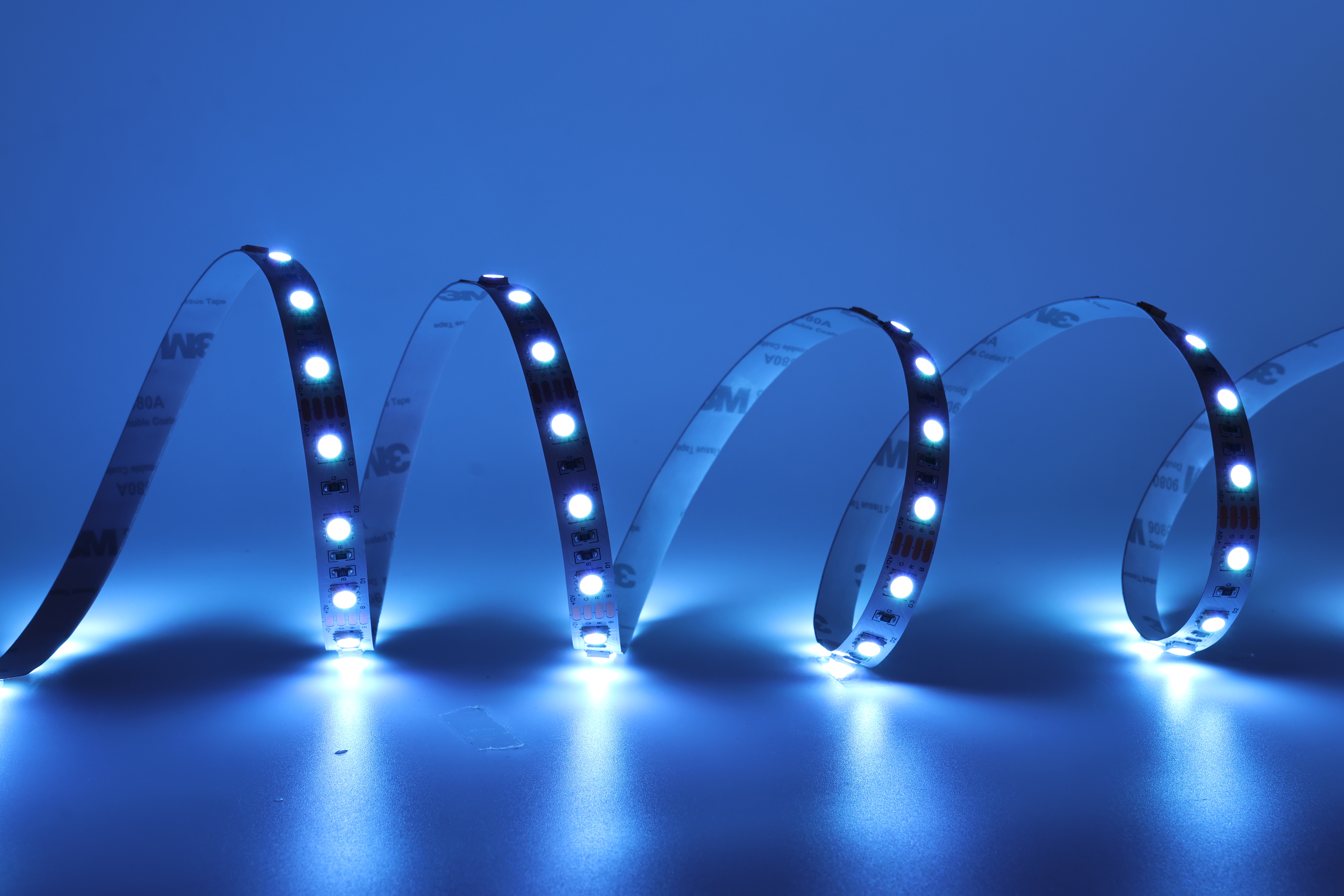
An LED strip light represents one of the most versatile and efficient lighting solutions available today for both residential and commercial applications. Unlike traditional fixed lighting fixtures, an LED strip light offers unprecedented flexibility in design, installation, and performance. Modern spaces demand adaptive lighting that can transform environments while maintaining energy efficiency and superior light quality.
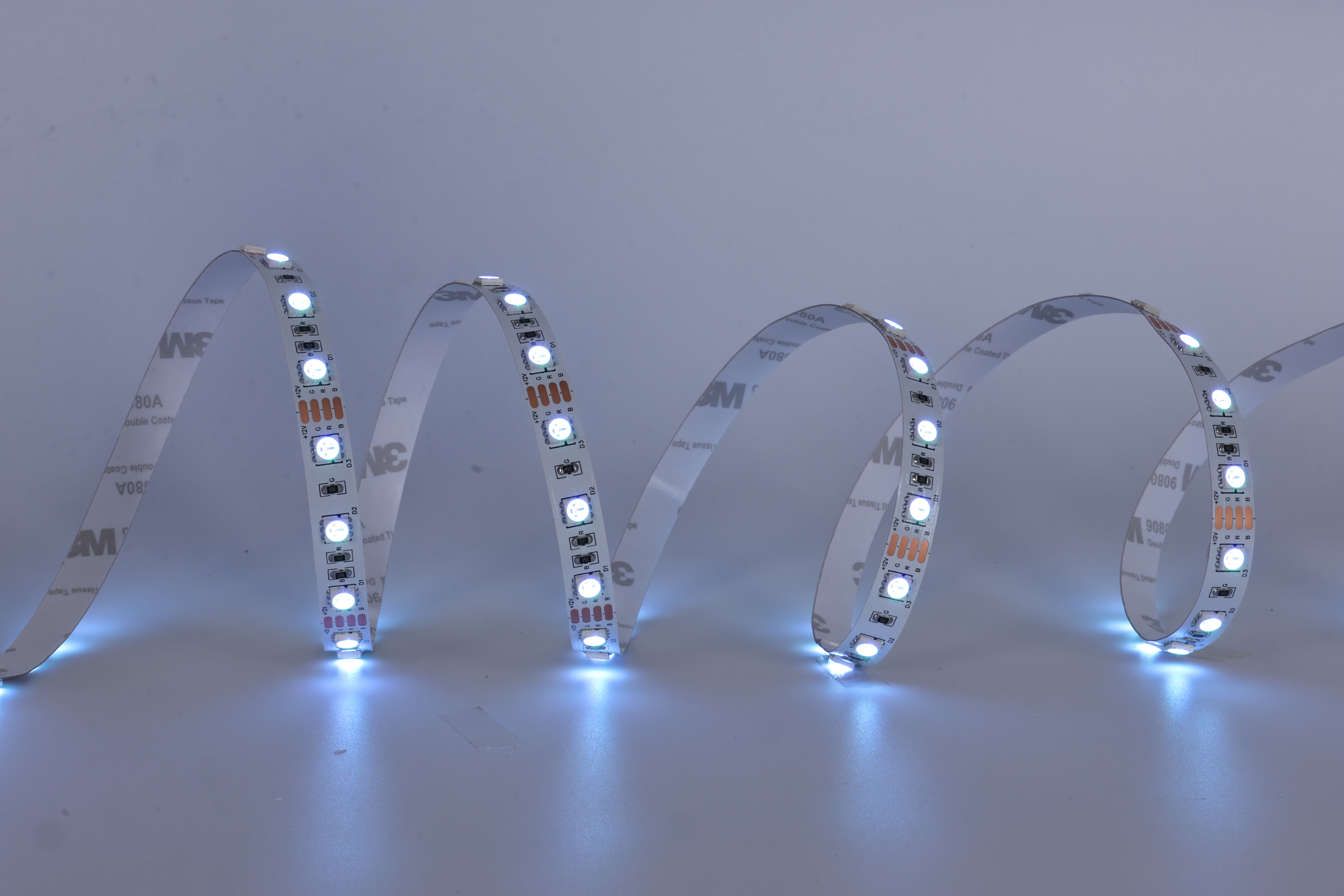
The advantages of adopting an led strip light extend far beyond simple illumination. Flexible LED lighting systems deliver measurable benefits in energy consumption, installation simplicity, design freedom, and long-term operational cost reduction. This article explores the core benefits that make LED strip lights the preferred choice for architects, designers, and facility managers worldwide.
Flexible LED lighting consumes significantly less electrical power compared to conventional halogen and incandescent solutions. LED strip lights operate at voltages as low as 12V or 24V DC, minimizing energy waste during operation. A typical flexible LED lighting installation can reduce energy consumption by 75 to 85 percent, directly lowering utility bills and operational expenses over the product lifecycle.
Smart light strips further enhance efficiency through automated dimming, color temperature adjustment, and occupancy-based control. When integrated into building management systems, smart light strips enable precise energy monitoring and adaptive lighting schedules that align with actual usage patterns. This intelligent approach eliminates wasted lighting hours and maintains optimal illumination only when needed.
An LED strip light typically operates for 25,000 to 50,000 hours or more, dramatically exceeding the lifespan of traditional lighting. Addressable RGB strips share this longevity advantage while adding color control capabilities. The extended lifespan reduces replacement frequency, cutting maintenance labor costs and material expenses significantly. Commercial facilities benefit from fewer service interruptions and lower total cost of ownership.
Flexible LED lighting bends and conforms to virtually any surface contour, enabling innovative architectural applications impossible with rigid fixtures. Smart light strips can be installed around corners, under cabinets, along baseboards, and within architectural recesses. This adaptability allows designers to create dramatic accent lighting, ambient illumination, and task-specific light distribution without visible fixtures or mounting infrastructure.
Addressable RGB strips introduce additional creative potential through individual control of each LED element. Color-changing capabilities transform spaces dynamically, supporting brand presentations, mood adjustment, and contextual lighting scenarios. Interior designers increasingly specify flexible LED lighting to achieve modern aesthetics while maintaining professional lighting quality and performance standards.
Modern LED strip lights deliver high color rendering index (CRI) values, typically 90 or greater, ensuring accurate color reproduction and natural appearance. Smart light strips offer adjustable color temperature from warm 2700K to cool 6500K tones, allowing users to customize lighting ambiance for different times of day or specific activities. This versatility supports circadian rhythm alignment and improves visual comfort throughout occupied spaces.
An LED strip light requires minimal infrastructure compared to traditional hardwired lighting systems. Most flexible LED lighting products use self-adhesive backing and low-voltage connections, enabling quick installation by facility personnel without licensed electricians. Addressable RGB strips connect through simple control interfaces, reducing installation complexity and project timelines. This accessibility makes LED strip lights ideal for retrofit projects where traditional rewiring would be disruptive.
Smart light strips integrate seamlessly with modern building automation systems, offering remote control via smartphone applications, voice assistants, and centralized management platforms. Addressable RGB strips support advanced programming for dynamic light shows, synchronized color schemes, and automated lighting scenes. These capabilities enable facility managers to adjust lighting parameters instantly across multiple spaces without physical intervention, improving operational responsiveness and user satisfaction.
Smart light strips reduce manual intervention requirements and support data collection for space utilization analytics. Integration with occupancy sensors and daylight harvesting systems enables fully automated lighting optimization. Commercial and hospitality applications particularly benefit from coordinated lighting that adapts to changing business needs throughout operating hours.
Flexible LED lighting serves diverse applications including under-cabinet kitchen illumination, architectural accent lighting, retail display enhancement, and ambient office environments. Addressable RGB strips support entertainment venues, hospitality settings, and experiential retail spaces requiring dynamic color control. Healthcare facilities utilize smart light strips for circadian-rhythm-sensitive lighting that supports patient wellness and staff performance.
Premium LED strip light products undergo rigorous testing for color consistency, thermal stability, and long-term reliability. Addressable RGB strips engineered for demanding applications maintain color accuracy and brightness uniformity across extended installations. Smart light strips designed for commercial use feature redundancy and fail-safe operation, ensuring continued functionality even if individual LED elements degrade.
Flexible LED lighting dramatically outperforms traditional technologies in energy efficiency, lifespan, heat generation, and design flexibility. LED strip lights consume 75 to 85 percent less energy than incandescent fixtures while lasting 25 to 50 times longer. Unlike fluorescent tubes, flexible LED lighting produces no heat accumulation, operates instantly without warm-up time, and generates no flicker that causes eye strain. The low-voltage operation enables safe installation in moisture-prone areas where traditional hardwired lighting poses electrical hazards.
Most modern smart light strips connect through standardized protocols including Wi-Fi, Bluetooth, and professional lighting control systems like DMX or Zigbee. Smart light strips can be integrated into building management platforms, occupancy-based systems, and energy monitoring solutions. Addressable RGB strips designed for commercial applications typically feature multiple control interfaces ensuring compatibility with existing infrastructure. Integration enables centralized management, scheduling, and data collection across diverse building spaces.
An LED strip light requires minimal maintenance compared to traditional lighting solutions. Periodic cleaning of light-emitting surfaces prevents dust accumulation that reduces brightness, typically needed quarterly or semi-annually depending on environmental conditions. Smart light strips and addressable RGB strips rarely require component replacement due to their extended operational lifespan. Most failures occur only after 25,000 to 50,000 operating hours, representing years of continuous use in typical commercial applications.
