 EN

what-brightness-levels-can-led-strip-lights-achieve, what-brightness-levels-can-led-strip-lights-achieve, /technical-insights
EN
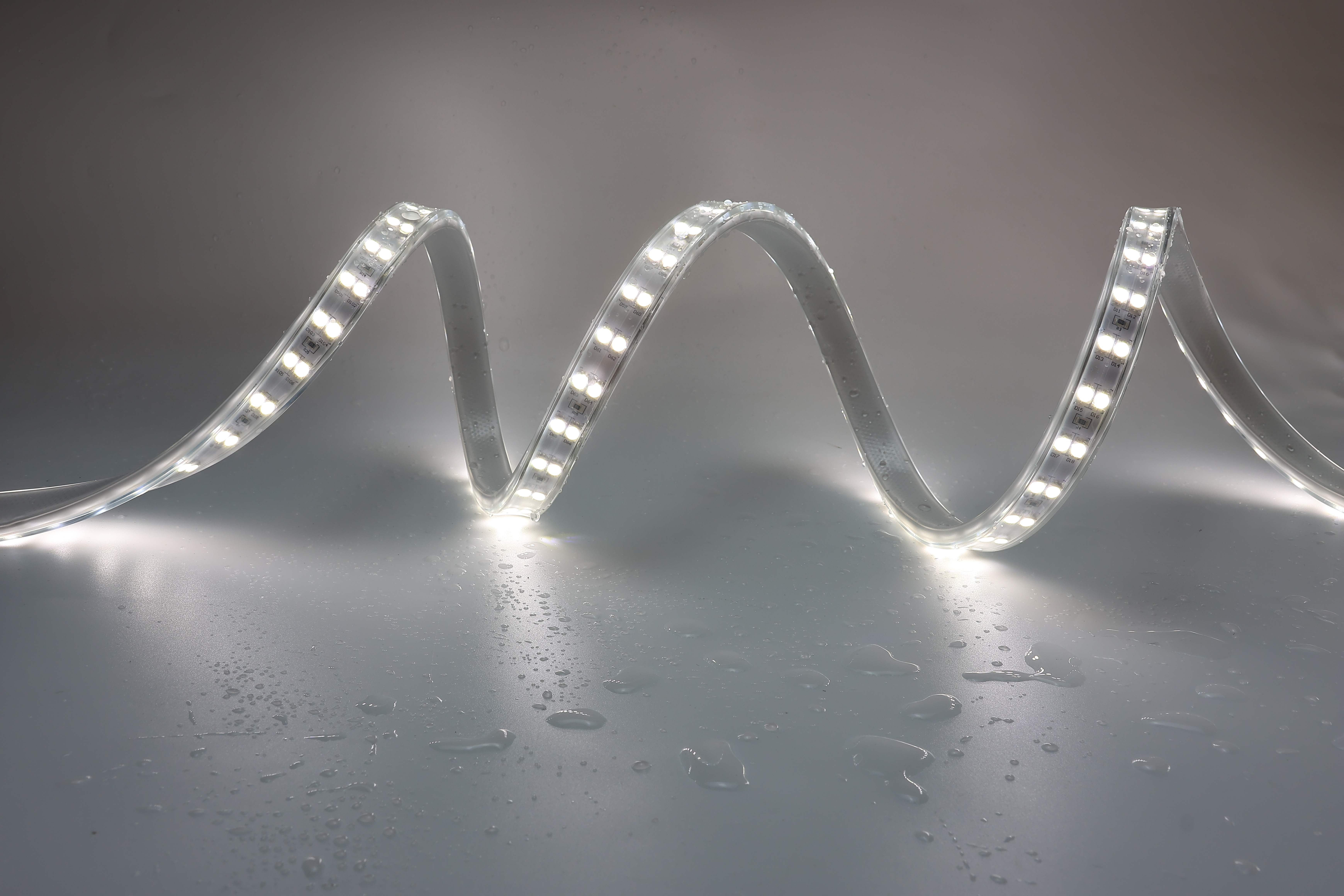
The brightness capabilities of an led strip light determine its effectiveness across industrial, commercial, and residential applications. Modern flexible LED lighting solutions deliver brightness ranging from subtle accent illumination to high-intensity task lighting that rivals traditional fixture performance. Understanding these brightness levels helps engineers, facility managers, and designers select the correct product for specific operational requirements.
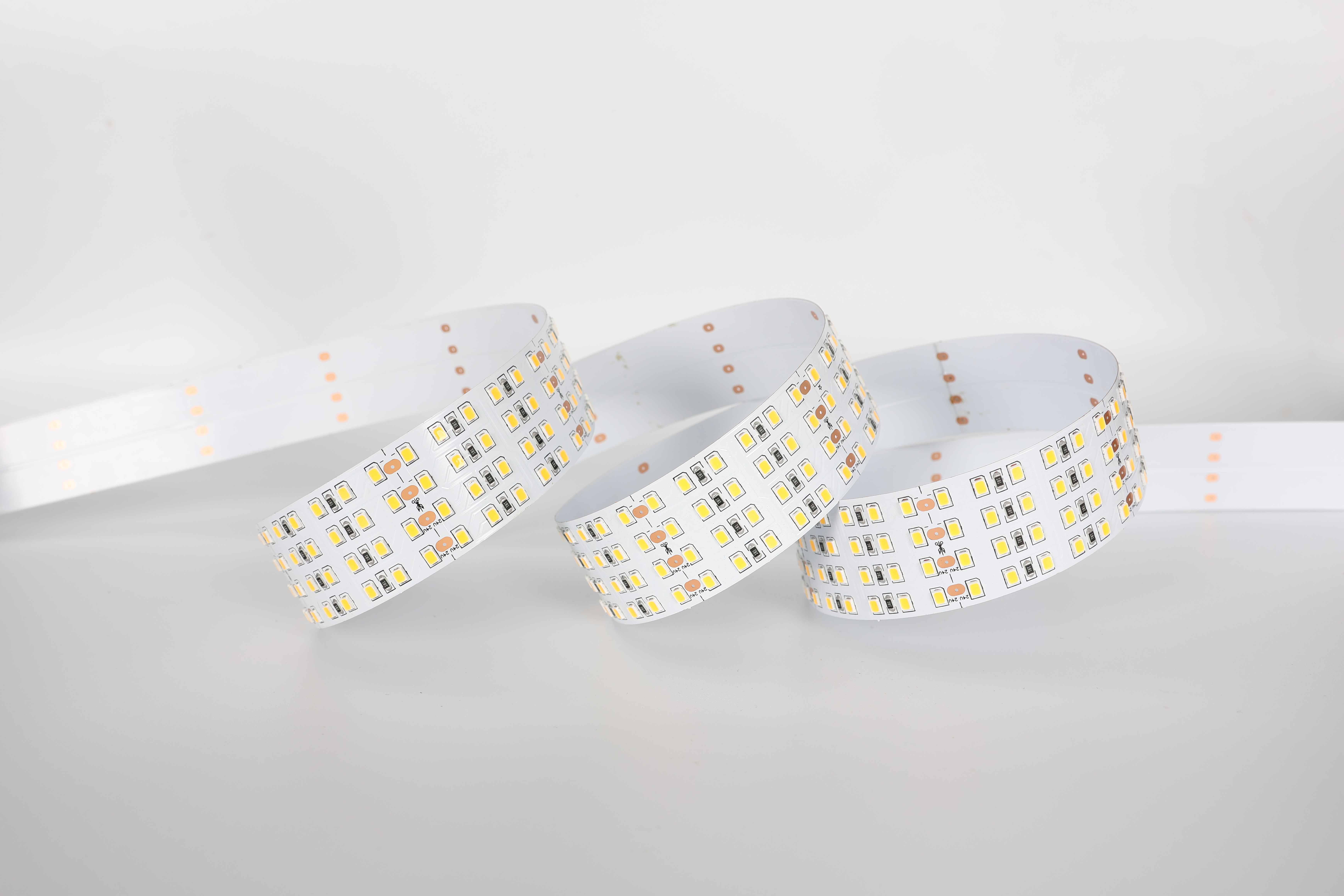
Brightness measurement in flexible LED lighting relies primarily on lumens per meter, a metric that quantifies light output intensity along the strip length. Advanced addressable RGB strips and smart light strips now offer dynamic brightness adjustment, allowing users to optimize illumination based on real-time environmental conditions and task demands. This technological evolution has transformed how industries approach workspace lighting, energy efficiency, and visual comfort.
Lumens represent the total visible light output from an LED strip light, while lumens per meter specifically indicate brightness density along the strip length. Most industrial-grade flexible LED lighting solutions range from 300 to 5,300 lumens per meter, depending on chip density, LED wattage, and color temperature configuration. Color temperature significantly impacts perceived brightness, with warm white (2700K to 3000K) appearing slightly dimmer than cool white (5000K to 6500K) at identical lumen ratings.
Low-output addressable RGB strips typically deliver 100 to 800 lumens per meter, suitable for accent lighting, decorative displays, and mood applications where subtle illumination suffices. Mid-range smart light strips provide 800 to 2,500 lumens per meter for general ambient lighting, retail shelving, and supplementary workspace illumination. High-performance industrial strips exceed 4,000 lumens per meter for critical task lighting, machine vision systems, and environments requiring intense, directional brightness.
The number of LED chips per meter directly correlates with overall brightness output from flexible LED lighting installations. High-density configurations featuring 480 to 600 LEDs per meter achieve superior lumens per meter ratings compared to standard-density strips with 30 to 60 LEDs per meter. Power supply voltage and current ratings also constrain maximum brightness, with 24-volt DC systems enabling higher chip counts and greater aggregate light output than lower-voltage alternatives.
Warm white LEDs incorporate phosphor layers that convert blue light into red wavelengths, reducing overall luminous efficacy compared to neutral or cool white designs. Advanced smart light strips utilizing multi-chip architecture enable simultaneous emission across multiple color temperatures, optimizing perceived brightness while maintaining color rendering quality. Addressable RGB strips offer independent control over red, green, and blue channels, allowing dynamic brightness adjustments that respond to ambient light or operational requirements.
Sustained brightness output depends critically on effective thermal management within the led strip light structure. Aluminum substrate strips with enhanced heat-sinking capacity maintain consistent brightness over extended operating periods without thermal throttling. Poor ventilation or inadequate thermal interface materials cause progressive brightness decline as LED junction temperatures exceed optimal operating ranges, typically above 70 degrees Celsius.
Industrial workspaces require flexible LED lighting delivering 3,000 to 5,300 lumens per meter to ensure visual acuity and reduce operator fatigue during precision assembly or inspection tasks. Cool white color temperatures between 5000K and 6500K enhance alertness and color discrimination critical to quality control operations. Dimmable smart light strips allow brightness adjustment based on ambient daylight levels, optimizing energy consumption while maintaining comfort.
Retail merchandise displays typically benefit from addressable RGB strips rated at 1,500 to 3,500 lumens per meter, providing sufficient brightness to highlight product features without creating glare or shadows. Warm white configurations at 2700K to 3000K enhance product appeal and create welcoming atmospheres that encourage customer engagement. Dynamic brightness control through smart light strips enables time-of-day adjustments and promotional lighting scenarios.
Decorative installations and architectural accent lighting typically utilize lower-output flexible LED lighting rated at 300 to 1,200 lumens per meter, prioritizing color rendering and visual balance over absolute brightness. Addressable RGB strips excel in these applications, enabling sophisticated color mixing and effects that conventional single-color strips cannot achieve. Energy consumption remains minimal while creating dramatic visual impact.
Premium industrial-grade led strip light products achieve brightness levels exceeding 5,300 lumens per meter, particularly high-density configurations with advanced thermal management. These maximum brightness ratings typically require 24-volt power supplies and adequate airflow to prevent thermal degradation. Applications demanding such intensity include medical imaging backlighting, industrial machine vision systems, and specialized inspection environments.
Smart light strips offer comparable maximum brightness to conventional flexible LED lighting but add dynamic adjustment capabilities through wireless control interfaces. These addressable RGB strips enable real-time brightness modulation, color temperature shifting, and synchronization with environmental sensors or external systems. The primary advantage lies in adaptability rather than peak output, allowing users to optimize brightness for specific moments rather than maintaining constant fixed levels.
Yes, LED brightness gradually declines through a phenomenon called lumen depreciation, typically reducing output by 10 to 15 percent after 50,000 hours of operation. Thermal stress, inadequate heat dissipation, and power supply instability accelerate this decline in flexible LED lighting installations. Proper thermal design, appropriate power supply selection, and environmental control effectively minimize lumen depreciation and extend practical service life.
