 EN

what-color-options-are-available-for-led-strips, what-color-options-are-available-for-led-strips, /technical-insights
EN
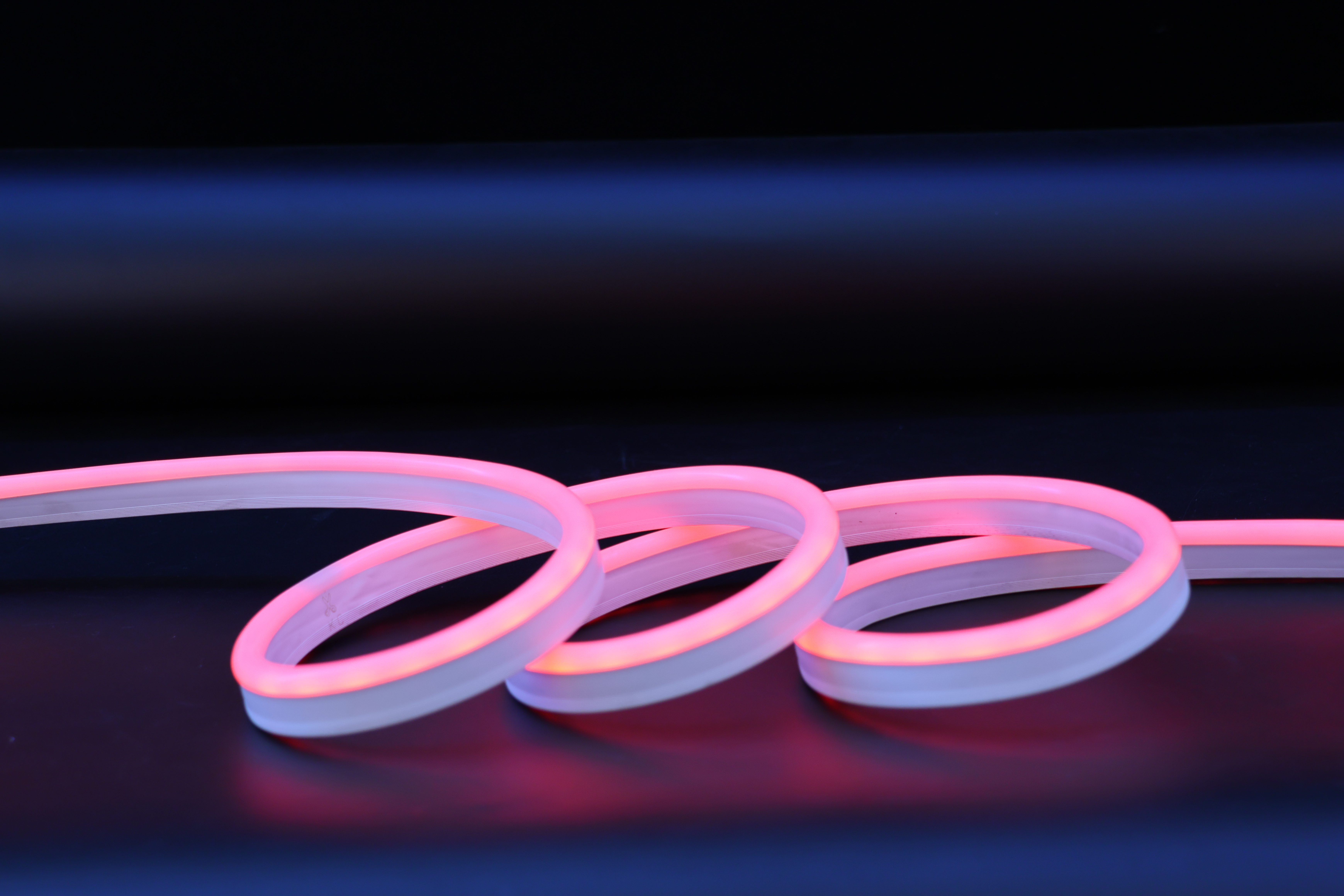
Choosing the right color for your lighting project starts with understanding what an LED strip can deliver. Modern LED strip technology offers far more than simple single-color solutions, providing flexibility and control that traditional lighting simply cannot match. Whether you're designing ambient lighting for a residential space, accent lighting for architectural features, or task lighting for commercial applications, the color options available through quality LED strip products shape both aesthetics and functionality. This guide explores the full spectrum of possibilities to help you make an informed selection for your specific needs.
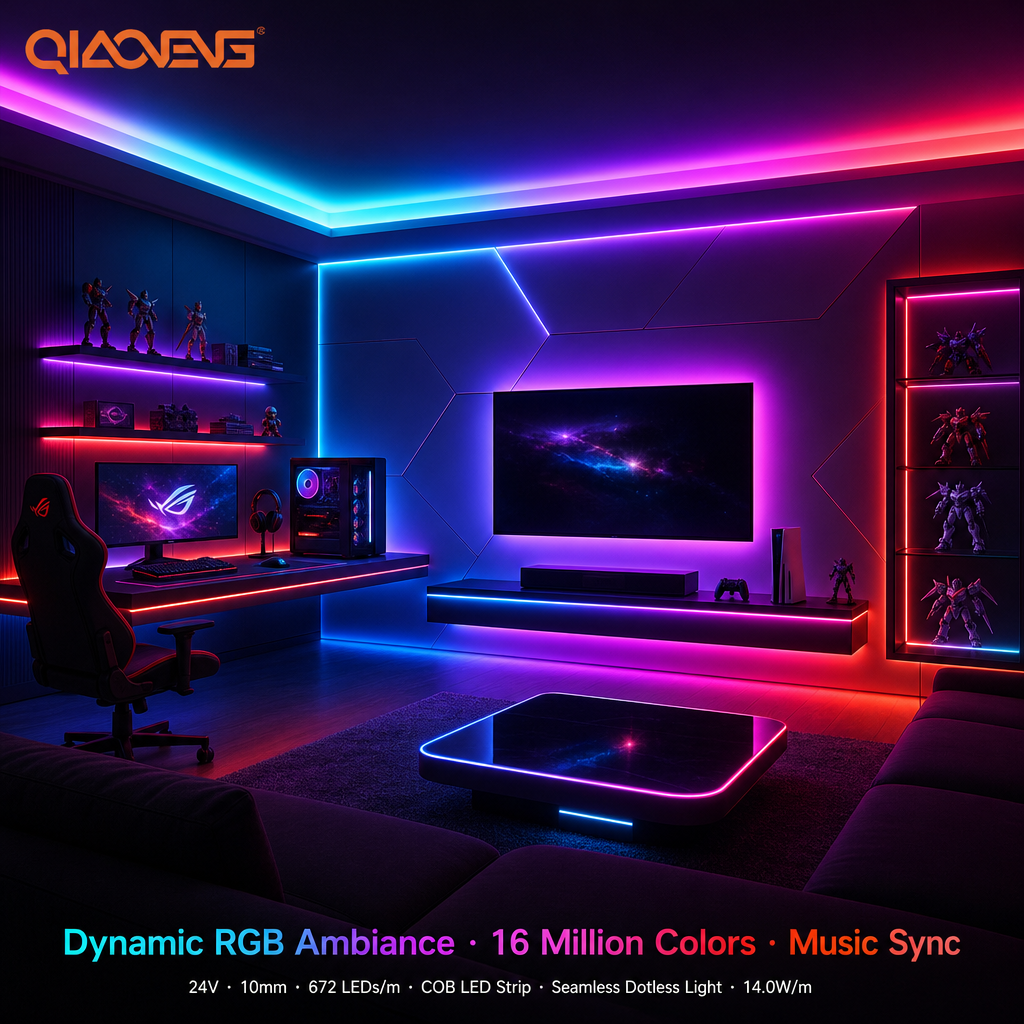
The landscape of LED strip color selection has evolved dramatically over the past decade. Today's LED strip options range from fixed single colors to dynamic RGB systems that deliver millions of possible hues. Understanding these color categories and their practical applications helps you select a solution that aligns with your project requirements, budget constraints, and long-term maintenance expectations.
Single-color LED strip configurations remain the most straightforward and cost-effective choice for many applications. Warm white LEDs, typically operating between 2700K and 3000K, create inviting atmospheres ideal for residential spaces, hospitality venues, and customer-facing retail environments. Cool white options, ranging from 4000K to 6500K, provide clarity and focus suited for task lighting, commercial kitchens, medical facilities, and workspaces where visibility matters most. The color temperature you select fundamentally influences how occupants perceive the space and their psychological response to the environment.
Beyond white spectrum options, monochromatic LED strip offerings include pure red, blue, green, amber, and other fixed colors. These variants suit specialized applications such as accent lighting on architectural elements, decorative signage, stage and event lighting, and entertainment venues. Monochromatic selections offer excellent energy efficiency and simplified control systems since they require no color-mixing circuitry. Many industrial and commercial applications prefer monochromatic LEDs for their reliability, consistency, and predictable light output over extended operating periods.
RGB LED strip represents a significant advancement in flexible LED lighting systems, incorporating separate red, green, and blue diodes that blend together to create virtually unlimited color combinations. This RGB LED strip configuration enables users to select from millions of possible hues, adjust color temperature dynamically, and even program animated color sequences. The technology relies on pulse-width modulation to control the intensity of each color channel independently, allowing seamless transitions between states. RGB systems require a compatible controller and power supply, making them more complex than single-color alternatives but vastly more versatile.
Enhanced versions of RGB LED strip technology add dedicated white diodes, creating RGBW (RGB plus white) and RGBWW (RGB plus dual white) configurations. These variants overcome a limitation of pure RGB systems: they struggle to produce true, neutral whites by mixing primary colors alone. By incorporating separate warm and cool white channels, RGBWW flexible LED lighting delivers authentic whites while maintaining full color-changing capability. This hybrid approach proves particularly valuable for applications requiring both accent colors and functional white light, such as hospitality lobbies, retail displays, and sophisticated home automation setups.
Home applications increasingly favor RGB LED strip and RGBWW configurations, driven by smart home integration and user preferences for adaptable lighting. Homeowners appreciate the ability to shift ambiance throughout the day, creating energetic cool light during morning hours and transitioning to warm, relaxing tones during evenings. Flexible LED lighting in kitchens, under cabinets, and behind entertainment centers combines aesthetic appeal with practical illumination. LED strip installation in residential settings typically emphasizes ease of retrofit into existing spaces without major construction, making color-changing systems an accessible upgrade path for homeowners seeking enhanced control and atmosphere.
Retail and commercial applications strategically employ LED strip color selection to influence customer behavior, highlight merchandise, and reinforce brand identity. Many retailers deploy cool-white single-color LED strip in general illumination zones to maximize clarity and alertness, then leverage RGB LED strip for accent features that draw attention to premium product displays. Hospitality venues use RGBWW systems to create memorable experiences, adjusting color throughout operating hours to match service periods and customer expectations. Professional LED strip installation in these contexts requires careful planning to ensure even light distribution, minimize shadows on merchandise, and support both immediate sales objectives and long-term facility sustainability.
Industrial settings prioritize reliability, consistency, and specific color temperatures that support task performance. Warm white LEDs remain standard in manufacturing environments where worker comfort matters, while cool whites dominate inspection stations and quality-control areas requiring maximum visibility. Some industrial applications employ colored flexible LED lighting for signaling and status indication, such as red for warnings or green for operational readiness. LED strip installation in industrial facilities must withstand temperature fluctuations, moisture exposure, vibration, and chemical environments while maintaining predictable performance throughout extended service intervals.
Color Rendering Index (CRI) fundamentally shapes perceived color accuracy and visual comfort. Higher CRI values, particularly 90 and above, ensure that colors under the LED strip light appear true to their natural appearance. This matters most in retail environments displaying consumer goods, residential spaces where family members gather, and professional settings where accurate color perception affects work quality. Understanding CRI alongside color temperature and RGB LED strip capabilities helps specify systems that deliver both functional illumination and the visual experience your application demands. Quality flexible LED lighting products prioritize CRI specifications because this characteristic directly impacts occupant satisfaction and perceived value.
Modern LED strip installation increasingly incorporates smart controls, wireless protocols, and integration with building management systems. Simple single-color strips require only standard dimmer compatibility, while RGB LED strip systems demand specialized controllers capable of color mixing and sequential programming. Smart-home compatible flexible LED lighting can respond to schedules, occupancy sensors, and user preferences through mobile applications or voice commands. Selecting appropriate control infrastructure during the planning phase prevents costly retrofits and ensures that color capabilities translate into user-friendly experiences that occupants actually utilize and appreciate.
LED strip technology inherently delivers superior energy efficiency compared to traditional lighting, but color selection still influences consumption rates. Single-color systems consume marginally less power than RGB LED strip equivalents because they lack the complexity of color-mixing circuitry. However, the difference often proves negligible, and the expanded capabilities justify the minimal additional cost. Over extended operating periods spanning years of use, flexible LED lighting reduces electricity expenses dramatically compared to halogen or fluorescent alternatives. This efficiency advantage, combined with extended lifespan and minimal maintenance requirements, makes LED strip installation an economically compelling choice across residential, commercial, and industrial sectors.
Kitchen counter lighting benefits most from cool-white color temperatures between 4000K and 5000K, which enhance visibility during food preparation and make colors appear true and vibrant. This range supports both functional task performance and flattering food presentation. If you prefer flexibility, RGBWW flexible LED lighting allows you to shift toward warmer tones during dining hours while maintaining cool task lighting when cooking. Most LED strip installation professionals recommend cool-white for task areas and optional RGB capability for adjacent decorative zones that benefit from ambiance adjustment.
Pure RGB LED strip struggles to produce perfectly neutral white by mixing primary colors alone, often resulting in a slightly purple or pink cast. This limitation prompted the development of RGBWW systems, which incorporate dedicated white diodes alongside RGB channels. These enhanced configurations generate authentic, neutral whites while retaining full color-changing capability. If true white light proves essential for your application, RGBWW flexible LED lighting represents the superior choice over standard RGB systems, despite marginally higher cost.
Single-color LED strip installation remains straightforward, requiring only basic power supply connection and standard wall-mounted dimmer compatibility. RGB LED strip systems demand compatible controllers, potentially remote controls, and sometimes smartphone integration through wireless modules, adding moderate complexity to the setup process. Professional LED strip installation services account for these technical requirements and ensure proper integration with building systems. While color-changing capability introduces some complexity, modern flexible LED lighting products feature simplified installation procedures and clear documentation that make successful deployment achievable for experienced DIY installers and professional contractors alike.
