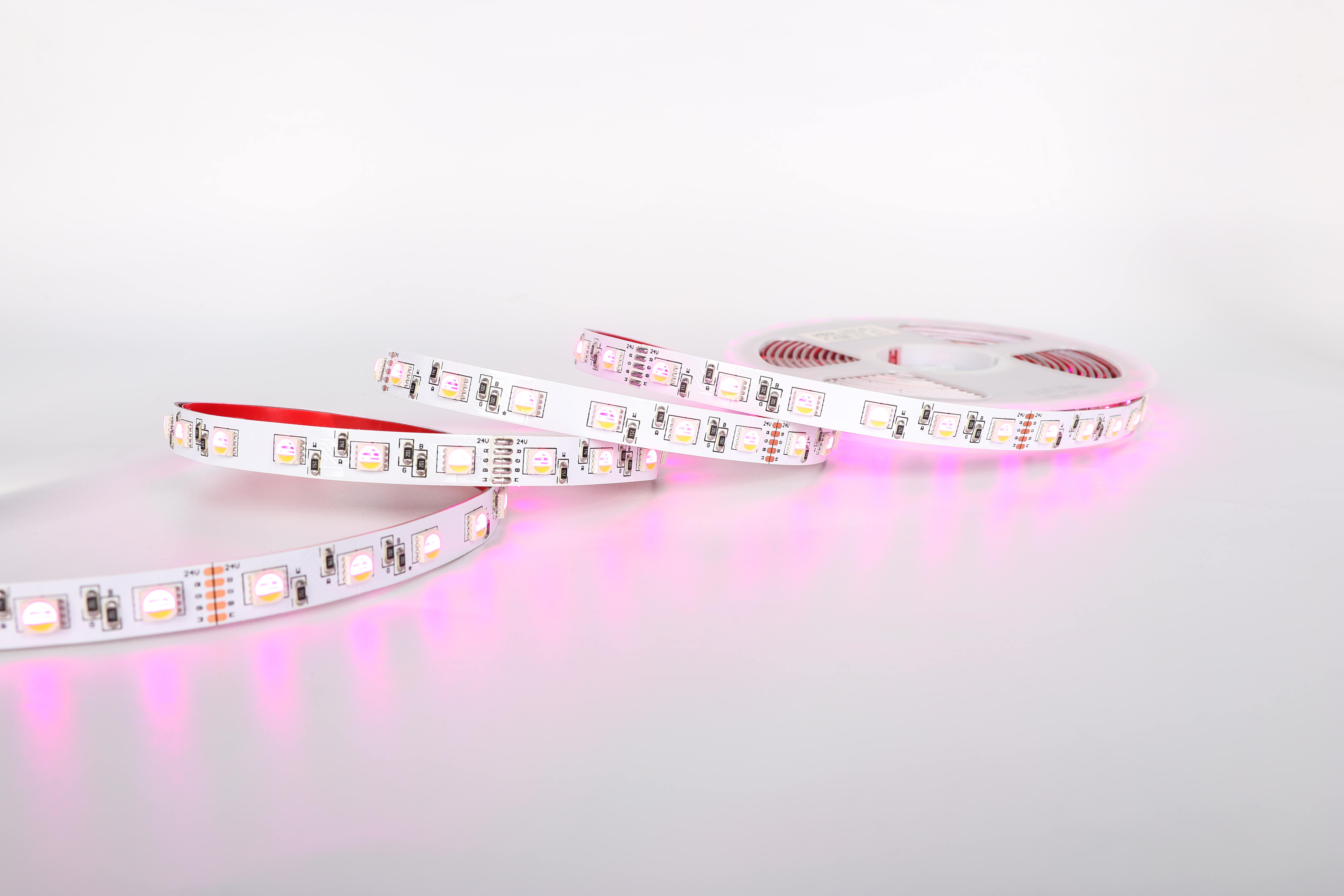
The performance of led tape depends on multiple interconnected factors that directly influence brightness, color accuracy, lifespan, and application suitability. Understanding these variables is essential for architects, contractors, designers, and facility managers who need reliable lighting solutions for residential, commercial, or industrial environments. Each component of the tape system, from power delivery to color rendering, contributes to overall performance outcomes.
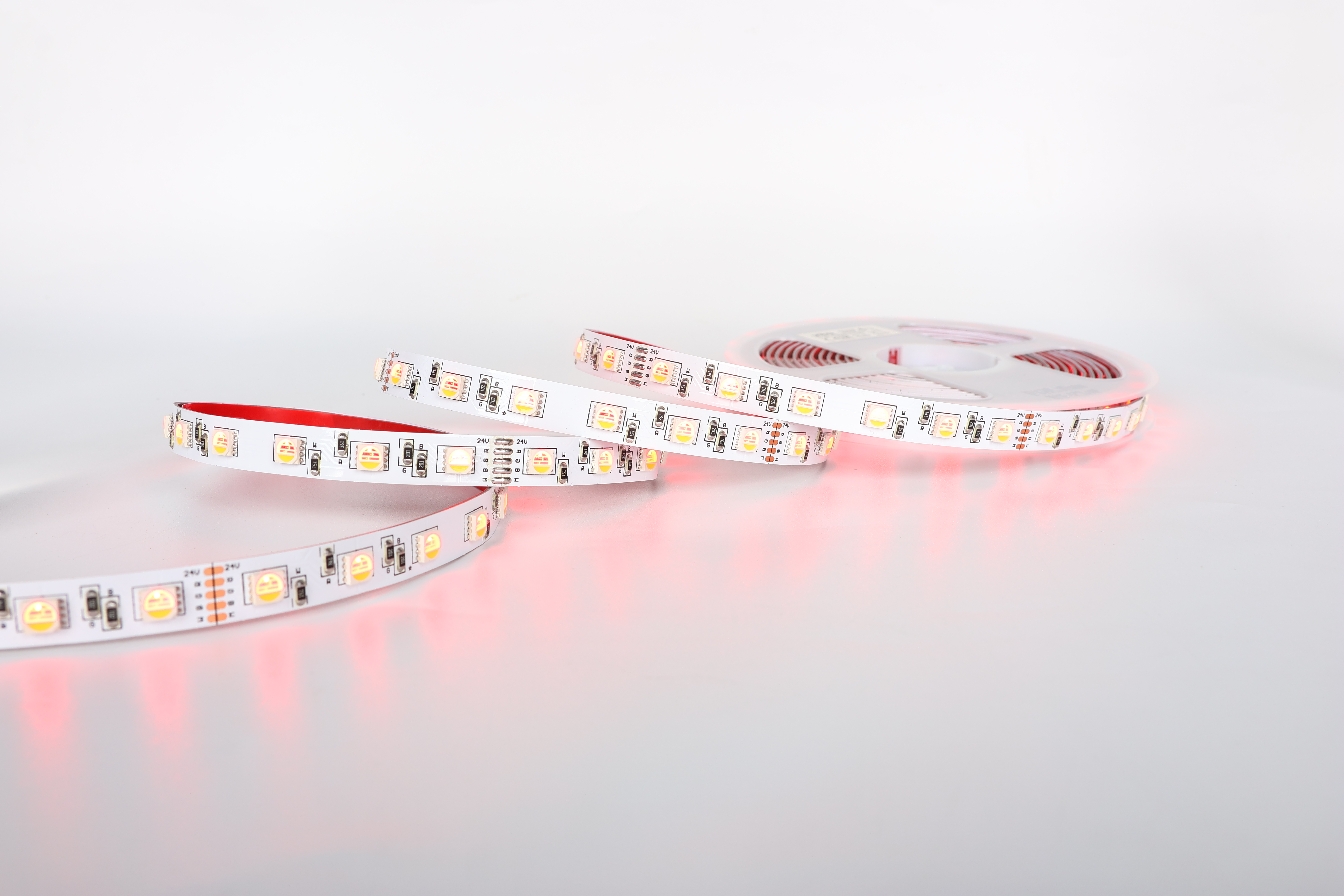
LED tape lighting technology has evolved significantly, offering flexible led strips with superior efficiency and customizable output options. Whether you are selecting addressable led tape for dynamic effects or standard tape for consistent ambient lighting, knowing the performance factors ensures you make informed purchasing and installation decisions that align with your specific project requirements and budget constraints.
Color Temperature and Color Rendering Index
Understanding Color Temperature Impact
Color temperature measured in Kelvin directly affects the visual mood and perceived quality of your lighting environment. Warm white tones around 2700K create cozy atmospheres ideal for residential and hospitality settings, while cool white at 5000K to 6500K suits task lighting, retail displays, and commercial workspaces. The selection of flexible led strips with specific color temperature ratings determines whether the light feels welcoming or clinical, influencing user comfort and safety perception.
Color Rendering Index Significance
Color Rendering Index (CRI) measures how accurately the led tape reproduces object colors compared to natural daylight, rated on a scale of zero to one hundred. High CRI values of 90 or above are critical in retail environments, art galleries, and food service areas where accurate color perception affects purchasing decisions and product presentation. RGB tape lighting with lower CRI may produce vibrant hues but sacrifice color accuracy, making it suitable only for decorative applications rather than task-critical environments.
Power Supply and Voltage Consistency
DC Power Stability Requirements
LED tape operates on direct current (DC) power, typically 12V, 24V, or higher voltages depending on tape design and length specifications. Voltage drop is a critical performance factor affecting brightness uniformity along extended tape runs; higher voltage systems minimize this effect and maintain consistent output across longer distances. Selecting the correct power supply rating and wire gauge ensures your addressable led tape maintains peak performance without flickering, color shifts, or premature component failure.
Power Supply Quality and Protection
Professional-grade power supplies with built-in protection circuits safeguard led tape from electrical surges, overcurrent conditions, and thermal stress. Poor quality supplies cause voltage fluctuations that reduce lifespan and degrade color consistency, particularly in dimming applications where smooth power modulation becomes essential. Adequate power supply margin, typically twenty to thirty percent above rated load, prevents overheating and ensures stable operation during peak brightness scenarios.
Physical Construction and Installation Factors
Substrate Quality and LED Density
The base substrate material and LED chip density determine brightness output measured in lumens and overall tape durability. High-quality flexible led strips use robust circuit board materials with superior thermal conductivity, enabling better heat dissipation and extended operational lifespan. LED density measured as LEDs per meter directly correlates to brightness output; denser configurations deliver higher total lumens but require more power and generate additional heat that must be managed through proper thermal design.
Thermal Management and Heat Dissipation
Heat generation is inherent to LED operation, and poor thermal management significantly reduces performance and lifespan. Aluminum backing strips with thermal adhesives conduct heat away from LED chips more effectively than plastic alternatives, maintaining optimal operating temperatures. Proper ventilation around rgb tape lighting installations and avoiding placement in thermally constrained spaces preserves brightness output and color consistency over extended service life, preventing the gradual lumen depreciation that occurs when LEDs operate above optimal temperatures.
Dimming Compatibility and Control Systems
Dimming Protocol Support
Addressable led tape incorporates individual control capabilities through protocols like DMX, PWM, or proprietary interfaces, enabling dynamic color changes and brightness modulation. The dimming capability of standard flexible led strips often depends on control system compatibility; some tape designs work seamlessly with leading-edge or trailing-edge dimmers while others require specific dimming controllers. Choosing the correct dimming method prevents flickering, color shifts at low brightness levels, and premature failure of driver circuits that cannot handle improper control signals.
Control Electronics and Driver Circuits
Integrated driver circuits on premium led tape handle voltage regulation and current distribution to individual LED sections or addressable pixels. Higher-quality driver circuits provide smooth dimming curves without visible stepping or banding artifacts, while budget alternatives may exhibit stuttering or color inconsistency at various brightness levels. The driver circuit quality also affects maximum dimming depth; some tape can reliably dim to one percent brightness while inferior designs maintain minimum brightness thresholds above five percent, limiting design flexibility.
FAQ
Does LED tape brightness decrease over time?
Yes, LED tape experiences gradual lumen depreciation over extended operation, typically losing five to ten percent of initial brightness after five thousand to ten thousand hours depending on thermal management quality, power supply stability, and overall build quality. Proper heat dissipation and operating temperature control significantly slow this depreciation rate, while poor thermal conditions accelerate brightness loss. Quality flexible led strips from reputable manufacturers often retain seventy to eighty percent of initial brightness after fifty thousand hours, while inferior products may degrade faster under identical usage conditions.
Can addressable led tape work with standard dimmer switches?
No, addressable led tape requires dedicated dimming controllers or smart home integration systems that support the specific protocol used by the tape, such as DMX, PWM, or wireless protocols. Standard household dimmer switches designed for incandescent or traditional LED bulbs cannot communicate with addressable tape electronics and may damage driver circuits or produce erratic flickering. Installing proper control hardware compatible with your specific rgb tape lighting model is essential for reliable operation and optimal performance of dynamic features.
What factors most influence LED tape lifespan?
Thermal management, power supply quality, installation environment conditions, and proper voltage distribution are the primary factors determining led tape longevity. Excessive heat accelerates component degradation and solder joint failure, while inadequate power supply stability causes voltage spikes that stress LED chips and driver circuits. Exposure to moisture, chemical fumes, or extreme temperature fluctuations in harsh environments also significantly reduces lifespan, making environmental control and proper installation technique essential for maximizing return on investment.
 EN