 EN

what-factors-affect-solar-powered-led-output, what-factors-affect-solar-powered-led-output, /technical-insights
EN
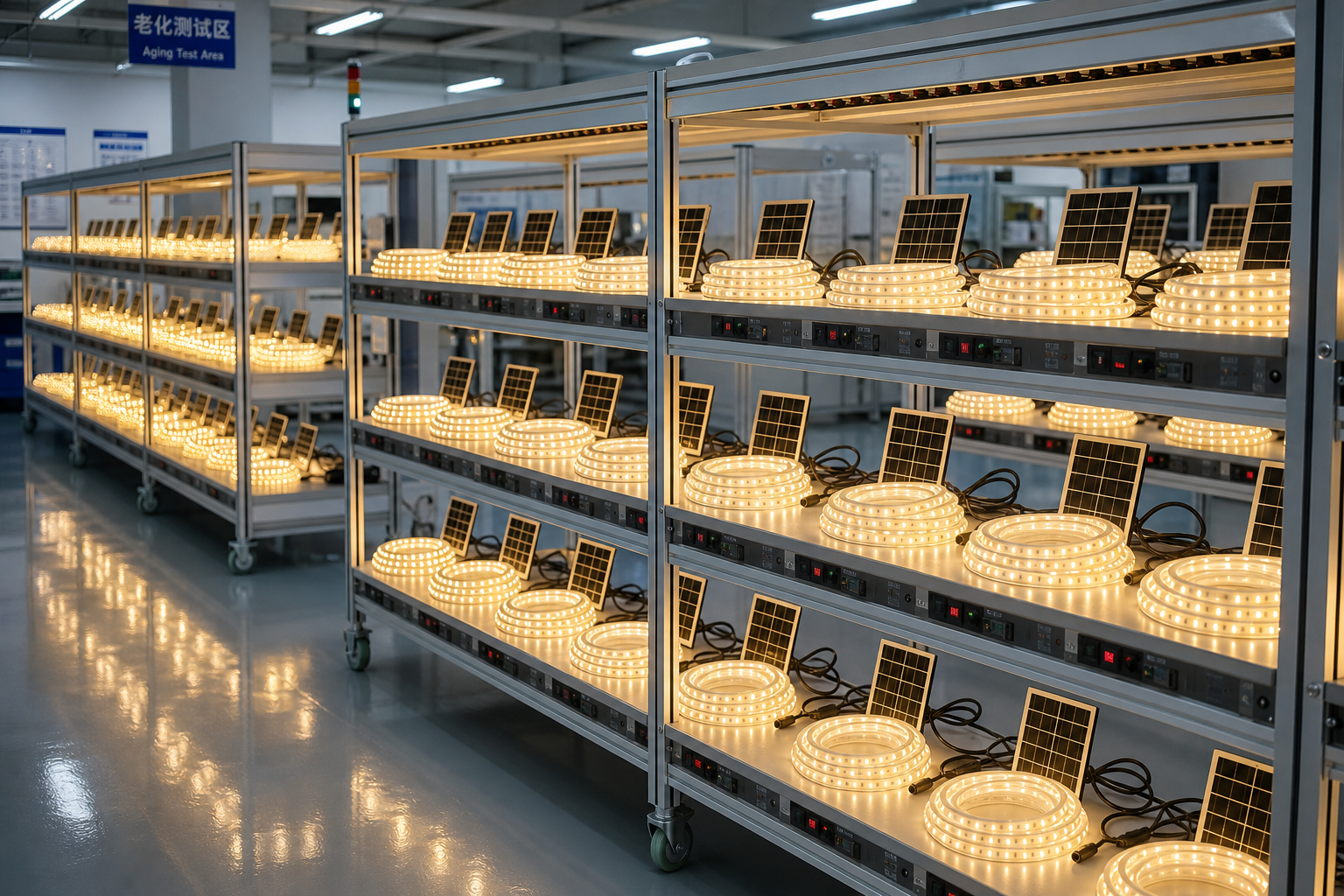
The performance of a solar powered led system depends on multiple interconnected factors that directly influence brightness, runtime, and overall reliability. Understanding these variables is essential for anyone evaluating solar LED lights for residential, commercial, or industrial applications. Unlike traditional grid-powered lighting, solar LED systems must balance energy collection, storage, and consumption throughout day and night cycles, making the relationship between environmental conditions and output performance critically important.
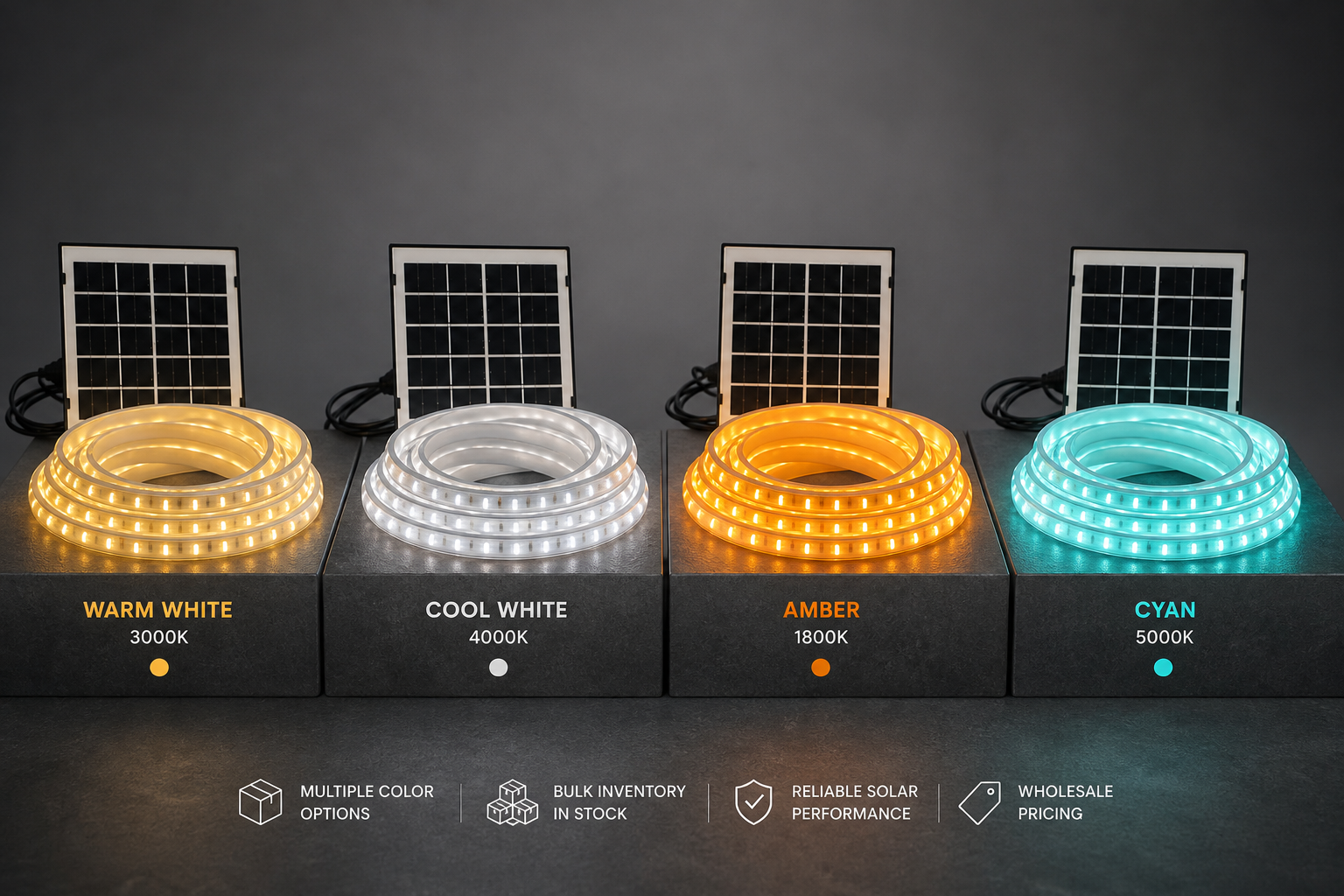
Solar LED lights operate within a closed energy loop where sunlight availability, storage capacity, and component efficiency directly determine actual output levels. Outdoor solar lighting installations must contend with seasonal variations, weather patterns, geographical location, and physical installation angles that collectively reshape performance expectations. By examining the core factors that affect output, users can make informed decisions about system sizing, placement strategies, and realistic performance timelines.
Solar irradiance—the amount of solar energy reaching the photovoltaic panel—represents the fundamental driver of energy generation capacity. Clear skies with direct, unobstructed sunlight deliver maximum irradiance levels, typically ranging between 800 to 1000 watts per square meter under ideal midday conditions. Cloud cover, atmospheric humidity, and air pollution significantly reduce irradiance penetration, with overcast conditions cutting available solar energy by 50 to 80 percent. Portable solar lamps designed for deployment in regions with consistent sunshine will maintain predictable output levels, while the same units in cloudy climates experience substantial performance degradation.
Latitude, seasonal angle changes, and local weather patterns create distinct performance zones for solar LED lights systems. Equatorial regions maintain relatively consistent solar elevation angles year-round, supporting steady charging throughout seasons. Temperate latitudes experience dramatic seasonal variations where winter daylight becomes 6 to 8 hours shorter than summer months, directly reducing daily energy capture by 40 to 60 percent. Geographic factors such as proximity to mountains, forests, or urban structures create shading patterns that interrupt solar collection windows. Outdoor solar lighting installers must account for these patterns when positioning panels to maximize usable charging duration.
The battery represents the critical bridge between daytime solar collection and nighttime lighting demand. Battery capacity, measured in milliamp-hours (mAh) or watt-hours (Wh), directly determines how long solar LED lights can operate after sunset. A 2000 mAh battery provides roughly 8 to 12 hours of continuous operation depending on LED power consumption rates, while larger 5000 mAh batteries extend runtime to 20 to 30 hours under identical load conditions. Battery chemistry—primarily lithium-ion versus nickel-metal hydride—affects charge retention, cycle life, and performance consistency across temperature ranges. Undersized batteries force rapid voltage decline, causing noticeable LED dimming before complete discharge.
Battery charging efficiency represents the percentage of solar energy successfully converted into stored electrical capacity. High-efficiency charge controllers achieve 90 to 95 percent transfer rates, while basic designs may operate at 70 to 80 percent efficiency. Battery degradation accelerates over time, with lithium-ion chemistry losing 2 to 3 percent capacity annually under standard conditions. Portable solar lamps with suboptimal charging circuits experience faster capacity loss, reducing effective runtime within 2 to 3 years of regular use. Temperature extremes during charging cycles further degrade battery chemistry, particularly in hot climates where internal resistance increases.
Modern LED technology converts electrical current into light with exceptional efficiency—typically 80 to 90 percent of input power generates visible light rather than heat. LED color temperature, measured in Kelvin (K), affects perceived brightness perception independent of actual photon output. Cool white LEDs at 5000 to 6500 K appear brighter than warm white 2700 to 3000 K options despite identical power consumption, influencing outdoor solar lighting perception. LED age and thermal management affect long-term output stability, with aged LEDs gradually reducing brightness at 5 to 15 percent per 1000 operating hours. Solar LED lights with integrated passive cooling fins maintain thermal stability, preserving consistent output levels throughout the product lifespan.
LED power consumption directly determines battery runtime calculations for any solar LED lights system. A 1-watt LED operating from a 3.7-volt battery draws roughly 270 mA of current, exhausting a 2000 mAh battery in approximately 7.4 hours of continuous operation. Modern outdoor solar lighting applications employ pulse-width modulation (PWM) techniques to reduce average power consumption while maintaining perceived brightness. Motion sensors, dusk-to-dawn controllers, and dimming schedules extend effective runtime by reducing operational duty cycles from continuous 24-hour operation to 8 to 12 hour windows. Advanced solar LED designs integrate these intelligent features, effectively doubling practical operation duration from identical battery capacity.
Temperature extremes create opposing effects across solar system components, reducing overall efficiency when conditions deviate from 15 to 25 degrees Celsius. Solar cells actually produce slightly more voltage at cooler temperatures but suffer efficiency losses at higher temperatures—typically declining 0.4 to 0.5 percent per degree Celsius above 25 degrees. Battery performance degrades significantly in cold environments, with lithium-ion chemistry losing 30 to 50 percent capacity when temperatures drop below minus 10 degrees Celsius. LED output remains largely stable across temperature ranges but experiences reduced visual perception in extremely cold conditions due to increased optical scattering. Portable solar lamps deployed in alpine or arctic regions require thermal management features to maintain reliability.
Solar panel orientation relative to the equator and solar elevation angle fundamentally determines energy collection efficiency. Panels facing true south (northern hemisphere) at angles matching local latitude optimize annual energy capture. Misalignment of just 15 degrees from optimal orientation reduces daily energy collection by 5 to 10 percent, compounding across seasons. Partial shading from trees, buildings, or vegetation creates hotspot conditions that reduce panel efficiency nonlinearly—shading just 25 percent of panel area can reduce total output by 75 percent. Outdoor solar lighting installation strategies must account for seasonal sun paths and permanent structures that cast shadows during critical charging windows.
Cloud cover reduces solar irradiance reaching photovoltaic panels, cutting available charging energy by 50 to 80 percent depending on cloud density and thickness. Light overcast conditions still permit charging but at significantly reduced rates, extending charging time and reducing evening brightness. Complete cloud cover during entire daylight hours may result in insufficient energy collection to power nighttime operation, particularly in winter months. Regions with persistent cloud coverage require oversized solar panels and battery capacity to maintain reliable solar LED lights performance throughout seasonal variations.
Battery capacity requirements depend on desired runtime, LED power consumption, and local solar irradiance availability. Most portable solar lamps use 2000 to 5000 mAh batteries providing 8 to 30 hours of operation depending on load. Systems designed for consistent 12-hour nighttime operation in temperate latitudes typically require battery capacity equal to 1.5 to 2 times the daily LED energy consumption, accounting for charging inefficiencies. Geographic location, seasonal variation, and panel size collectively determine whether selected capacity proves adequate for year-round reliable solar LED lights operation.
Yes, installation practices significantly influence actual solar LED lights performance independent of component specifications. Optimizing panel angle to match local latitude, eliminating shading throughout critical charging hours, and ensuring proper ventilation around batteries each improve output by 10 to 25 percent. Regular cleaning of solar panels removes dust and debris that accumulate and reduce light transmission by 5 to 15 percent annually. Selecting mounting locations with maximum unobstructed southern (northern hemisphere) exposure and stable thermal conditions substantially improves outdoor solar lighting reliability and output consistency.
