 EN

what-installation-requirements-does-solar-powered-led-need, what-installation-requirements-does-solar-powered-led-need, /technical-insights
EN
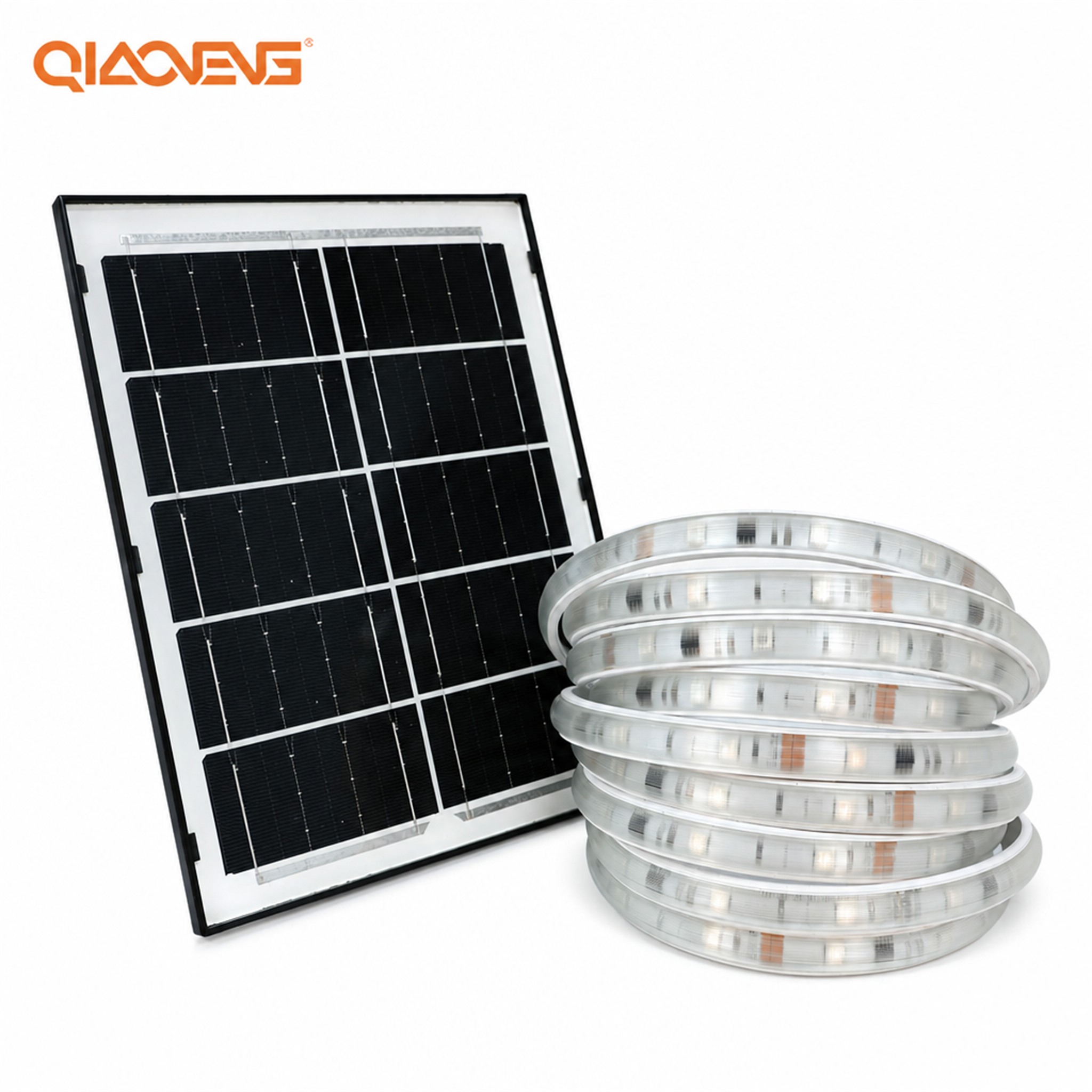
Installing a solar powered LED system requires careful planning and understanding of several critical factors before you begin setup. Whether you're deploying solar LED lights for residential gardens, commercial pathways, or industrial facilities, the installation requirements differ significantly based on your specific application, environmental conditions, and equipment specifications. This guide walks through the essential installation requirements for solar powered LED systems to ensure optimal performance and longevity.
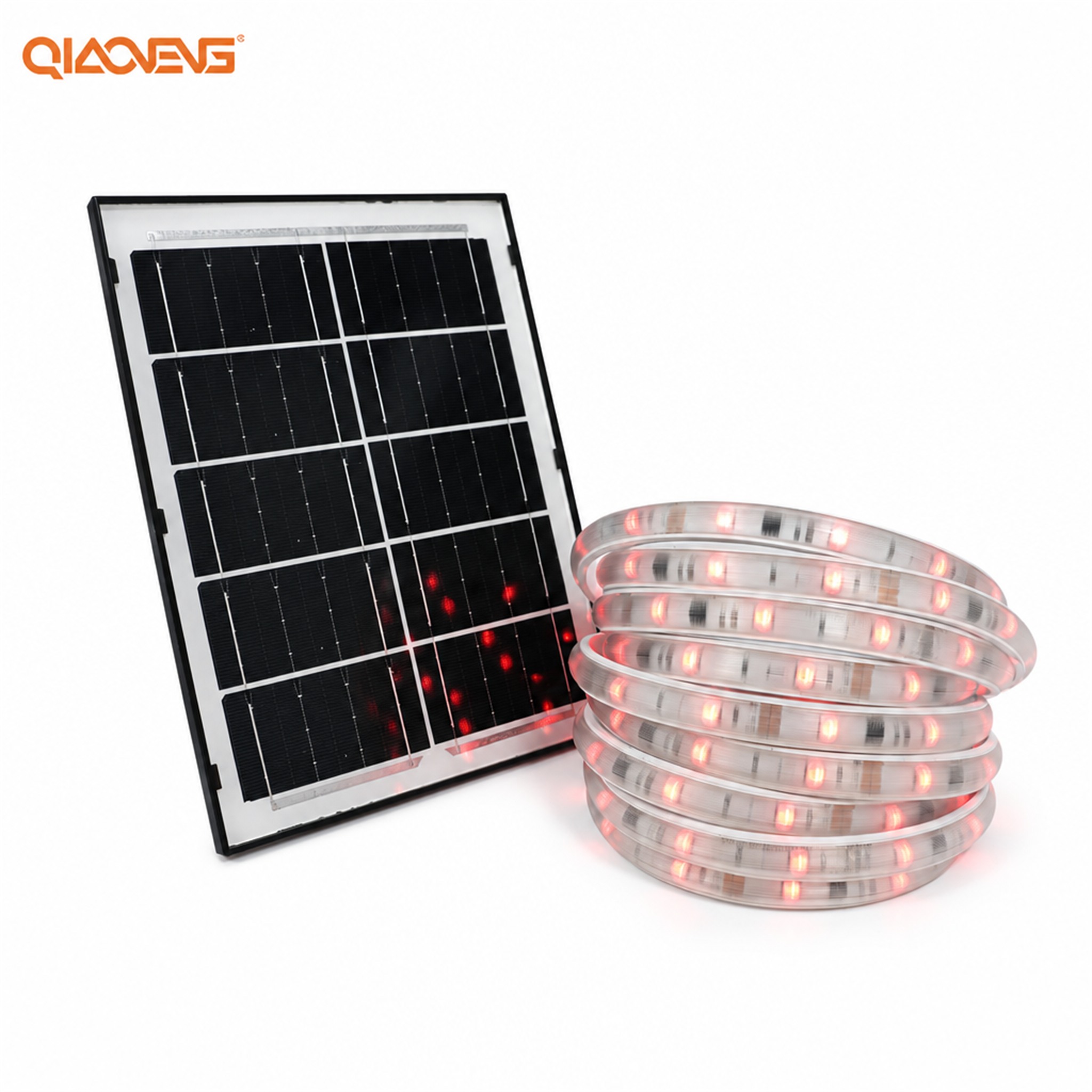
Understanding these requirements upfront prevents costly installation mistakes, reduces downtime, and maximizes the efficiency of your solar LED lights investment. The demands of outdoor solar lighting installations vary based on climate, shading patterns, geographic location, and intended use. This comprehensive resource addresses the foundational requirements every installer and property manager should understand before deploying portable solar lamps or integrated systems.
Before installing any solar powered LED system, comprehensive site assessment is the most critical step. You must evaluate sunlight exposure throughout the day, seasonal variations, and potential shading obstacles. Solar LED lights require minimum daily sunlight hours to charge adequately, typically between four to six hours of direct, unobstructed sunlight depending on battery capacity and light output specifications.
Proper orientation of solar panels directly impacts the effectiveness of your outdoor solar lighting setup. In the Northern Hemisphere, panels should face south with an angle approximately equal to your latitude plus fifteen degrees during winter months. For portable solar lamps used seasonally, this precise alignment matters less, but fixed installations demand accuracy. Avoid locations where trees, buildings, or natural terrain create morning or afternoon shadows that reduce charging efficiency. Even partial shading for thirty minutes daily can reduce solar LED lights output by twenty to forty percent over time.
The installation surface must provide stable, level support for mounted solar panels and their supporting structures. Soft soil, loose gravel, or unstable ground requires foundation reinforcement or alternative mounting solutions. For outdoor solar lighting installations in windy regions, ensure mounting hardware withstands local wind speeds and includes appropriate safety factors. Freeze-thaw cycles in cold climates can shift ground-mounted solar powered LED systems, so consider concrete footings or adjustable mounting brackets to maintain alignment throughout seasonal changes.
The electrical infrastructure supporting your solar powered LED installation must match the system voltage, current capacity, and battery specifications precisely. Most portable solar lamps operate at twelve to forty-eight volts DC, while larger outdoor solar lighting arrays may use higher voltages for efficiency over longer distances. Battery storage capacity determines how long your solar LED lights function during cloudy periods and nighttime hours without additional charging.
Your installation must include appropriately sized battery storage to maintain consistent operation during low-light conditions. Calculate daily energy consumption by multiplying LED wattage by operating hours, then multiply by days of autonomy you require during worst-case weather. Most quality solar LED lights systems include lithium-ion or lead-acid batteries rated for three to five thousand charge cycles. Verify the battery chemistry matches your climate; lithium performs better in cold regions, while lead-acid remains reliable in temperate zones. Secure battery enclosures against moisture, extreme temperature fluctuations, and physical damage using weatherproof housings rated for outdoor installation.
Proper wiring ensures safe, efficient energy flow from solar panels through the charge controller to batteries and finally to solar LED lights. Use appropriately gauged wire based on cable length and current requirements; undersized conductors cause voltage drop and energy loss. Install a charge controller between the solar panel and battery bank to prevent overcharging and battery damage. All connections must use marine-grade or stainless steel hardware to resist corrosion in outdoor solar lighting environments. Apply silicone sealant around all exposed electrical connections to prevent water intrusion that compromises safety and system reliability.
Mechanical installation of solar powered LED components requires attention to waterproofing, structural integrity, and protection from environmental stressors. All outdoor solar lighting fixtures must carry IP ratings indicating water and dust resistance appropriate for your climate. IP65-rated outdoor solar lighting provides protection against water jets from any direction and dust ingress, suitable for most residential and light commercial applications.
Select mounting systems compatible with your installation surface and local wind speed requirements. Rooftop solar powered LED installations require secure fastening to roof structure, while portable solar lamps may use stakes or weighted bases. Verify mounting brackets are fabricated from corrosion-resistant materials such as stainless steel or aluminum alloy. Ensure cables are routed through conduit or cable trays that prevent abrasion, UV degradation, and accidental damage. Every fastener, bracket, and connection point must be inspected before final system energization to confirm security and proper alignment.
Your solar LED lights installation must address local climate challenges including temperature extremes, salt spray, dust, and precipitation patterns. In coastal regions, use marine-grade stainless steel components to withstand salt corrosion of outdoor solar lighting systems. Desert installations require UV-protective coatings on all plastic components and may need dust-shedding surfaces on solar panels. Cold climate installations should include heating elements for batteries when temperatures drop below freezing, as battery capacity decreases dramatically in extremely cold conditions. Design cable management to prevent water pooling or ice damming around junction boxes and connectors.
After physical installation completes, systematic configuration and testing ensure your solar LED lights operate safely and efficiently. Connect components in the correct sequence: solar panels to charge controller, controller to battery bank, battery to load controller, and load controller to lights. Program timers and light sensors according to your operational requirements; most outdoor solar lighting systems automatically turn on at dusk and off at dawn using integrated photocells.
Before full activation, verify voltage outputs at each system stage using a digital multimeter. Solar panel output should match rated specifications under full sunlight. Battery voltage should stabilize within manufacturer specifications after initial charge cycles. Load testing confirms that portable solar lamps and fixtures function at rated brightness levels. Document baseline performance metrics including charging time, operating duration, and light output levels for future comparison. This baseline helps identify performance degradation caused by aging components, dust accumulation, or connection degradation over months of operation.
Most solar powered LED systems require four to six hours of direct, unobstructed sunlight daily to maintain adequate battery charge for nighttime operation. The exact requirement depends on battery capacity, LED power consumption, and desired operating hours. Locations receiving consistent direct sunlight during peak hours between ten a.m. and three p.m. perform optimally. If your site receives less than four hours daily due to shading or latitude, select systems with larger battery capacity or higher wattage solar panels to compensate.
Portable solar lamps have simpler installation requirements since they typically arrive fully assembled and require only ground placement or wall mounting without extensive electrical work. However, they still need adequate sunlight exposure, stable positioning to prevent tipping, and occasional repositioning to maintain optimal solar panel angle. Fixed outdoor solar lighting systems demand comprehensive electrical integration, grounding, weatherproofing, and structural engineering to ensure safety and longevity. Both require protection from physical damage and environmental elements appropriate to your climate zone.
Regular maintenance keeps solar powered LED systems performing efficiently throughout their operational life. Clean solar panel surfaces quarterly or after dusty weather to remove accumulated dust and debris that reduces charging efficiency. Inspect all electrical connections annually for corrosion, tightness, and physical damage. Monitor battery performance by checking voltage and charge times periodically; replacing batteries typically occurs every three to five years depending on usage patterns and environmental conditions. Test lights monthly to confirm brightness and automatic on-off functionality work as intended.
