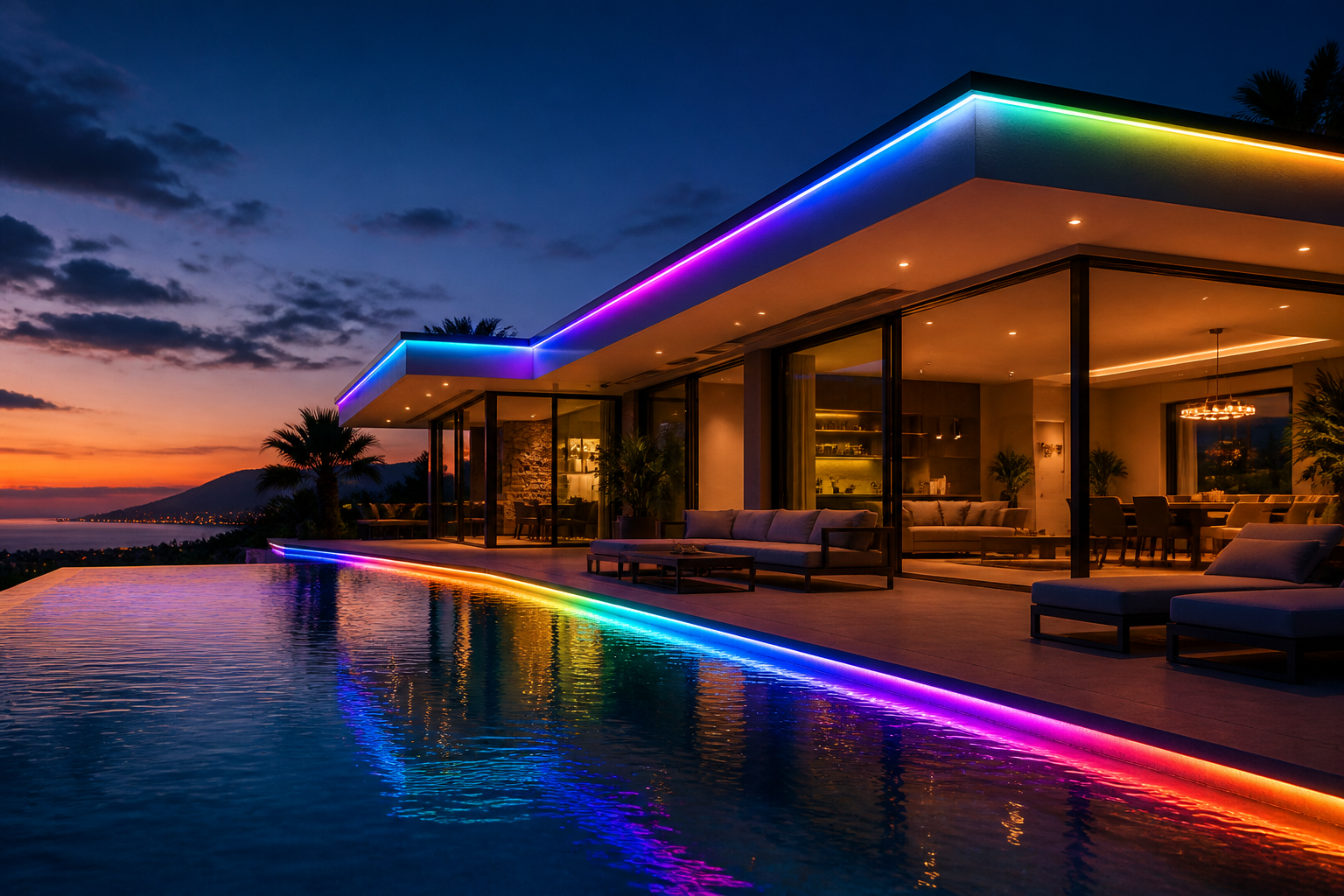
An addressable led strip represents a fundamental shift in how lighting systems operate. Unlike traditional LED strips that illuminate entire sections with uniform color, addressable strips allow each individual LED pixel control independently. This advanced technology enables creators, designers, and installers to program each light separately, generating complex visual patterns, animations, and color sequences that were previously impossible with conventional lighting solutions. The flexibility and precision of this system have made programmable RGB LED strip technology increasingly popular across residential, commercial, and entertainment applications.
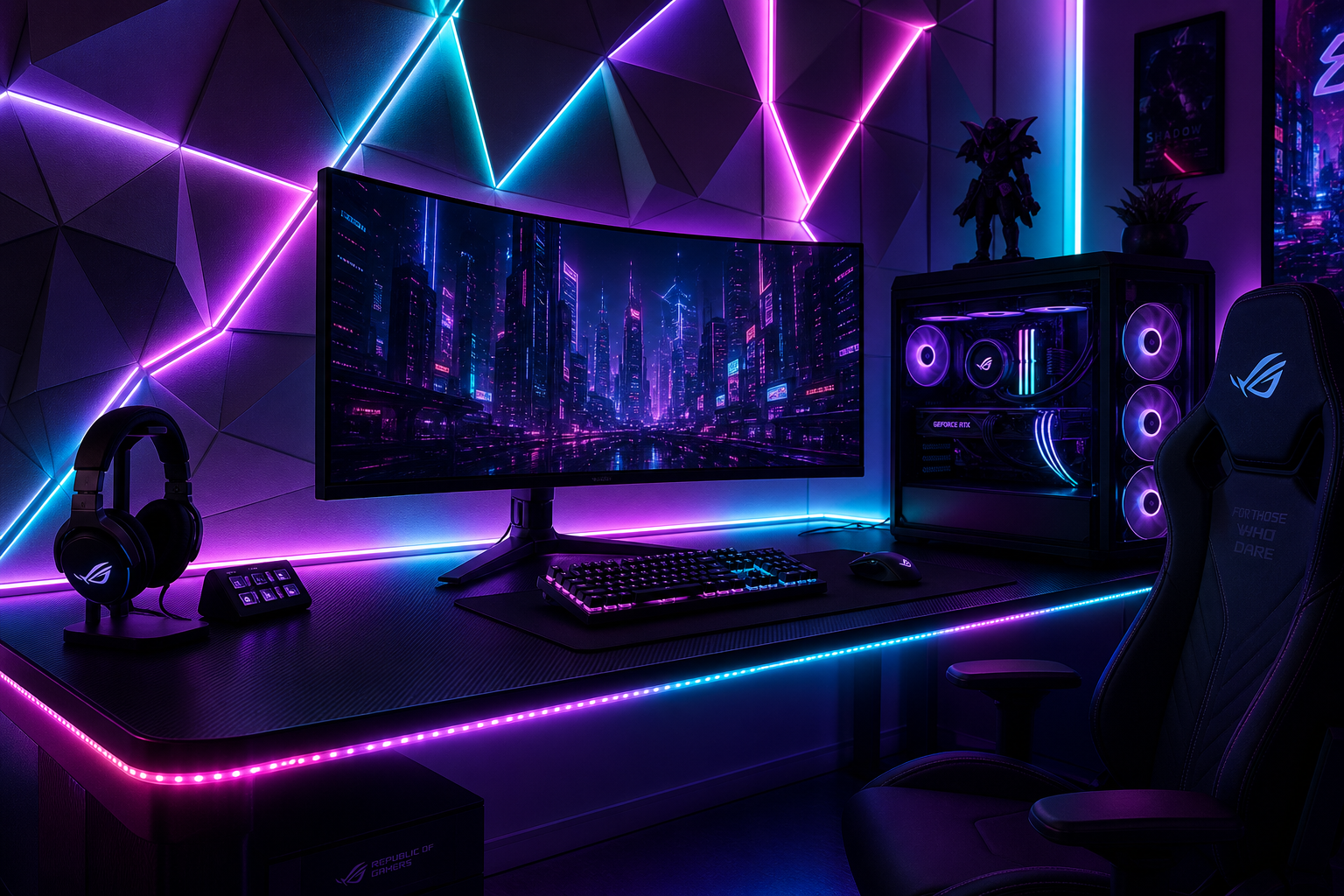
Smart addressable lighting has transformed the landscape of display and ambient lighting design. By implementing individual LED pixel control within a single continuous strip, these systems provide unprecedented creative freedom. Each pixel can be addressed and controlled through digital protocols, allowing simultaneous or sequential color changes, brightness adjustments, and animated effects. This capability distinguishes programmable RGB LED strips from older technology, offering installers and end-users the ability to create immersive lighting experiences tailored to specific environments and preferences.
Understanding Addressable LED Strip Architecture
Core Components and Digital Control
An addressable LED strip contains multiple LED clusters, each with integrated control circuitry that responds to digital signals. The microcontroller within each LED node communicates with the next node in sequence, allowing instructions to propagate along the entire strip. Each individual LED pixel control system typically uses protocols such as WS2812B or APA102, which enable precise communication and synchronized operations across hundreds or even thousands of addressable LEDs. The programmable RGB LED strip design ensures that data flows smoothly through the chain, with each node extracting its specific command before passing the signal forward.
Signal Flow and Data Protocol
Smart addressable lighting operates through a well-defined data protocol that sequences commands to each pixel. When power and data lines connect to the strip, a control source sends digital information that specifies color, intensity, and timing for every individual LED pixel control point. The protocol includes clock signals and data frames that instruct each addressable LED on what color to display and when to transition. This sequential communication method, central to programmable RGB LED strip technology, ensures synchronized and predictable behavior across the entire lighting installation, regardless of strip length or complexity.
Practical Applications and Benefits
Entertainment and Display Environments
The capabilities of smart addressable lighting have made these systems essential in theaters, concert venues, and broadcast studios. Individual LED pixel control enables designers to create chasing effects, color waves, and synchronized sequences that respond to music or events. Entertainment professionals leverage the programmable RGB LED strip format to design custom animations that would require multiple separately controlled circuits using traditional technology. This flexibility reduces installation complexity and allows rapid iteration of lighting designs without rewiring or equipment replacement.
Architectural and Ambient Applications
Beyond entertainment, the addressable LED strip technology has proven valuable in architectural applications such as accent lighting, facade illumination, and interior design. Designers employ individual LED pixel control to highlight building features, create color-changing moods, and establish brand atmospheres in retail and hospitality spaces. The programmable RGB LED strip approach enables responsive lighting that adapts to events, times of day, or customer preferences. Smart addressable lighting systems reduce energy consumption compared to traditional multi-circuit installations and simplify wiring by consolidating control functions into a single data line.
Integration, Control, and Implementation Considerations
Controller Selection and Compatibility
Implementing an addressable LED strip requires selecting a compatible controller capable of communicating with the chosen protocol. Controllers range from simple single-function units to sophisticated programmable systems that integrate with home automation platforms or professional lighting software. The programmable RGB LED strip controller must support the specific protocol used by your LED model to ensure proper individual LED pixel control. Many modern smart addressable lighting controllers offer wireless connectivity, remote operation, and scheduling capabilities, making them suitable for both temporary installations and permanent architectural applications.
Cable Management and Power Distribution
Proper power distribution is critical for maintaining consistent brightness and color accuracy along an addressable LED strip. Each section of the strip draws current proportional to the number of active LEDs and their brightness level. Installing power injection points at intervals along longer strips ensures stable voltage and prevents color shifts or flickering in distal sections. The programmable RGB LED strip format simplifies wiring compared to traditional systems because individual LED pixel control requires only three connections: power, ground, and data. This streamlined architecture reduces installation labor and material costs while maintaining full flexibility and control precision.
FAQ
How does individual LED pixel control differ from standard LED strips?
Standard LED strips illuminate in zones or sections with uniform color, while an addressable LED strip enables each individual LED pixel control independently. This means you can program each pixel to display different colors and brightness levels simultaneously, creating complex animations and patterns. The smart addressable lighting approach provides vastly greater creative flexibility and allows synchronized effects that standard strips cannot achieve.
What programming knowledge is required to use a programmable RGB LED strip?
Many programmable RGB LED strip systems offer pre-programmed effects accessible through remote controls or mobile apps, requiring no coding knowledge. For custom animations and advanced effects, basic understanding of digital protocols and simple programming languages like Arduino or Python is helpful. The addressable LED strip community maintains extensive documentation and example code, making it accessible for beginners while supporting advanced customization for experienced developers.
Can an addressable LED strip be integrated into existing smart home systems?
Yes, many modern smart addressable lighting solutions integrate with popular home automation platforms through WiFi, Bluetooth, or specialized gateways. An addressable LED strip controller can synchronize with smart speakers, motion sensors, and scheduling systems to create context-aware lighting experiences. Integration capabilities vary by controller and platform, so verify compatibility before purchasing to ensure your individual LED pixel control system works seamlessly with your existing smart home infrastructure.
 EN