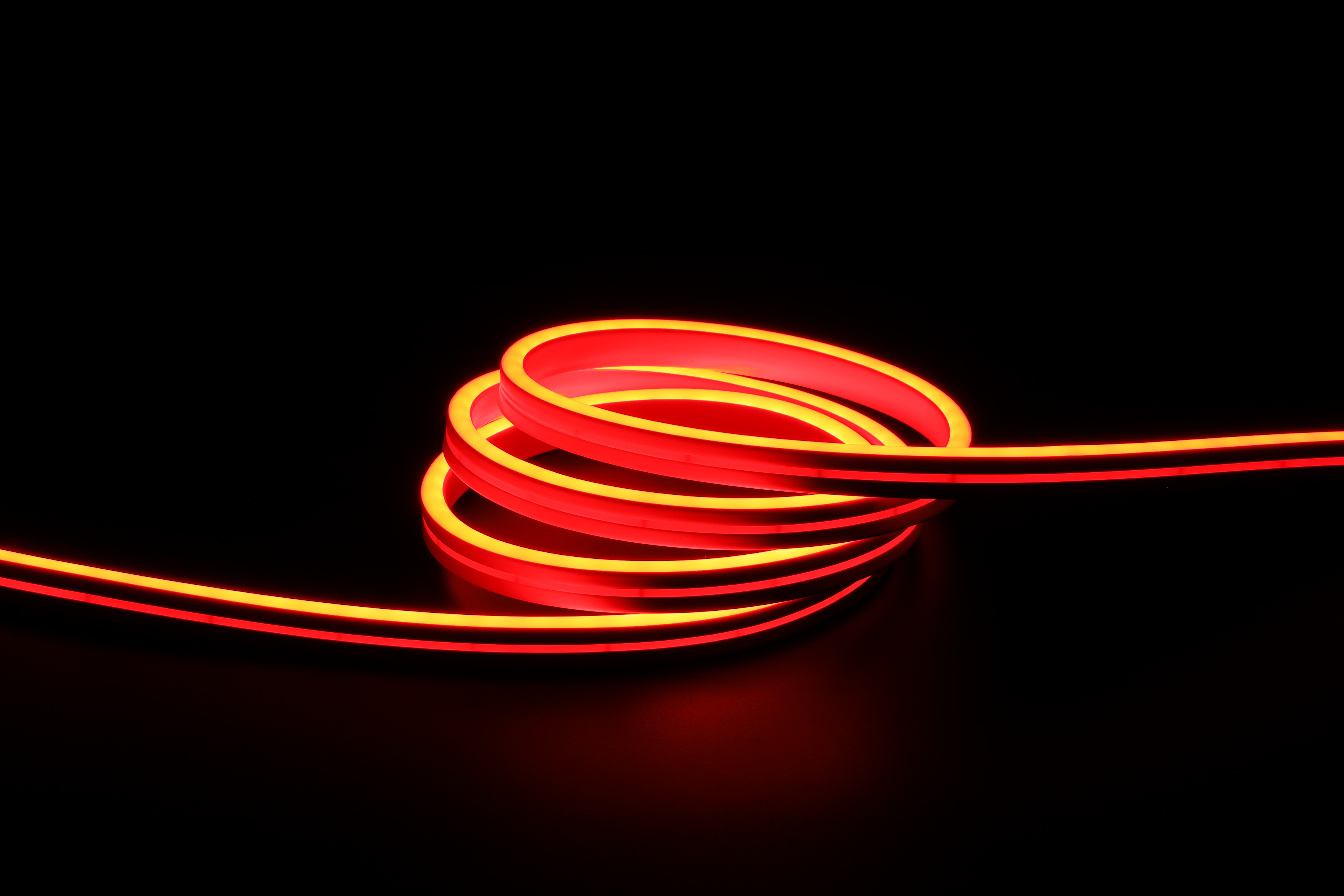
An LED strip is a flexible circuit board populated with small light-emitting diodes that produce illumination across its entire length. Unlike traditional rigid lighting fixtures, these flexible LED lighting solutions can bend, curve, and conform to various surfaces, making them ideal for accent lighting, task illumination, and decorative applications in both residential and commercial environments. The compact design and versatility of LED strip technology have revolutionized how people approach interior and exterior lighting design.
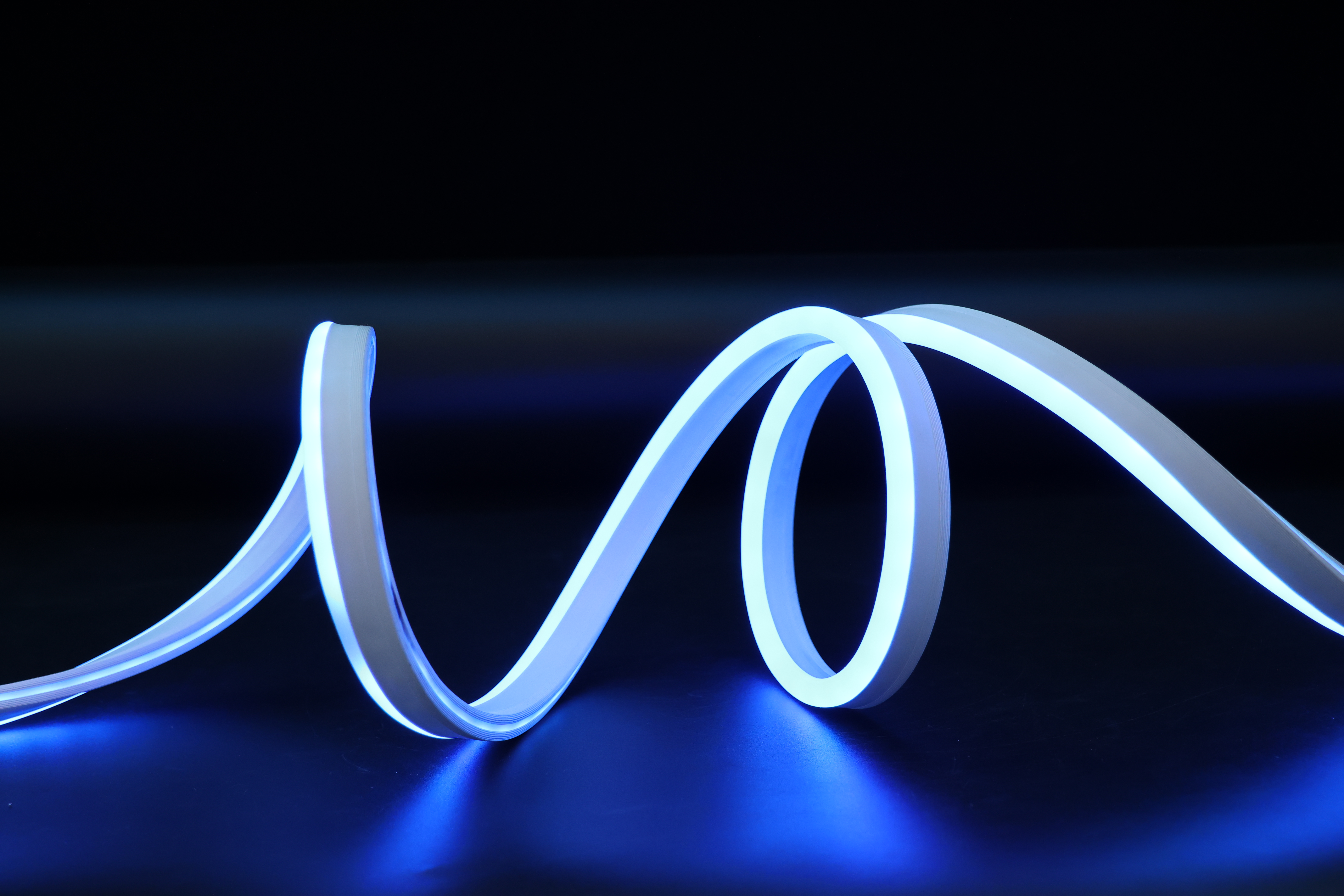
Modern LED strip systems come in various configurations, including single-color options, RGB LED strip variants that offer millions of color combinations, and tuneable white versions that adjust color temperature. Understanding the fundamental structure and operational principles of LED strip technology helps users make informed decisions about which flexible LED lighting products best suit their specific needs and project requirements.
Core Components and Structure of LED Strips
Substrate and Circuit Design
The foundation of any LED strip is its flexible substrate, typically made from polyester or fiberglass reinforced material that provides structural support while maintaining flexibility. The circuit traces are printed or etched onto this substrate using conductive copper pathways that distribute power and control signals to each individual diode. This elegant design allows an LED strip to function as a unified lighting system while remaining thin, lightweight, and bendable around corners and curved surfaces without compromising electrical integrity.
LED Diodes and Light Emission
Each LED strip contains dozens or hundreds of individual light-emitting diodes spaced at regular intervals along the substrate. In a standard white LED strip, phosphor-coated diodes emit warm or cool light depending on their design specifications. An RGB LED strip, by contrast, incorporates three separate diodes in red, green, and blue at each position, allowing the flexible LED lighting to produce virtually any color by adjusting the intensity of each color channel independently through a controller.
How LED Strip Systems Operate
Power Supply and Voltage Requirements
LED strip systems require a dedicated power supply that converts standard wall power into low-voltage direct current, typically 12 volts or 24 volts depending on the model. This low-voltage operation makes LED strip installation safer and more flexible for both professional installers and DIY enthusiasts, as lower voltage reduces electrical hazards and allows longer runs without significant voltage drop. The power supply connects to the strip via positive and negative terminals, supplying consistent current to all diodes simultaneously.
Control Mechanisms and Dimming
Standard white LED strip products often include dimming capability through simple potentiometer controllers or remote controls that modulate power delivery to the diodes. RGB LED strip systems require more sophisticated control electronics that manage three color channels independently, enabling users to select colors, create dynamic effects, and adjust brightness according to preference. Modern LED strip installation practices frequently incorporate smart controllers compatible with home automation systems, allowing users to program schedules, set color transitions, and integrate lighting with other smart home devices for seamless control and customization.
Benefits and Applications of Flexible LED Lighting
Versatility in Installation Contexts
The inherent flexibility of LED strip products makes them exceptionally versatile for diverse applications beyond traditional ceiling or wall-mounted fixtures. Flexible LED lighting adapts perfectly to cabinet interiors, under-cabinet task illumination, architectural accent lighting, vehicle interiors, and decorative wall features where rigid fixtures would prove impractical. LED strip installation onto curved surfaces, around shelving units, or along architectural details remains straightforward thanks to self-adhesive backing and ability to cut strips at designated points without compromising functionality.
Energy Efficiency and Cost Savings
LED strip technology consumes significantly less power than incandescent or fluorescent lighting while producing comparable or superior illumination quality. The energy efficiency of LED strip systems translates to reduced electricity consumption and lower utility costs over the product lifetime, which often extends beyond fifty thousand hours of operation. This efficiency advantage makes LED strip installation an economically sound choice for permanent installations where cumulative energy savings offset initial equipment costs. RGB LED strip options add aesthetic value without proportional energy penalty, enabling creative lighting solutions that also support sustainability goals.
LED strip lighting continues to gain popularity in commercial, residential, and industrial settings due to its reliability, efficiency, and creative potential. Whether selecting a simple white flexible LED lighting solution for task illumination or choosing an RGB LED strip for dynamic color applications, understanding how these systems function empowers users to implement LED strip installation projects confidently. The technology represents a genuine evolution in lighting design, combining practical functionality with aesthetic flexibility that traditional fixtures simply cannot match.
FAQ
Can I cut an LED strip to a custom length?
Yes, most LED strip products include designated cutting points marked along the substrate, usually spaced every few diodes apart. When you cut an LED strip at these points, you disconnect the circuit at a safe location that does not damage remaining components or create electrical hazards. After cutting, the unused portion remains functional if it still has intact power connection terminals, though you must properly insulate any exposed copper contacts to prevent short circuits.
What is the difference between an RGB LED strip and a white LED strip?
A white LED strip produces a single fixed or adjustable color temperature of light, making it suitable for task illumination and ambient lighting. An RGB LED strip contains three separate diodes at each position that mix red, green, and blue light to create millions of possible colors through a controller, making it ideal for decorative lighting, mood enhancement, and dynamic color-changing effects in entertainment or architectural applications.
How long do LED strips typically last?
Quality LED strip products typically operate for 25,000 to 50,000 hours or more, representing five to ten years of continuous operation or significantly longer if used intermittently. The actual lifespan depends on operating temperature, power quality, environmental conditions, and the specific diode and component quality. Most LED strips gradually dim over time rather than failing suddenly, allowing users to plan replacement before brightness becomes unacceptable for their application.
 EN