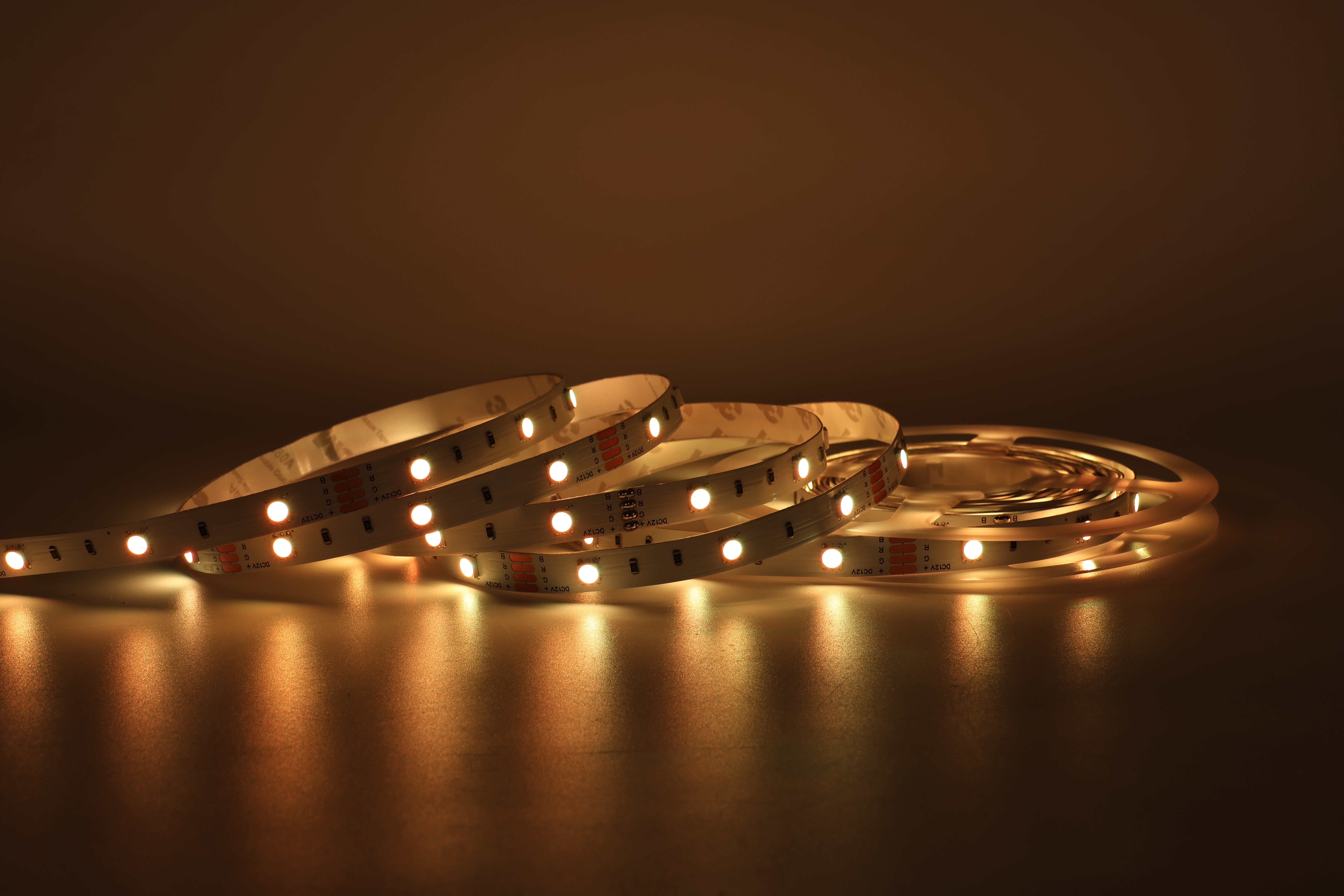
LED tape represents one of the most versatile and innovative lighting solutions available today for both residential and commercial applications. Often referred to as flexible LED strips or LED ribbon lights, LED tape consists of thin, flexible circuit boards embedded with light-emitting diodes that can bend, curve, and conform to virtually any surface or shape. Unlike traditional rigid lighting fixtures, LED tape offers unprecedented design flexibility, making it an ideal choice for under-cabinet illumination, architectural accent lighting, display cases, and creative ambient environments. Understanding what LED tape is and how it functions provides the foundation for leveraging this technology effectively in modern lighting design.
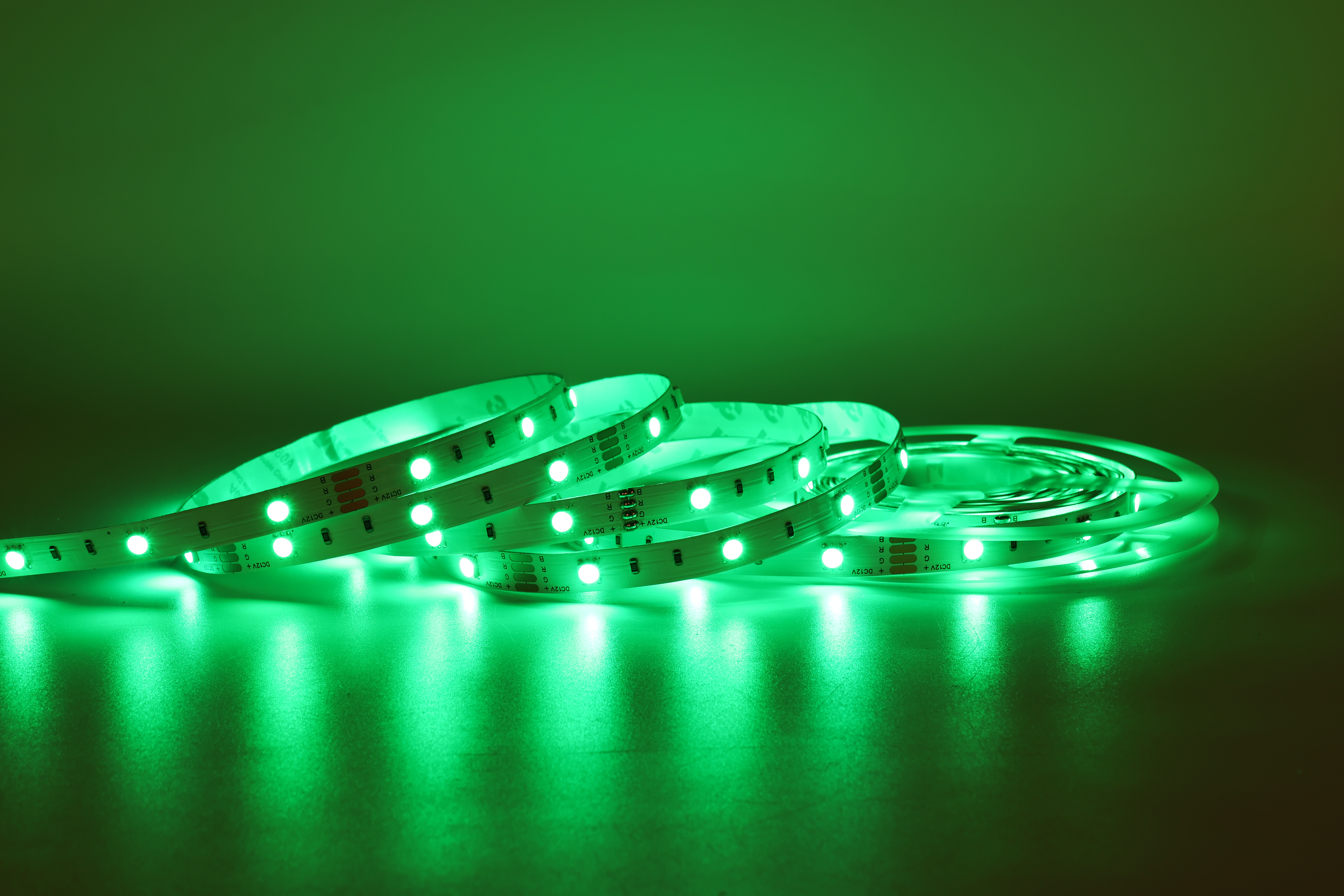
The fundamental appeal of LED tape lies in its adaptability and energy efficiency. These flexible LED strips deliver consistent, long-lasting illumination while consuming significantly less power than conventional halogen or incandescent alternatives. Whether you need RGB tape lighting for dynamic color-changing effects, RGB tape lighting for mood enhancement, or simple white-light solutions for task areas, LED tape accommodates diverse lighting needs within a single product category. Modern addressable LED tape technology elevates this versatility further by enabling independent control of individual LEDs or LED segments, creating possibilities for sophisticated lighting patterns, animations, and synchronized displays. The combination of flexibility, energy savings, and technological sophistication has made LED tape an essential component in professional lighting design and DIY projects alike.
Understanding LED Tape Construction and Components
Core Materials and Circuit Design
LED tape comprises several key structural and electrical components working in concert. The foundation is a flexible polyimide or PCB substrate, typically 8 to 10 millimeters wide and just 2 to 3 millimeters thick, that provides mechanical support while remaining bendable and stretchable. Embedded within this substrate are clusters of SMD (surface-mount device) LEDs, resistors, capacitors, and conductive copper traces that form the electrical pathway. The led tape is typically backed with 3M adhesive or similar self-adhesive material, enabling quick installation on clean, flat, or gently curved surfaces without additional fasteners. The flexible nature of this construction allows installers to route the tape around corners, down recessed areas, and along complex architectural features while maintaining consistent electrical performance.
Power Supply and Control Systems
Most flexible LED strips operate on low-voltage DC power, typically 12 volts or 24 volts, supplied through external power adapters or integrated drivers. This low-voltage design enhances safety and compatibility with residential and commercial installations. Standard LED tape requires only a simple connection to power, while addressable LED tape incorporates programmable microcontrollers that enable pixel-level control via protocols like WS2812B or similar standards. RGB tape lighting systems include a dedicated controller unit that accepts input signals from remotes, dimmers, or smart home systems, allowing users to adjust color, brightness, and effects remotely. Understanding these power and control requirements is essential for selecting the right flexible LED strips for your specific application and ensuring proper installation.
How LED Tape Functions and Delivers Light
Light Emission and Color Production
LEDs emit light through electroluminescence when electrical current flows through a semiconductor junction, producing photons in the visible spectrum. In standard LED tape, all diodes operate as a single circuit, with current flowing sequentially through multiple LEDs in series and parallel configurations. Addressable LED tape, by contrast, contains built-in drivers for each LED or LED cluster, permitting independent control and color mixing at each point along the strip. RGB tape lighting integrates red, green, and blue diodes within each pixel or cluster, and by varying the intensity of each color channel, the system produces any color across the full RGB spectrum. Warm white, cool white, tunable white, and full-color options are all achievable through this fundamental principle of mixing and controlling individual LED outputs. The brightness and color consistency of flexible LED strips depend on the quality of components, the efficiency of thermal management, and the precision of the driver circuitry.
Efficiency and Longevity
LED tape delivers superior energy efficiency compared to older lighting technologies, converting 70 to 90 percent of electrical input into usable light rather than heat. This efficiency translates to lower electricity consumption, reduced operational costs, and minimal thermal output, making LED tape suitable for temperature-sensitive environments and continuous operation. The typical lifespan of modern addressable LED tape and flexible LED strips ranges from 50,000 to 100,000 operating hours, far exceeding traditional bulbs and reducing maintenance frequency. Quality thermal design, including aluminum backing plates or conductive substrate materials, helps dissipate residual heat and extends longevity further. For permanent installations or high-visibility applications, this combination of efficiency and durability makes LED tape a cost-effective investment over its lifecycle.
Applications and Practical Considerations for LED Tape
Common Installation Scenarios
LED tape is widely deployed in under-cabinet kitchen lighting, where RGB tape lighting or warm white options illuminate countertops and work surfaces while creating an upscale aesthetic. Architectural accent lighting, display case illumination, retail shelf edge highlighting, and commercial signage represent other mainstream applications where the flexibility and low profile of flexible LED strips excel. Residential uses include ambient bedroom lighting, entertainment center backlighting, and creative accent installations around mirrors, artwork, or architectural features. Professional environments such as photography studios, television production sets, and gallery spaces leverage the color accuracy and dimming precision of RGB tape lighting or addressable LED tape for demanding lighting control. Understanding your specific application determines the appropriate LED tape specification, control system, and installation method.
Installation and Compatibility Factors
Successful LED tape installation requires clean, dry surfaces free of dust and oils to ensure proper adhesive contact. Most flexible LED strips come pre-cut at marked intervals, allowing custom lengths to fit your space precisely. Electrical connections typically use simple plug connectors or soldered joints, depending on the system design, and most addressable LED tape systems include color-coded wiring that simplifies hookup. Thermal considerations matter in enclosed or high-temperature spaces; adequate airflow and proper mounting prevent heat accumulation that could shorten lifespan. Compatibility with existing smart home systems, dimmers, or control infrastructure should be verified before purchase. Testing the LED tape in its intended location before permanent installation helps confirm color quality, brightness levels, and control responsiveness.
FAQ
Can you cut LED tape to custom lengths?
Yes, most flexible LED strips are marked with cutting lines that indicate safe points where you can trim the tape to your desired length. After cutting, the exposed contacts typically require either soldering or connector adapters to re-establish the electrical circuit. Always consult the manufacturer's instructions before cutting, as some addressable LED tape designs have specific cutting requirements to maintain functionality.
What is the difference between RGB tape lighting and addressable LED tape?
RGB tape lighting accepts color commands as a whole unit, meaning all LEDs display the same color simultaneously. Addressable LED tape contains individual controllers for each LED or segment, enabling independent color and brightness control across different points along the strip. This distinction makes addressable LED tape ideal for animated effects and complex lighting patterns, while RGB tape lighting suits simpler color-changing applications.
How long do flexible LED strips typically last?
Quality LED tape usually provides 50,000 to 100,000 hours of continuous operation, equating to 5 to 11 years in typical use. Lifespan depends on component quality, thermal management, operating temperature, and duty cycle. Ensuring proper ventilation and avoiding extreme temperatures helps maximize the operational life of your flexible LED strips.
 EN