 EN

what-is-rgbic-led-strip-and-how-does-it-work, what-is-rgbic-led-strip-and-how-does-it-work, /technical-insights
EN
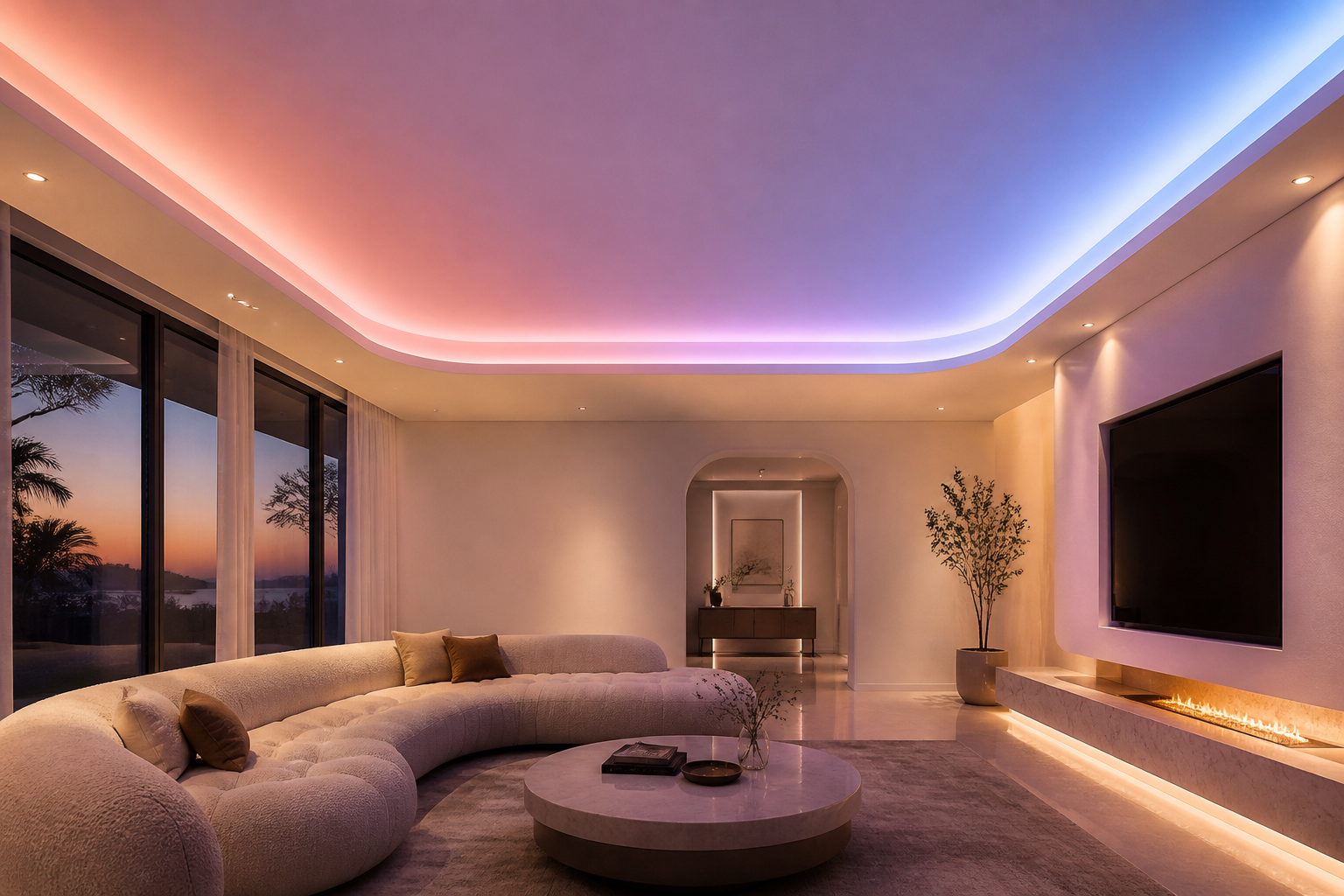
An RGBIC LED strip represents one of the most advanced forms of intelligent lighting technology available today. Unlike traditional RGB strips that control color uniformly across the entire length, an RGBIC LED strip allows individual pixels along the strip to display different colors and effects simultaneously. This pixel-level control transforms how architects, designers, and consumers approach dynamic lighting projects. Understanding what makes an RGBIC LED strip unique and how it functions is essential for anyone considering modern addressable rgb led strip solutions for residential, commercial, or outdoor applications.
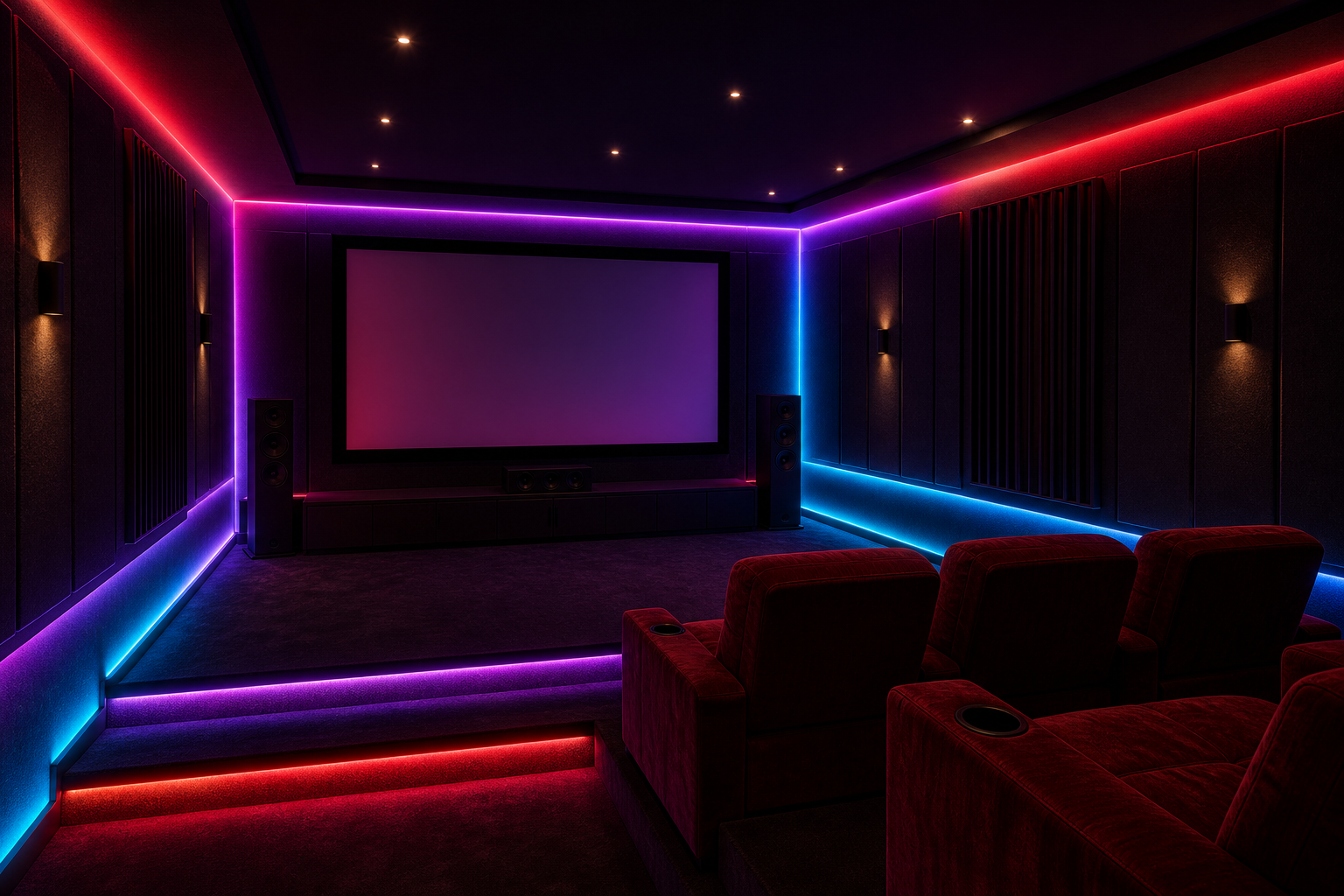
The term 'RGBIC' stands for 'Red-Green-Blue Integrated Circuit,' emphasizing the embedded intelligence within each LED node. This rgbic led strip technology combines full-color RGB capability with independent digital addressing, meaning each pixel can receive unique color commands without affecting adjacent LEDs. This fundamental difference from older parallel-control RGB systems enables creative, complex lighting patterns that were previously impossible. The result is a programmable led strip lights solution that delivers unprecedented flexibility for both permanent installations and temporary event lighting.
At the heart of every addressable rgb led strip lies a chain of addressable LEDs connected in series. Each LED contains a small microcontroller that receives digital signals from a main controller, then passes remaining instructions down the chain to the next pixel. This 'daisy-chain' architecture eliminates the need for separate control wires to each pixel, dramatically reducing installation complexity. The signal travels sequentially, allowing each LED to recognize its position and accept color commands specific to that address. This intelligent smart rgb led lighting approach enables simultaneous control of hundreds or even thousands of pixels through a single data line.
Every LED in a programmable led strip lights system contains three diodes—red, green, and blue—whose brightness can be adjusted independently on a scale typically from 0 to 255. By mixing these three primary colors at varying intensities, the strip can reproduce virtually any color within the RGB spectrum. The addressable technology ensures that one pixel displays pure red while the adjacent pixel shows cyan, and the next shows purple, all at the same time. This granular control creates depth, movement, and visual complexity that transforms lighting from static ambiance to dynamic, engaging visual effects. Smart rgb led lighting of this caliber opens possibilities for immersive architectural lighting, themed environments, and entertainment applications.
Communication between the controller and an addressable rgb led strip occurs through standardized digital protocols, most commonly using WS2812, SK6812, or similar chipsets. These protocols transmit color data as rapid electrical pulses that specify the red, green, and blue intensity for each pixel. The first pixel in the chain reads its assigned data, then passes the remainder down to the next pixel, which repeats the process. Refresh rates typically occur 30–60 times per second, fast enough that the human eye perceives smooth color transitions rather than individual updates. This rgbic led strip communication happens over just one or two data lines, making installation and integration remarkably simple compared to older parallel RGB systems.
Each pixel in a smart rgb led lighting strip draws power based on its instantaneous color state. A pixel displaying white at full brightness consumes roughly three times the power of a pixel displaying a single dim color. Proper power supply sizing is critical; undersized power supplies create voltage drop across long strips, resulting in color inaccuracy at the far end. Most professional programmable led strip lights installations use multiple power injection points to maintain consistent voltage. LED efficiency in these systems has improved dramatically over recent years, with modern RGBIC strips offering superior efficiency compared to older LED technologies while delivering brighter, more vibrant colors.
The dynamic capability of addressable rgb led strip technology makes it ideal for concerts, theatrical productions, theme parks, and corporate events. Lighting designers can choreograph complex pixel patterns synchronized with music or motion, creating immersive visual experiences impossible with traditional fixed lighting. Each moment can feature a unique color palette, sweep effect, or pulsing animation. The flexibility allows rapid reprrogramming between different performances or events, providing exceptional return on investment for venues operating multiple shows. Smart rgb led lighting systems have become standard in professional entertainment settings worldwide.
Consumer applications of programmable led strip lights have expanded dramatically with smartphone apps, voice control compatibility, and preset effect libraries. Homeowners can install addressable rgb led strip products around architectural features, shelving, or outdoor spaces, then control colors and effects through their phone, voice assistant, or scheduling automation. Many modern systems include thousands of preset effects ranging from subtle ambient transitions to vibrant party animations. Integration with home automation platforms allows lighting to respond to time of day, room occupancy, or smart home routines, delivering personalized ambiance tailored to individual preferences and energy schedules.
Standard RGB strips use parallel wiring where all red diodes connect to one wire, all green to another, and all blue to a third. This means every pixel displays the same color simultaneously. An RGBIC LED strip, by contrast, uses serial communication with an integrated microcontroller in each pixel, allowing independent color control. This addressable architecture is what enables the 'pixel-by-pixel' effects that standard RGB cannot achieve. The addressable rgb led strip technology represents a fundamental advancement in control flexibility and creative potential.
A single data line from one controller can typically address 100 to 500 pixels without signal degradation, depending on the specific protocol and timing. Longer strips require either multiple controllers or power injection at intermediate points to maintain signal integrity. Professional installations of programmable led strip lights often use multiple controllers coordinated to manage very long runs or complex zoning. Most consumer applications fall well within a single controller's capability, making smart rgb led lighting accessible without specialized expertise.
A full-brightness white pixel in an rgbic led strip typically consumes 60 to 150 milliwatts, depending on LED size and quality. Practical consumption is often lower because pixels rarely display full white simultaneously. For a 5-meter addressable rgb led strip with 60 pixels running typical mixed colors, expect average power draw between 10 and 30 watts. This efficiency makes programmable led strip lights practical for battery operation, outdoor solar installation, and integration into energy-conscious smart home systems.
