 EN

what-makes-led-tape-ideal-for-modern-interior-design, what-makes-led-tape-ideal-for-modern-interior-design, /technical-insights
EN
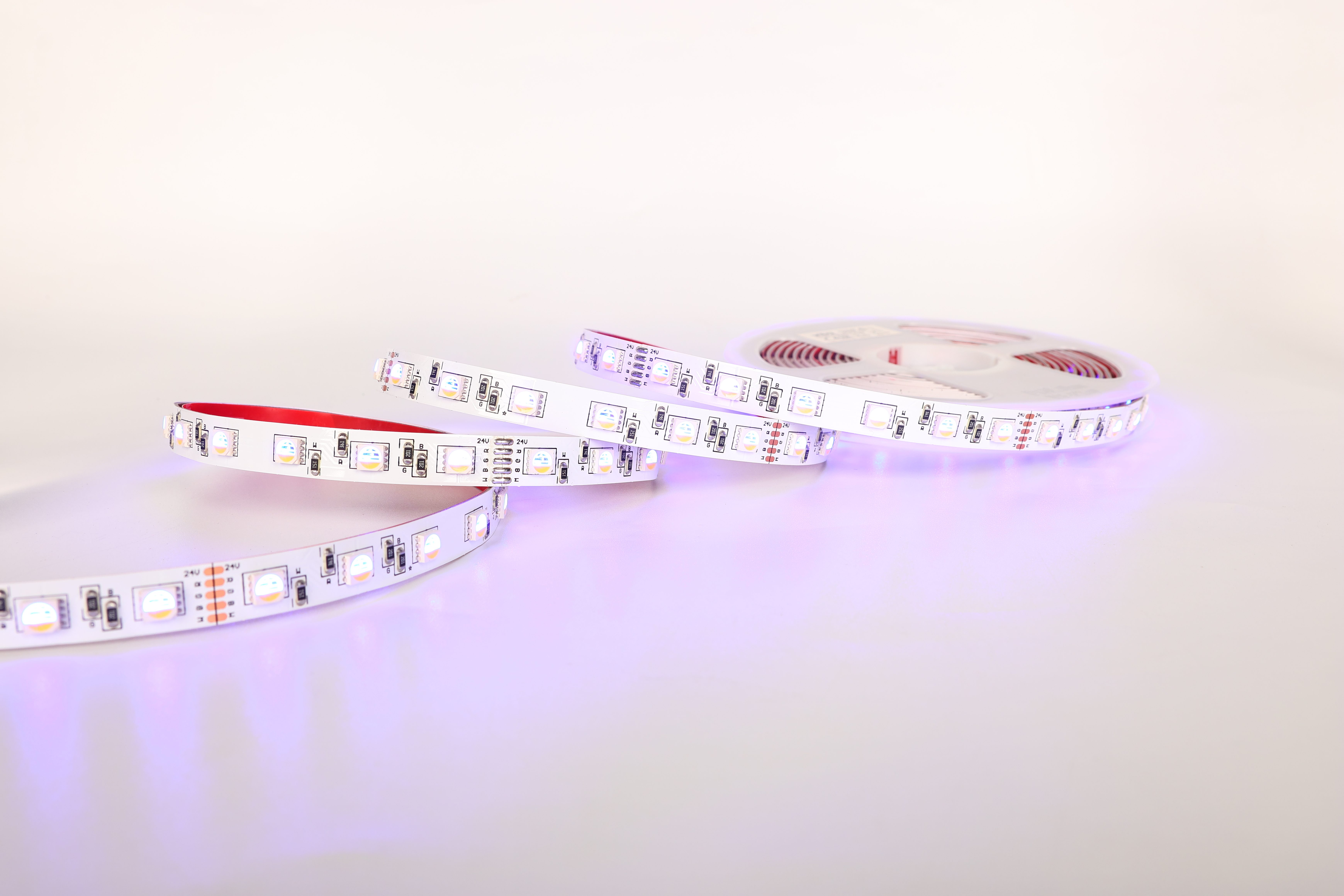
Modern interior design demands flexibility, aesthetics, and practical lighting solutions that traditional fixtures simply cannot deliver. LED tape has revolutionized how designers approach ambient, accent, and task lighting in residential and commercial spaces. Unlike bulky luminaires or rigid track systems, flexible LED strips conform to architectural curves, architectural edges, and concealed cavities, offering unprecedented creative freedom. This transformation reflects a fundamental shift toward integrated lighting design that prioritizes both form and function.
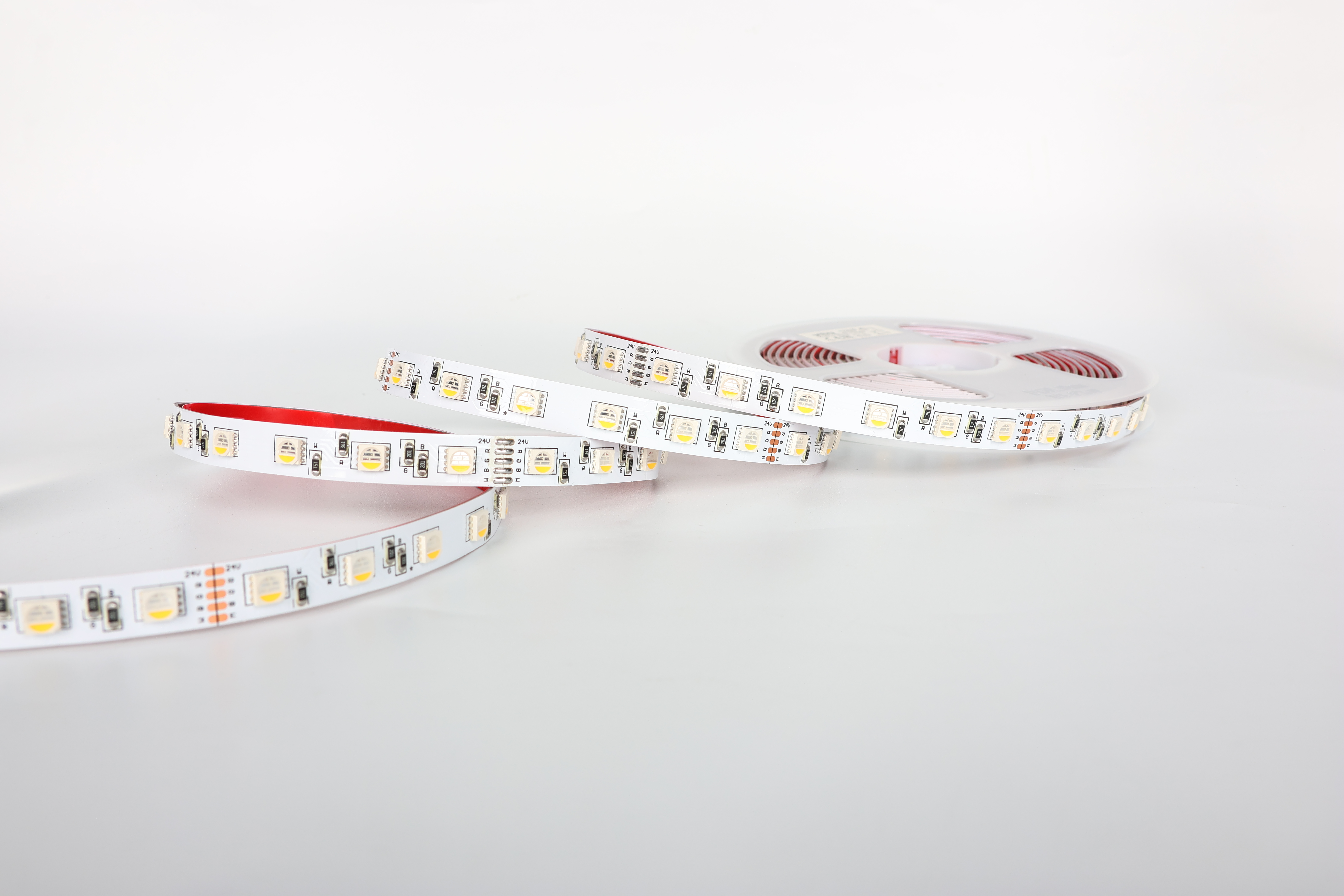
The appeal of LED tape extends beyond mere convenience. Addressable LED tape systems, coupled with RGB tape lighting options, empower designers to craft layered lighting compositions that respond to time, mood, and function. Whether illuminating kitchen undersides, accentuating architectural features, or creating dynamic accent walls, flexible LED strips deliver precision, efficiency, and visual impact. This article explores why LED tape has become the material of choice for contemporary interior environments and how its technical capabilities align with modern design philosophy.
The fundamental advantage of flexible LED strips lies in their capacity to follow any surface contour. Traditional recessed fixtures require structural planning and installation before drywall closure, limiting design iteration. In contrast, flexible LED strips adhere to existing surfaces, mount inside cove moldings, wrap around columns, and trace architectural transitions without compromise. This adaptability transforms interior spaces by enabling hidden or semi-concealed illumination that appears to emanate from the architecture itself rather than from visible fixtures.
Designers leverage flexible LED strips to create seamless light transitions in open-concept living areas, define spatial zones without visible boundaries, and highlight textural elements such as wood paneling, exposed brick, or feature walls. The self-adhesive backing standard on premium flexible LED strips eliminates installation friction, making retrofits and design adjustments feasible within project timelines and budgets. This ease of deployment encourages experimental lighting layers that evolve with occupant needs.
RGB tape lighting introduces chromatic versatility previously unavailable in fixed-temperature luminaires. Modern RGB tape lighting systems offer millions of color combinations, enabling designers to establish signature environmental identities for hospitality venues, retail environments, and residential sanctuaries. Beyond static color selection, dynamic RGB systems respond to time-of-day schedules, circadian rhythm protocols, and occupant interaction, reinforcing biophilic design principles within enclosed interiors.
The psychological impact of color-variable lighting extends to health and comfort metrics. Warm color temperatures in morning and evening hours support natural sleep cycles, while cooler tones during working hours enhance focus and alertness. RGB tape lighting systems bridge the gap between aesthetic desire and evidence-based occupant well-being, positioning color-tunable illumination as a performance amenity rather than a decorative indulgence.
Addressable LED tape represents the pinnacle of lighting control sophistication. Unlike traditional tape systems where all diodes respond uniformly, addressable LED tape allows individual pixel control, enabling complex sequences, animated transitions, and localized dimming. This pixel-level precision opens possibilities for architectural storytelling, where lighting choreography reinforces spatial function or responds to building systems in real-time.
Integration with smart home ecosystems amplifies the utility of addressable LED tape in modern interiors. Voice commands, smartphone apps, and automated routines synchronize lighting with occupant behavior, environmental conditions, and temporal markers. Commercial applications benefit equally, with addressable systems enabling occupancy-based controls, energy-demand flexibility, and emergency egress indication managed through centralized platforms. The convergence of control intelligence and flexible LED strips positions these systems as essential components within broader building automation strategies.
LED technology inherently consumes 75 to 80 percent less energy than incandescent equivalents, directly lowering operational costs and environmental impact. Flexible LED strips concentrate light output toward intended surfaces, eliminating waste-light dispersal that plague omnidirectional bulbs. This directional efficiency means designers achieve target illumination levels with lower absolute wattage, compounding sustainability gains. Premium flexible LED strips operate at stable color rendering index values, ensuring color accuracy and visual comfort across extended hours without flicker or spectral degradation.
Lifecycle benefits compound over multi-year occupancy periods. Quality LED tape maintains 90 percent light output over 50,000 operating hours, translating to 15 to 20 years of reliable service in residential settings. Reduced maintenance cycles eliminate replacement labor, inventory management, and disposed fixture waste. The longevity profile of addressable LED tape and RGB tape lighting systems justifies higher initial investment through dramatically lower total cost of ownership, appealing to sustainability-conscious designers and economically rational building operators alike.
In residential settings, LED tape transforms utilitarian spaces into curated experiences. Under-cabinet kitchen lighting from flexible LED strips eliminates shadowing during food preparation while adding visual warmth to cooking zones. Bedroom cove illumination from RGB tape lighting enables occupants to establish calming presleep routines and energizing morning sequences without ceiling-level fixtures intruding on visual space. Bathroom vanity backlighting from addressable LED tape improves grooming task performance and adds luxury ambiance simultaneously.
The personalization potential of color-variable LED tape appeals to homeowners seeking to reflect individual style preferences and adapt lighting moods seasonally. Unlike permanent fixture installations, flexible LED strips permit experimentation, relocation, and seasonal refresh without professional intervention, democratizing advanced lighting design for diverse skill levels and budgets.
Hospitality and retail environments leverage RGB tape lighting to establish branded atmospheric conditions. Restaurant perimeter lighting from flexible LED strips emphasizes architectural features and menu presentation surfaces, guiding visual hierarchy while serving wayfinding functions. Hotel corridor and stairwell installations benefit from addressable LED tape capable of differentiating floor levels, emergency egress indicators, and ambient mood sequences that enhance guest perception of space quality and safety.
Commercial offices increasingly adopt LED tape systems to support wellness initiatives, biophilic design principles, and employee satisfaction metrics. Flexible LED strips integrated into ceiling coves, architectural reveals, and workspace boundaries create layered illumination environments that reduce eye strain, support circadian alignment, and differentiate collaborative zones from focused-work areas. The scalability and control capability of addressable LED tape enable facility managers to optimize energy usage across diverse spatial functions and occupancy patterns throughout operational hours.
Flexible LED strips conform to any surface, install without structural modification, support hidden placement for seamless integration, and permit design changes after installation. Traditional recessed lights require permanent structural planning and cannot be repositioned. LED tape also enables accent and ambient layering impossible with fixed point-source fixtures, delivering superior design flexibility and adaptability to evolving preferences.
Yes, modern addressable LED tape systems connect to mainstream smart home platforms including voice assistants, mobile applications, and automation hubs. Integration protocols support scheduling, occupancy-based control, circadian routines, and emergency coordination across multi-zone installations. Compatibility varies by manufacturer, so specification during selection ensures seamless ecosystem integration and long-term software support.
RGB tape lighting consumes minimal additional energy compared to single-color flexible LED strips. The directional output of LED tape reduces wasted illumination, and color-tuning capabilities enable optimized intensity levels for specific tasks or moods, lowering absolute wattage requirements. Over 15 to 20 year lifecycles, energy savings typically recover initial investment within 2 to 4 years while providing superior performance and control compared to traditional dimmable systems.
