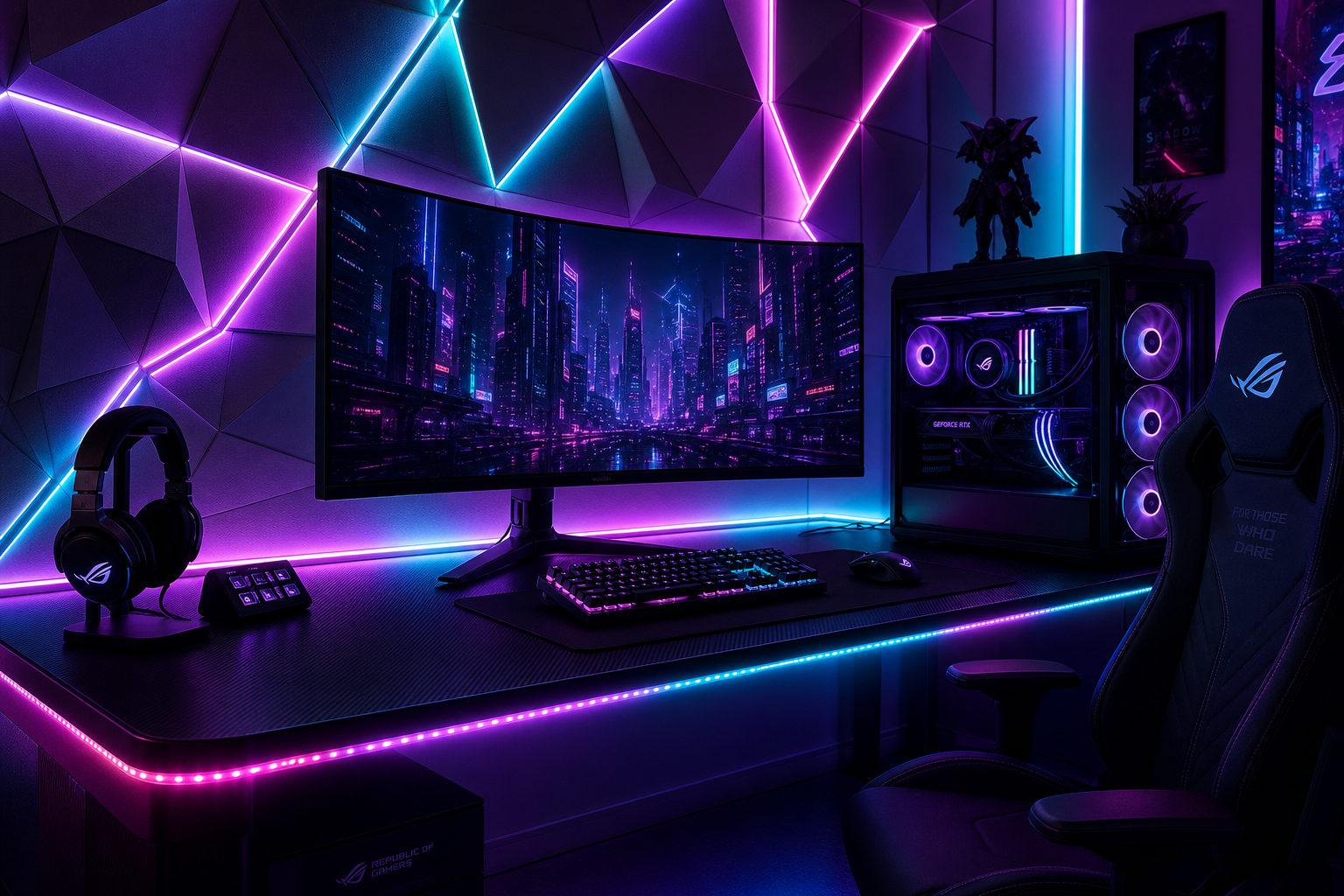
Selecting the correct power supply for led strip lights is fundamental to ensuring reliable performance, longevity, and safety in any installation. Many users overlook this critical component, assuming any standard power adapter will suffice. However, mismatched power supplies can lead to flickering, color inconsistency, reduced lifespan, and potential fire hazards. Understanding the electrical requirements of your lighting system ensures optimal brightness, color accuracy, and system stability.
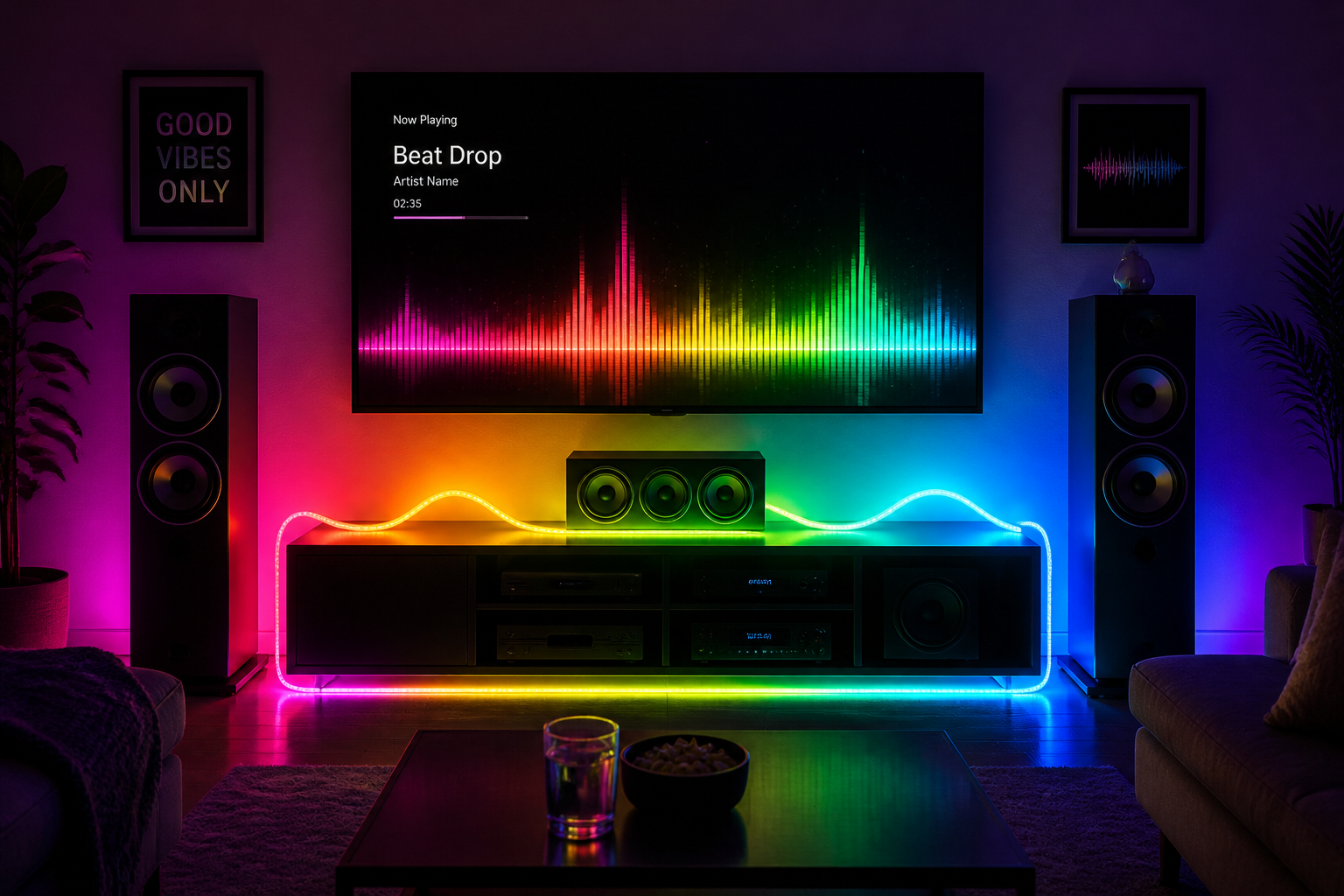
Whether you are implementing flexible lighting solutions for under-cabinet applications, accent lighting, or architectural installations, the power supply must match the specific voltage, current capacity, and configuration of your LED strips. This guide walks you through the essential calculations, component selection, and best practices for powering adhesive tape lighting systems effectively. By the end, you will understand exactly what your color changing light strips require and how to avoid costly mistakes.
Understanding Voltage Requirements for LED Strips
Common Voltage Standards
Most LED strip lights operate at either 12V DC or 24V DC, with 24V becoming increasingly popular for longer runs and commercial applications. Single-color and color changing light strips typically use these low-voltage standards to ensure user safety and reduced electromagnetic interference. Determining your strip's voltage is the first step in selecting the appropriate power supply, as connecting incorrect voltage will damage the LEDs immediately or degrade performance significantly over time.
Voltage Drop Considerations
When planning flexible lighting solutions over extended distances, voltage drop becomes critical. Voltage naturally decreases as current travels through copper wiring, and longer runs—particularly beyond 16 feet—may require a higher-capacity supply or thicker wire gauge. For adhesive tape lighting installations in commercial kitchens, display cases, or architectural applications, calculating expected voltage drop ensures consistent brightness across the entire run. Using a dedicated power supply calculator or consulting manufacturer specifications prevents undersized systems that perform poorly.
Calculating Power and Current Requirements
Wattage and Amperage Calculations
Each LED strip consumes power measured in watts per meter or per segment. Color changing light strips typically draw 5 to 15 watts per meter depending on LED density, brightness level, and RGB controller settings. To calculate total wattage, multiply the power consumption per meter by the total length of strips you plan to install. Once you have the total wattage, divide by your system voltage—either 12V or 24V—to determine the required amperage. Always select a power supply rated for at least 20 percent more amperage than your calculated requirement to provide headroom and prevent thermal stress.
Oversizing for Reliability
Undersized power supplies operate at maximum capacity continuously, generating excessive heat and shortening lifespan dramatically. For flexible lighting solutions in residential or commercial settings, selecting a supply with 25 to 30 percent capacity margin ensures the system runs cooler, more efficiently, and with greater longevity. This is especially important for color changing light strips that may operate at full brightness for extended periods during holidays, events, or high-demand seasons. A quality power supply rated for your calculated wattage plus margin will outperform cheaper alternatives by years.
Choosing the Right Power Supply Type
Standard Regulated Power Supplies
Regulated DC power supplies deliver consistent voltage output regardless of load fluctuations, making them ideal for adhesive tape lighting systems that require stable color and brightness. These supplies protect against input voltage variations and provide built-in protections against short circuits and overload conditions. For most residential and light commercial installations of color changing light strips, a certified regulated supply with UL or CE marking ensures safety, reliability, and compatibility with modern control systems and dimmers.
Mean Well and Industrial-Grade Solutions
For large-scale deployments or mission-critical installations, industrial-grade power supplies offer superior efficiency, cooling, and longevity. These supplies often feature wider input voltage ranges, active power factor correction, and programmable outputs—beneficial when planning multiple LED strip lights circuits or complex flexible lighting solutions. While more expensive than consumer-grade alternatives, industrial supplies justify their cost through reduced maintenance, fewer replacement cycles, and better performance consistency. Commercial projects, architectural installations, and integrated smart lighting systems benefit significantly from these robust options.
Installation and Safety Considerations
Proper Wiring and Connection Practices
After selecting the correct power supply for your LED strip lights, proper installation is equally critical. Use appropriately sized wire gauge matched to your amperage requirements—undersized wires generate dangerous heat and increase voltage drop. Solder or crimp all connections securely; loose connections introduce resistance and create fire hazards. For adhesive tape lighting in humid environments like bathrooms or kitchens, ensure all connectors are rated for moisture exposure. Double-check polarity before powering on, as reversed polarity will destroy LEDs instantly.
Thermal Management and Environmental Protection
Position your power supply in well-ventilated locations away from moisture, extreme temperatures, and flammable materials. Even quality regulated supplies generate some heat during operation, particularly when powering large installations of color changing light strips at full brightness. Ensure adequate airflow around the supply casing, avoid stacking components, and consider mounting supplies outside the display area if space permits. For flexible lighting solutions in enclosed cabinets or tight architectural spaces, external supply placement prevents thermal accumulation and improves overall system reliability.
FAQ
Can I use a standard USB power adapter for LED strip lights?
No. USB adapters typically deliver 5V at limited amperage, insufficient for most LED strip lights that require 12V or 24V DC at higher current capacities. Using an undersized adapter causes flickering, dim output, and rapid component failure. Always use a power supply specifically rated for your strip's voltage and amperage requirements to ensure safe, reliable operation.
What happens if I oversize my power supply too much?
Oversizing by 25 to 30 percent is recommended and causes no harm—it actually improves longevity by reducing thermal stress on the supply. However, excessively oversized supplies waste energy and cost more than necessary. For flexible lighting solutions, aim for a supply rated 20 to 30 percent above your calculated wattage rather than double or triple capacity.
Are dimmable power supplies necessary for color changing light strips?
Dimmable supplies are beneficial if you want to adjust brightness or color intensity, but many adhesive tape lighting systems use separate RGB controllers that handle dimming independently. Check whether your color changing light strips include built-in controllers; if so, your main power supply can be non-dimmable. Dimmable supplies offer flexibility and integration with smart home systems, making them a worthwhile investment for advanced installations.
 EN