 EN

what-power-supply-do-led-strip-lights-require, what-power-supply-do-led-strip-lights-require, /technical-insights
EN
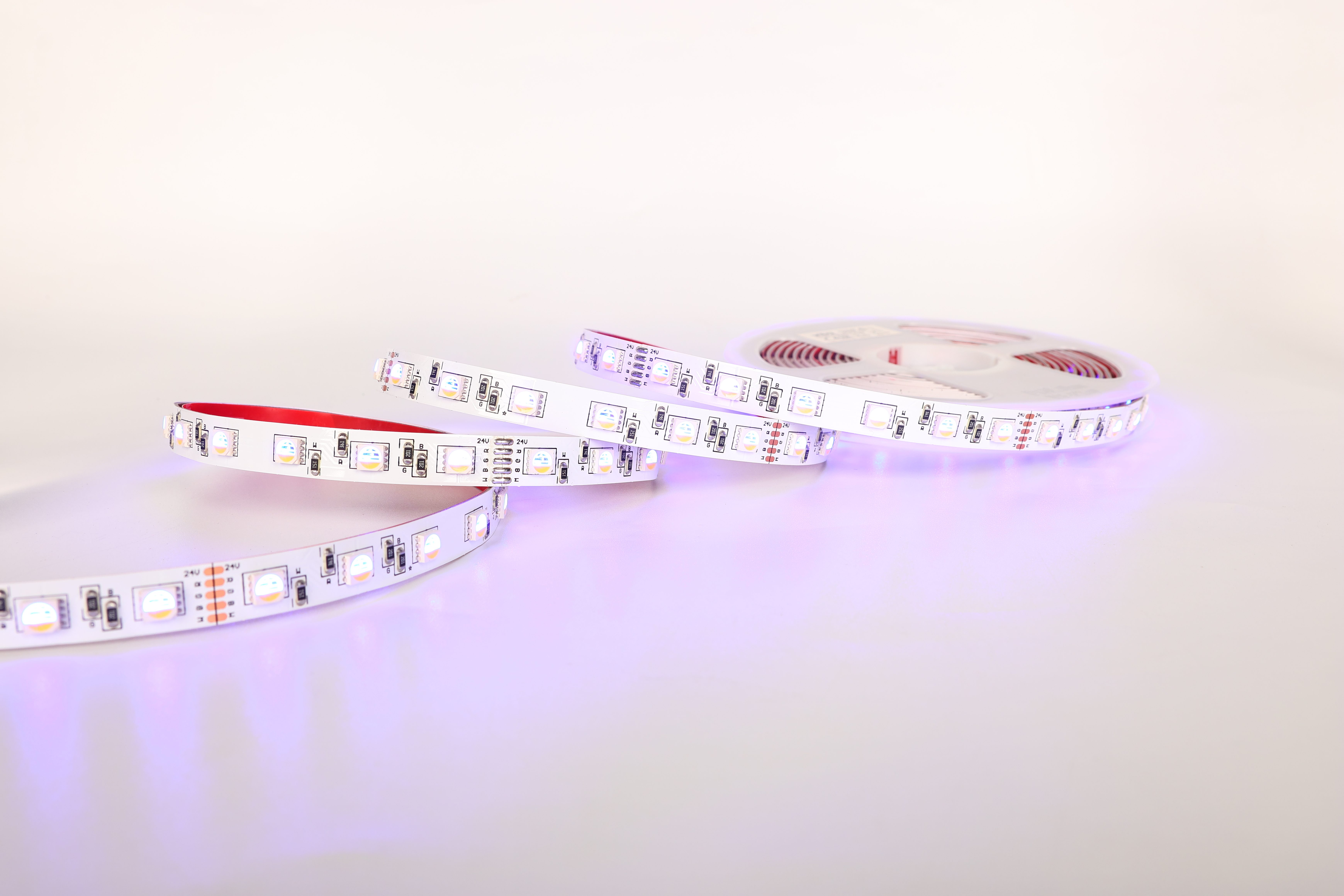
Selecting the correct power supply for led strip lights is fundamental to ensuring reliable operation, longevity, and safety in any installation. Whether you're designing flexible lighting solutions for residential spaces, commercial environments, or industrial applications, understanding power requirements prevents costly failures and maintains consistent performance. The power supply must match the specific voltage, amperage, and wattage demands of your adhesive tape lighting system to avoid undersizing, overheating, or premature component degradation.
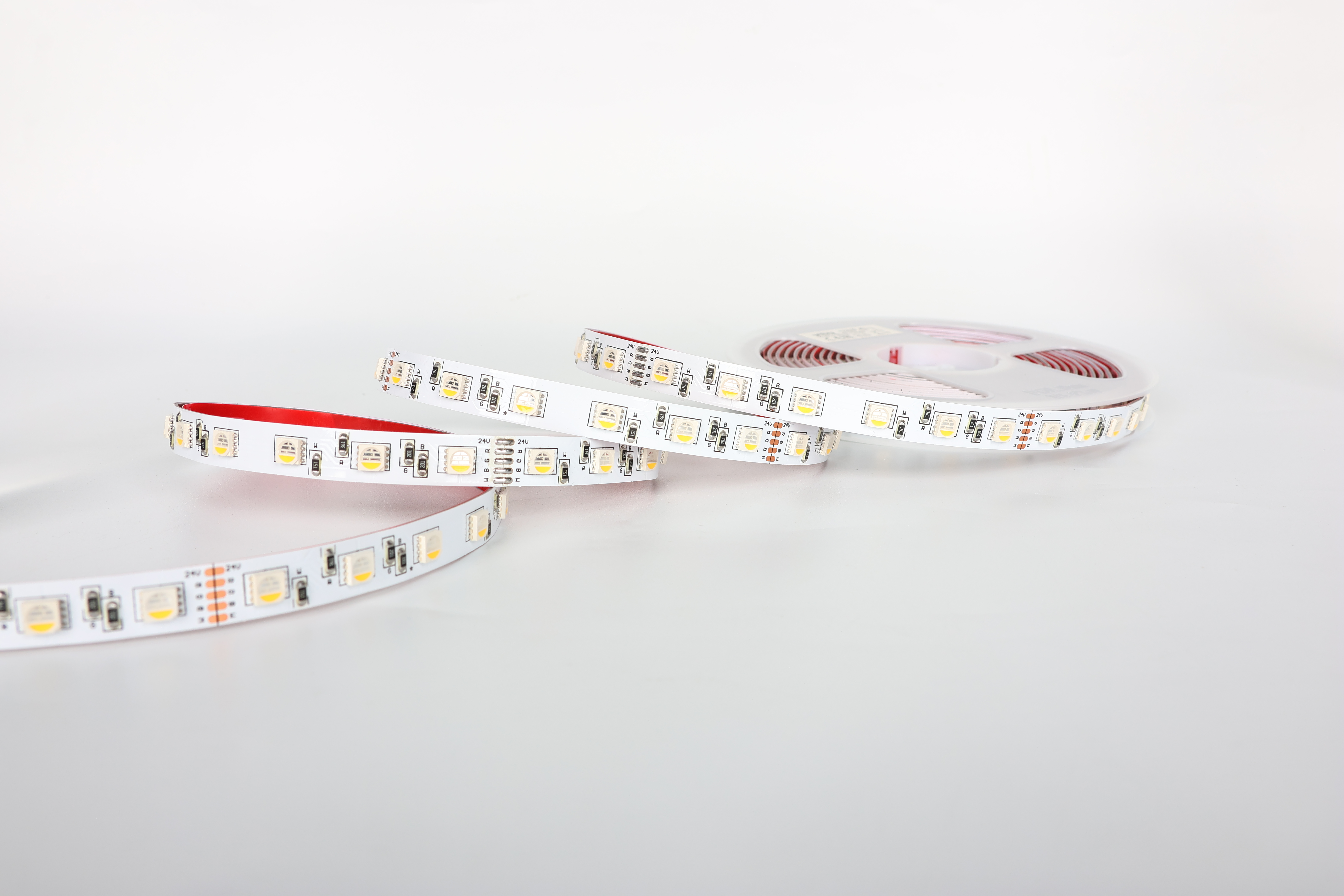
Modern LED strip lights come in diverse configurations, each with distinct electrical specifications. Color changing light strips, dimming-compatible models, and high-output variants all demand precise power delivery to function safely and efficiently. Understanding voltage standards, calculating total wattage requirements, and choosing appropriate connector types ensures your flexible lighting solutions perform optimally throughout their lifespan. This guide walks through essential power supply considerations so you can confidently specify and implement the right solution for your project.
LED strip lights typically operate at standardized low-voltage DC ratings, most commonly 12V or 24V direct current. The 12V system remains popular for smaller installations and residential applications due to lower cost and simpler circuit design. However, 24V has become increasingly dominant in professional installations, particularly for longer runs and higher power applications. Understanding your led strip lights voltage requirement is the first step in selecting appropriate power equipment and calculating safe wire gauges for your installation layout.
The voltage rating is printed on the strip itself, on packaging, and in technical specifications. Applying incorrect voltage damages LEDs immediately or causes premature failure. A 12V strip supplied with 24V will overheat and fail within minutes. Conversely, underpowering a 24V system results in dim output, color inconsistency, and potential damage to control circuitry. Always verify the exact voltage requirement before purchasing or connecting any power supply to your adhesive tape lighting system.
Voltage drop becomes critical when running led strip lights over longer distances from the power supply. Current traveling through wire resistance causes voltage to diminish along the circuit. For instance, a 24V strip located 15 meters away may receive only 20V if the wire gauge is too small. This voltage drop reduces brightness, causes color shifting in color changing light strips, and stresses power delivery components. Proper wire sizing based on run length prevents these issues and ensures consistent performance across the entire flexible lighting installation.
Calculate required wire gauge using the voltage drop formula or reference charts specific to your system voltage and total run length. Generally, runs under 5 meters use 18-20 AWG wire, while 10-15 meter runs require 14-16 AWG, and runs exceeding 15 meters may need 12 AWG or larger conductors. Oversizing wire prevents efficiency losses and maintains consistent brightness across all adhesive tape lighting sections, particularly important for color-critical or high-end installations.
Each LED strip light consumes power measured in watts per meter, typically ranging from 4 to 15 watts per meter depending on LED density, brightness, and color specifications. Multiply the strip length in meters by the per-meter wattage to calculate total power consumption. For example, a 5-meter strip rated at 10W/m requires 50 watts. Always add a safety margin of 15-20 percent when sizing your power supply. Using a 60W supply instead of 50W ensures the unit operates within comfortable operating range and reduces thermal stress on power supply components, extending overall system lifespan and reliability.
Amperage is calculated by dividing total watts by the system voltage. A 50W system at 12V draws 4.17 amps, while the same 50W system at 24V draws only 2.08 amps. This demonstrates why 24V systems offer advantages for longer installations and higher power applications. When selecting a power supply, ensure its amperage rating exceeds your calculated draw. A 24V/3A supply provides 72W maximum capacity, comfortably handling the 50W example. Color changing light strips and dimming-compatible models may have additional control circuitry that slightly increases power consumption, so account for this in your calculations.
Quality power supplies specify both continuous and peak power ratings. Continuous rating indicates sustained power delivery, while peak rating represents brief maximum output for system startup or transient loads. Always size your power supply based on continuous rating to avoid thermal degradation. Running at continuous rating limits ensures the unit operates within design parameters without overheating or reducing lifespan. A power supply rated for 120W continuous may advertise 150W peak, but relying on peak rating for flexible lighting solutions results in inadequate performance and premature failure.
Professional installations use dedicated power supplies designed for LED applications rather than generic DC supplies. These purpose-built units include protection features such as thermal shutdown, short-circuit protection, and over-voltage compensation. When your adhesive tape lighting system includes control electronics for color changing light strips or dimming functions, ensure the power supply accommodates control circuit current draw in addition to LED strand consumption. Add 10-15 percent additional capacity beyond LED calculations to account for control overhead safely.
LED strip lights use several standardized connector formats for power delivery and signal control. Barrel connectors remain common for simple two-wire DC connections, with 2.1mm and 2.5mm barrel connectors handling applications up to approximately 3 amps. JST connectors provide compact connections suitable for smaller installations and flexible lighting solutions requiring frequent connection changes. Terminal block connectors offer tool-free installation and removal, making them popular in commercial environments where maintenance and reconfiguration are frequent requirements for adhesive tape lighting systems.
Higher-amperage applications use larger connectors such as Anderson PowerPole or XT connectors, capable of handling 20+ amps safely. When color changing light strips include additional signal lines for RGB control, connectors must accommodate multiple pins for power and data transmission. Mismatched connectors between strip and power supply cause connection failures and potential fire hazards. Always verify connector compatibility before purchasing power equipment, and consider upgrading to higher-amperage connectors if your led strip lights installation may expand or if system requirements increase during project evolution.
Modern color changing light strips and dimming-capable led strip lights require control signal lines in addition to power lines. These systems use PWM controllers, wireless receivers, or smart home integrations to modulate brightness and color output. Ensure your power supply delivers adequate current for both LED strands and control electronics without voltage sag. Many integrated systems include a control board that requires additional power connections beyond the main LED strip feed. Review complete system wiring diagrams and specifications to identify all power delivery points and connector requirements for your flexible lighting solutions.
Voltage regulation becomes especially important in systems with active control circuits. Controllers and signal processors require stable voltage within specified limits. If the power supply voltage fluctuates due to undersizing or poor regulation, control circuits may malfunction, causing color shifts, dimming inconsistencies, or complete system failures. Select regulated power supplies specifically rated for adhesive tape lighting applications with control features, ensuring stable output even as load variations occur across color changing light strips and dimming functions during normal operation and rapid color transition cycles.
Most modern led strip lights operate at either 12V or 24V DC, with 24V becoming the industry standard for professional installations due to reduced voltage drop over longer runs and improved efficiency. The specific voltage is always marked on the strip packaging and technical specifications. Always verify your strip's voltage requirement before selecting a power supply, as connecting incorrect voltage immediately damages the LEDs and control electronics permanently.
Multiply your total strip length in meters by the per-meter wattage rating listed in specifications, then add 15-20 percent safety margin. For example, a 10-meter strip consuming 8W/m requires 80W, so select a 100W power supply. Add extra capacity if your flexible lighting solutions include color changing light strips or dimming controls that draw additional power for signal processing and circuit operation beyond basic LED illumination.
No, undersized power supplies cause voltage sag, reduced brightness, inconsistent colors in color changing light strips, and accelerated failure of both the supply and LEDs. An undersized unit runs continuously at maximum capacity, generating excessive heat and shortening lifespan dramatically. Additionally, underpowered systems may trigger protection circuits, causing intermittent operation or complete shutdown. Always select a power supply rated for your calculated wattage plus safety margin to ensure reliable performance throughout the life of your adhesive tape lighting installation.
