 EN

what-safety-features-should-led-light-strips-have, what-safety-features-should-led-light-strips-have, /technical-insights
EN
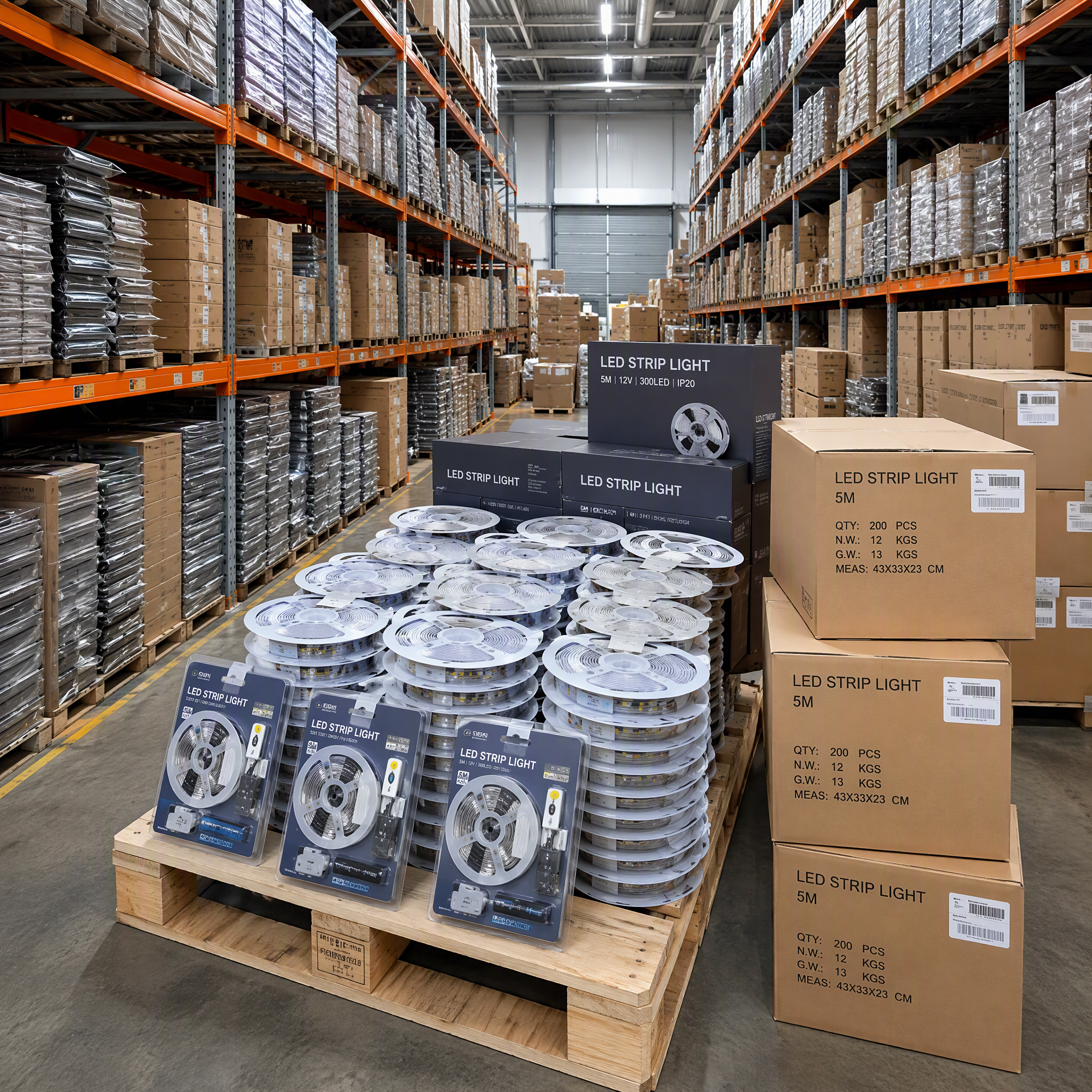
Safety should be your primary consideration when selecting and installing led light strips for any residential or commercial application. Modern lighting solutions deliver aesthetic appeal and energy efficiency, but without proper safety mechanisms, they pose fire hazards, electrical risks, and potential damage to connected systems. Understanding which safety features matter most helps you avoid costly mistakes and protect your investment.
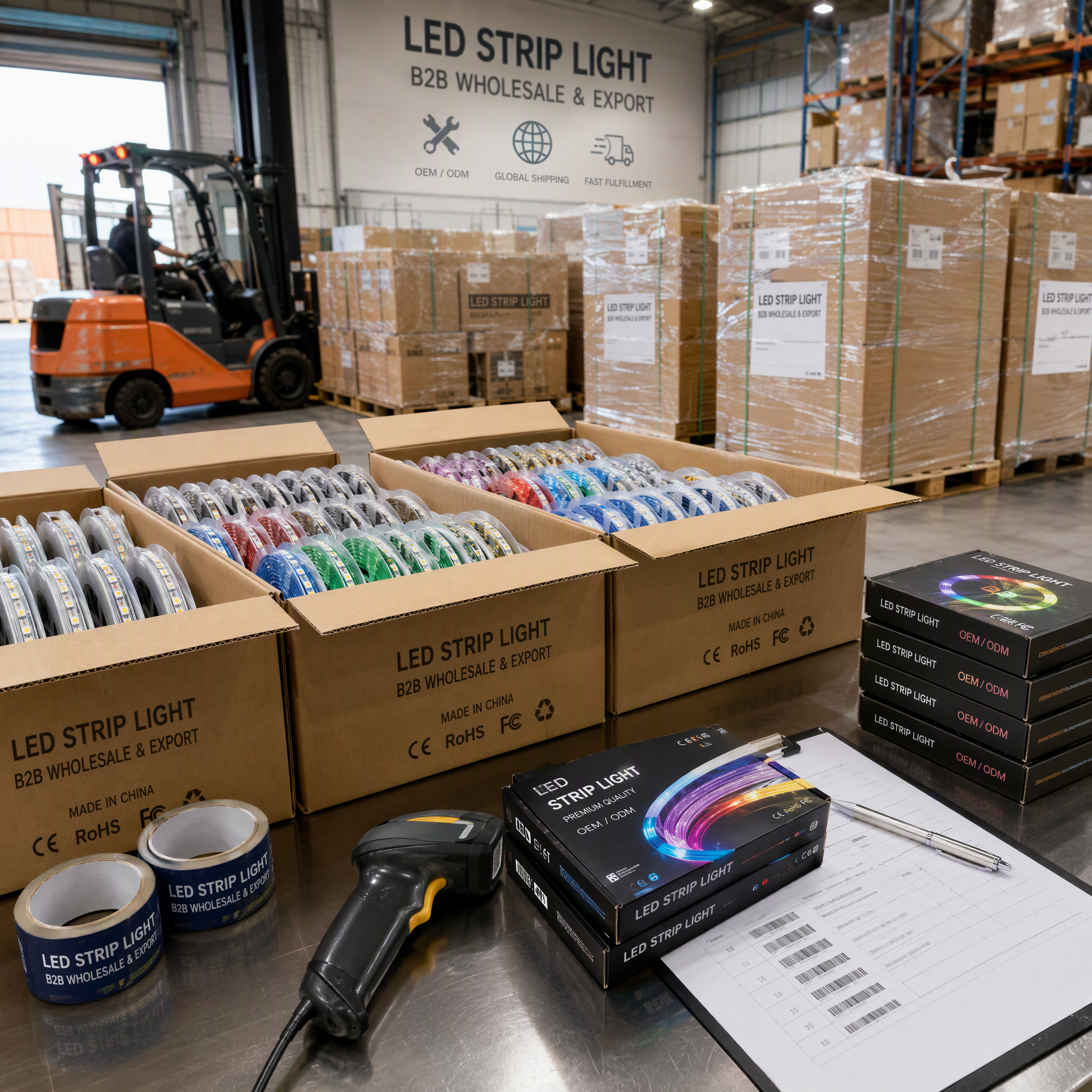
LED strip lighting systems have evolved significantly, with flexible LED tape lights and RGB light strips now dominating both residential and industrial markets. However, not all products meet the same safety standards. This guide outlines the critical safety features that protect your home, workspace, and electrical infrastructure from preventable incidents while ensuring reliable long-term performance.
Quality RGB light strips must include built-in fuses or circuit breakers that instantly disconnect power during electrical faults. When current exceeds safe levels, these protection devices prevent overheating wires and reduce fire risk. A reliable power supply for flexible LED tape lights should offer both overcurrent detection and automatic shutdown capabilities. This protection layer is non-negotiable, especially in installations where multiple strips run in parallel or series configurations.
Look for LED light strips equipped with internal or external fuse holders rated for the system's amperage. Additionally, smart strip lighting systems benefit from microprocessor-based monitoring that detects anomalies faster than traditional fuses. The power supply itself should meet UL or CE certification standards, confirming that electrical engineers have tested it under fault conditions.
Unstable electrical supply damages LED chips and degrades performance quickly. Flexible LED tape lights require voltage regulators that maintain consistent DC output, typically 12V or 24V depending on the system design. RGB light strips operating in environments prone to power surges—such as commercial buildings or areas with frequent storms—should incorporate surge suppressors that absorb transient voltage spikes.
Smart strip lighting solutions often include integrated surge protection that safeguards against lightning strikes and utility grid disturbances. A quality voltage stabilizer extends the operational lifespan of your LED light strips by preventing thermal stress on components and reducing warranty claims from electrical damage.
LED light strips generate heat during operation, and inadequate cooling increases fire risk in enclosed spaces. Modern RGB light strips include thermal sensors that trigger automatic dimming or shutdown when temperatures exceed safe thresholds. This feature prevents the power supply and flexible LED tape lights from reaching dangerous heat levels, particularly in installations behind wall cavities or inside enclosed fixtures.
Look for LED strip lighting systems with thermal management ratings clearly stated in technical specifications. A quality product will specify the maximum ambient operating temperature and include thermostat-controlled shutdown. This becomes critical for smart strip lighting used in commercial environments where continuous operation runs for extended periods without interruption.
Flexible LED tape lights mounted on aluminum channels dissipate heat far more effectively than bare strip installations. The aluminum acts as a passive heat sink, reducing localized hot spots that degrade LED lifespan and increase fire hazard. When evaluating RGB light strips, verify whether the product includes recommended mounting surfaces or pre-attached aluminum backing. This design choice significantly impacts safety and longevity in continuous-duty applications.
Professional-grade smart strip lighting often comes pre-assembled with aluminum extrusions designed for optimal heat transfer. Installations using standard drywall or flammable surfaces should always include thermal barriers and ensure adequate ventilation around the mounting area. Poor thermal management is a leading cause of LED light strip failures and safety incidents in residential and commercial settings.
Water ingress causes corrosion, short circuits, and electrical shock hazards in LED light strips used near bathrooms, kitchens, or outdoor environments. A minimum IP65 rating ensures that flexible LED tape lights resist water jets and moisture exposure. RGB light strips intended for wet locations should meet IP67 or IP68 standards, which guarantee submersion resistance and comprehensive dust protection. Always verify the IP rating before purchasing for moisture-prone applications.
Smart strip lighting for commercial installations often requires IP68 certification, especially in food processing, automotive, or agricultural settings. Silicone-based waterproof coatings protect the circuit board and solder joints more effectively than standard epoxy. When inspecting LED light strips, confirm that connectors and end caps are sealed and rated for your intended environment.
Double insulation on both the power supply and flexible LED tape lights prevents accidental contact with live conductors during installation or maintenance. This safety feature is required by electrical codes in most jurisdictions and significantly reduces electrocution risk. RGB light strips with Class II rating offer inherent protection without relying solely on grounding, making them safer for temporary or portable installations.
Examine the cable gauge and insulation material carefully when selecting smart strip lighting. High-quality LED light strips use heavy-gauge copper wire with flame-retardant insulation that meets or exceeds building codes. Poor insulation compounds becomes brittle over time, increasing shock and fire hazards, particularly in installations exposed to UV light or mechanical stress.
LED light strips should comply with UL, CE, FCC, or RoHS certifications depending on your region and application. UL certification confirms that electrical safety has been tested by a recognized laboratory, while CE marking indicates compliance with European safety directives. For commercial and industrial use, verification of third-party certification is essential before purchase. Ask manufacturers for certification documentation before committing to large installations.
Yes, but only flexible LED tape lights with IP67 or IP68 ratings and proper power supply protection. High-moisture environments require sealed connectors, silicone-based waterproof coatings, and surge-protected power supplies to prevent water damage and electrical hazards. Always maintain minimum clearance from direct water sources and ensure the power supply sits in a dry location. For wet areas, professional installation and proper grounding are strongly recommended.
Check for UL or CE certification markings on the power supply housing and verify that overcurrent protection is clearly labeled. Smart strip lighting systems should include built-in fuses, voltage regulation indicators, and thermal protection specifications. Test the power supply with a multimeter to confirm stable voltage output before full installation. If the supply runs excessively hot, produces unusual noises, or triggers circuit breakers, discontinue use immediately and replace with a certified unit.
