 EN

what-should-you-consider-when-buying-solar-powered-led, what-should-you-consider-when-buying-solar-powered-led, /technical-insights
EN
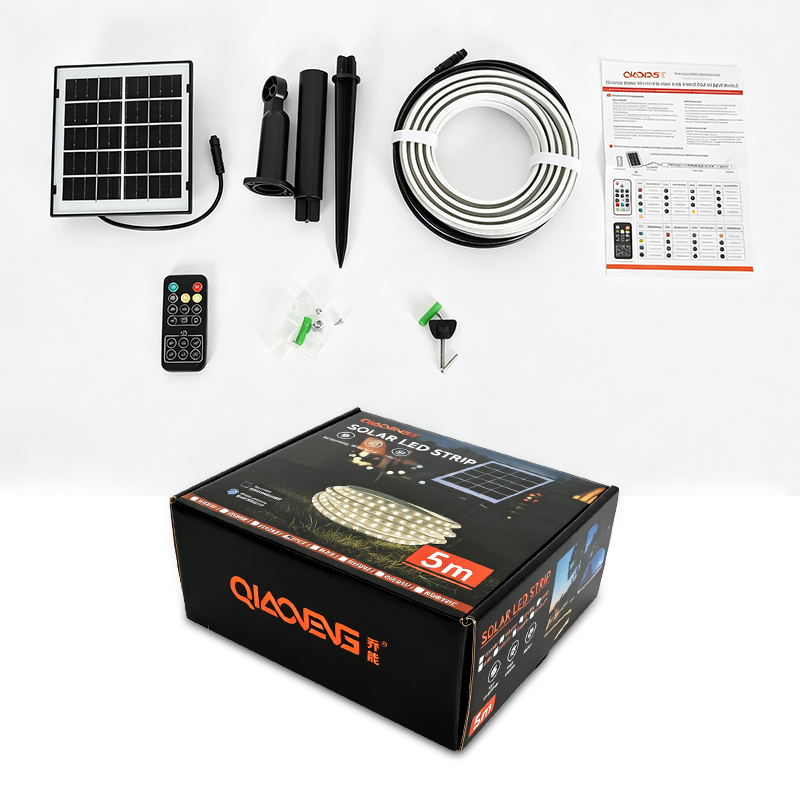
Choosing the right solar powered led system requires careful evaluation of multiple factors that directly impact performance, longevity, and return on investment. Whether you are upgrading outdoor spaces, securing dark areas, or reducing energy costs, understanding what to look for in solar LED lights ensures you make an informed decision that aligns with your specific needs and budget constraints.
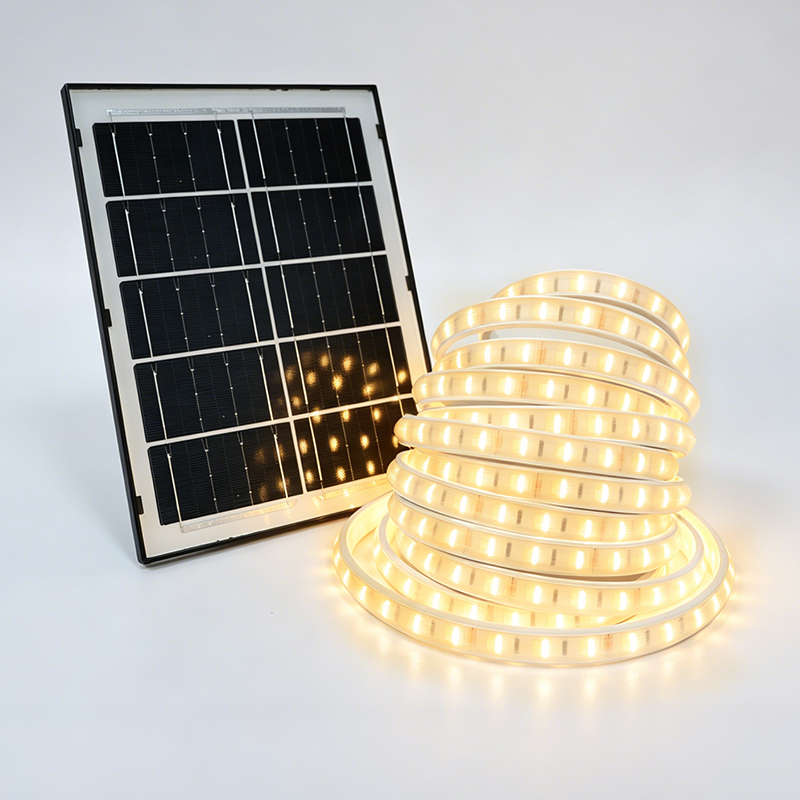
Solar LED lights have evolved significantly, offering reliable illumination without ongoing electricity expenses. However, not all solar lighting solutions perform equally in different environments. The quality of components, design efficiency, and suitability to your climate and usage patterns determine whether your outdoor solar lighting investment delivers consistent results year-round.
The battery capacity of your solar LED lights directly determines how long they illuminate after sunset. Most quality systems feature lithium or lead-acid batteries measured in milliamp-hours (mAh) or watt-hours (Wh). Higher capacity means extended runtime, which is especially critical in winter months when daylight hours are reduced. Evaluate whether the battery stores enough energy to power your outdoor solar lighting throughout your typical evening usage period, accounting for seasonal variations in sunlight availability.
Solar panel efficiency rating, typically measured in watts, indicates how effectively the panel converts sunlight into usable electricity. A higher wattage panel charges faster and compensates better for cloudy days or partial shade conditions. When selecting solar LED lights, match the panel capacity to your battery size and expected usage to ensure reliable daily charging cycles.
Measured in lumens, brightness output determines visibility and lighting coverage. Portable solar lamps range from subtle accent lighting at 50 lumens to powerful work lights exceeding 500 lumens. Consider your specific application: decorative pathways need less brightness than security or work areas. Color temperature, expressed in Kelvin (K), affects ambiance and functionality. Warm white (2700K) suits residential spaces, while cool white (5000K) provides better security lighting and visibility for work tasks.
IP (Ingress Protection) ratings measure how well solar LED lights resist water and dust intrusion. An IP65 rating means the device is dust-tight and protected against water spray from any angle, making it suitable for most outdoor environments. IP67 provides immersion protection for temporary water exposure, while IP44 offers basic splash resistance suitable for covered outdoor areas. Select outdoor solar lighting with an IP rating that matches your climate: coastal areas with salt spray require higher ratings, while sheltered garden spaces may accept lower ratings.
Material quality directly impacts lifespan and performance consistency. Aluminum and stainless steel housings resist corrosion better than plastic in harsh environments. UV-resistant polymers maintain color and structural integrity when exposed to intense sunlight. Check whether seals and gaskets are marine-grade or high-quality rubber designed for temperature cycling and moisture resistance.
Battery performance degrades significantly in extreme temperatures. Quality solar LED lights operate effectively between minus 10°C and 50°C, though performance dips at temperature extremes. Cold climates reduce battery efficiency, requiring oversized panels to compensate. Hot regions accelerate battery aging and may reduce daytime charging efficiency. Understand your location's temperature extremes and verify the manufacturer's operating specifications match your environment. Portable solar lamps designed for tropical use differ from those engineered for alpine conditions.
Before purchasing outdoor solar lighting, assess your installation site for sun exposure. Most solar LED lights require at least 4-6 hours of direct sunlight daily to maintain full charge cycles. Shade from trees, buildings, or geographic location limits effectiveness. Determine whether you need fixed mounting hardware, adjustable stands, or portable options. Some portable solar lamps offer flexibility for seasonal adjustment or temporary deployment, while integrated garden fixtures require permanent installation and careful site selection.
Surface preparation and mounting stability affect both safety and performance. On soft ground, stake-style fixtures may not hold securely after ground frost or heavy rain. Wall-mounted solar LED lights require secure fastening and south-facing exposure in Northern Hemisphere locations. Assess whether your site accommodates the mounting system included or available as options.
Solar LED lights require minimal active maintenance compared to traditional outdoor lighting, but regular cleaning maximizes efficiency. Dust and debris accumulation on solar panels reduces charging capacity by up to 30 percent over time. Establish a maintenance routine of quarterly panel cleaning, battery inspection, and switch testing. Quality systems remain functional for 5-10 years, while poorly made portable solar lamps may fail within 2-3 years.
Calculate total cost of ownership by comparing purchase price, expected lifespan, and energy savings. A higher-quality system with a 10-year lifespan provides better value than an inexpensive portable lamp lasting only three years, even if initial cost appears lower. Factor in replacement battery costs, which typically exceed replacement expense for lower-tier systems.
Assess your site for at least 4-6 hours of direct daily sunlight and verify the product's operating temperature range matches your climate. Locations south-facing and unobstructed by shade are ideal. If your area experiences extended cloudy periods or harsh winters, select solar powered led systems with larger battery capacity and higher wattage panels to maintain performance.
High-quality solar LED lights typically last 8-10 years, while budget portable solar lamps may function for 2-4 years. Lifespan depends on component quality, battery chemistry, and maintenance. Premium systems use better-grade batteries and seals that resist weathering. Battery replacement often costs 30-50 percent of original purchase price, so investing in proven brands provides better long-term value.
Yes, but performance decreases in reduced sunlight. Winter operation requires oversized solar panels and larger battery capacity to compensate for shorter daylight hours and lower solar intensity. Cloudy regions benefit from high-efficiency portable solar lamps with maximum panel area and dark-charging technology. In extreme climates, supplementing with mains-powered backup ensures consistent illumination during extended overcast periods.
