 EN

what-should-you-know-about-solar-powered-led, what-should-you-know-about-solar-powered-led, /technical-insights
EN

Understanding solar powered led technology is essential for anyone considering sustainable outdoor lighting solutions. Solar powered led systems combine photovoltaic energy harvesting with efficient light-emitting diodes to create autonomous lighting that operates without grid connection. These systems have revolutionized how both residential and commercial properties approach outdoor illumination, offering significant energy savings and environmental benefits.
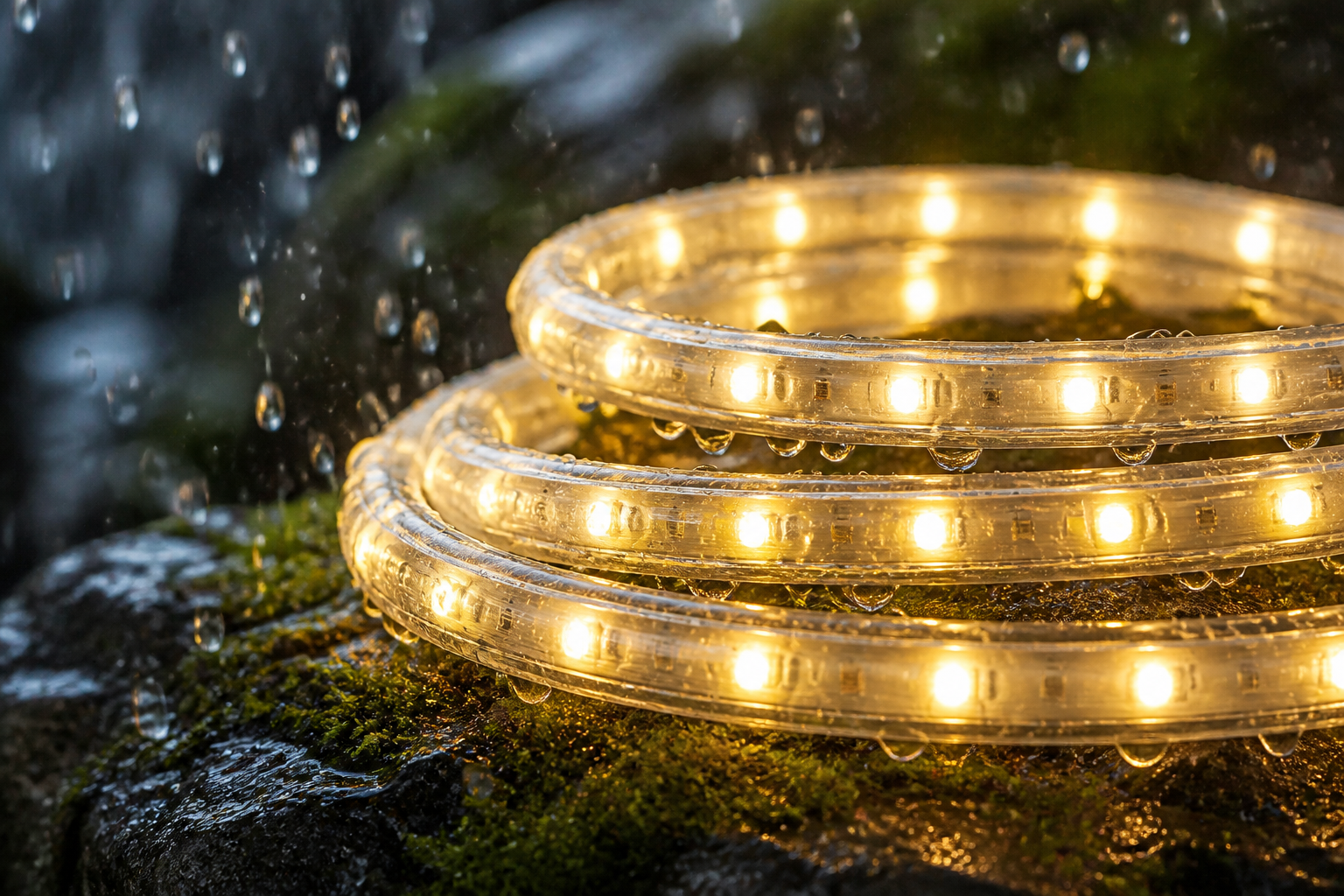
The fundamental appeal of solar powered led systems lies in their independence from electrical infrastructure and their minimal operational costs. By integrating solar panels, rechargeable batteries, and LED light sources into a single unit, these systems eliminate installation complexity and reduce long-term energy expenses. Whether for garden pathways, accent lighting, or security applications, solar LED lights provide reliable performance across diverse outdoor environments and climate conditions.
Solar LED lights function through a straightforward but sophisticated energy conversion process. During daylight hours, integrated photovoltaic cells capture solar radiation and convert it into electrical energy, which charges internal lithium or lead-acid batteries. When darkness falls, a light-sensitive sensor automatically activates the LED component, drawing power from the stored battery charge to produce illumination. This autonomous cycle requires no manual intervention and continues indefinitely as long as the solar panel receives adequate sunlight exposure.
The efficiency of this system depends on multiple factors including solar panel quality, battery capacity, LED wattage, and seasonal light availability. High-quality outdoor solar lighting uses monocrystalline or polycrystalline panels that maintain performance across varying weather conditions. The LED component, typically rated between 0.5 and 10 watts depending on the application, provides superior light output compared to traditional incandescent alternatives while consuming a fraction of the energy.
Battery performance represents one of the most critical aspects of portable solar lamps and fixed installations. Modern systems employ lithium-ion batteries that offer longer lifespan, faster charging cycles, and better temperature tolerance than older nickel-cadmium alternatives. The battery capacity, measured in milliamp-hours or watt-hours, determines how long the LED can operate after sunset. A well-designed outdoor solar lighting system typically provides 8 to 12 hours of illumination per night, depending on battery size and LED brightness settings.
Battery management systems monitor charge levels and prevent overcharging or deep discharge, extending overall lifespan significantly. Quality solar LED lights include weatherproof battery compartments and charging circuits designed to handle temperature fluctuations and moisture exposure. This robust design ensures that portable solar lamps and permanent installations maintain consistent performance throughout their intended service life, often spanning 5 to 10 years or longer.
Solar LED lights come in various configurations affecting their light output and suitability for specific applications. Brightness is typically measured in lumens, with residential outdoor solar lighting ranging from 50 lumens for subtle pathway markers to 1000 lumens or more for security and task illumination. Color temperature ranges from warm white (2700K) for ambient garden settings to cool white (5000K) for security applications, allowing users to select the appropriate spectrum for their needs.
The practical performance of solar LED lights depends heavily on installation location and seasonal variation. Surfaces facing south receive maximum solar exposure in the Northern Hemisphere, while installations in heavily shaded areas or regions with limited winter daylight may experience reduced battery charge. Understanding these geographical and seasonal factors helps ensure that chosen systems meet expectations throughout the year and across different weather patterns.
Quality outdoor solar lighting incorporates robust construction materials and comprehensive weatherproofing to withstand harsh environmental conditions. Polymer or aluminum housings provide corrosion resistance, while high-quality gaskets and sealed compartments prevent moisture ingress that could damage electrical components. Most modern systems carry IP65 or higher ratings, indicating complete dust protection and resistance to water jets from any direction, making them suitable for heavy rain and coastal environments.
Maintenance requirements for solar LED lights remain minimal compared to traditional outdoor lighting solutions. Periodic cleaning of solar panels removes dust and debris that accumulate over time, restoring charging efficiency. Battery replacement may become necessary after several years depending on local climate and usage patterns, but component modularity in well-designed systems allows straightforward replacement without requiring complete unit disposal. This low-maintenance profile makes solar LED lights particularly attractive for remote installations or large-scale deployments across extensive properties.
Solar LED lights serve diverse applications across residential, commercial, and industrial environments. Garden pathways and decorative landscape lighting represent the most common residential applications, providing aesthetic enhancement while improving safety and security. Portable solar lamps offer flexible solutions for decks, patios, and outdoor entertainment areas, allowing repositioning as landscaping or activities change. Residential users appreciate the elimination of trenching for electrical connections and the independence from grid power during outages.
Commercial properties increasingly deploy solar LED lights for parking lot illumination, building perimeter security, and architectural accent lighting. Large-scale outdoor solar lighting installations reduce operational electricity costs significantly, particularly in applications requiring 24/7 operation or extended daily illumination. Property managers appreciate the reduced infrastructure requirements and minimal ongoing maintenance, making these systems economically attractive for long-term installations.
Specialized applications for solar LED lights include emergency lighting systems, navigational markers, and remote location illumination where grid connection proves impractical or prohibitively expensive. Wildlife monitoring stations, rural agricultural facilities, and temporary construction sites benefit substantially from portable solar lamps that require no electrical infrastructure. These applications demonstrate the technology's versatility beyond conventional outdoor solar lighting scenarios.
The environmental advantages of solar powered led systems extend beyond operational energy savings. By eliminating grid electricity consumption, these systems reduce carbon emissions associated with power generation and transmission. The solid-state nature of LED technology prevents mercury contamination issues associated with traditional discharge lamps, while the renewable energy source ensures that installations contribute positively to long-term sustainability objectives. This alignment with environmental responsibility increasingly influences purchasing decisions among both residential and commercial property owners seeking to reduce their ecological footprint.
Most quality solar LED lights provide 8 to 12 hours of continuous operation after a full day of charging under adequate sunlight. Duration varies based on battery capacity, LED brightness setting, and seasonal daylight availability. Systems installed in regions with limited winter sunlight may experience reduced runtime during darker months, while consistent full-day charging in sunny climates typically ensures all-night operation year-round.
Several factors influence charging performance, including panel orientation, seasonal sun angle, cloud cover, dust accumulation, and surrounding shade from trees or structures. Geographic latitude significantly impacts available daylight hours and solar intensity throughout the year. Maintaining clean panels and positioning them toward the sun maximizes charging efficiency. High-quality solar panel materials and protective coatings also enhance performance across varying weather conditions and temperature ranges.
Yes, many portable solar lamps offer sufficient durability for permanent outdoor installations when properly positioned and maintained. Models with IP65 or higher weatherproofing ratings withstand rain, snow, and wind exposure effectively. However, purpose-designed permanent fixtures often provide superior durability and performance. Evaluating specific product ratings, expected climate conditions, and maintenance capabilities helps determine whether portable solar lamps suit long-term installations or whether dedicated outdoor solar lighting systems better match requirements.
