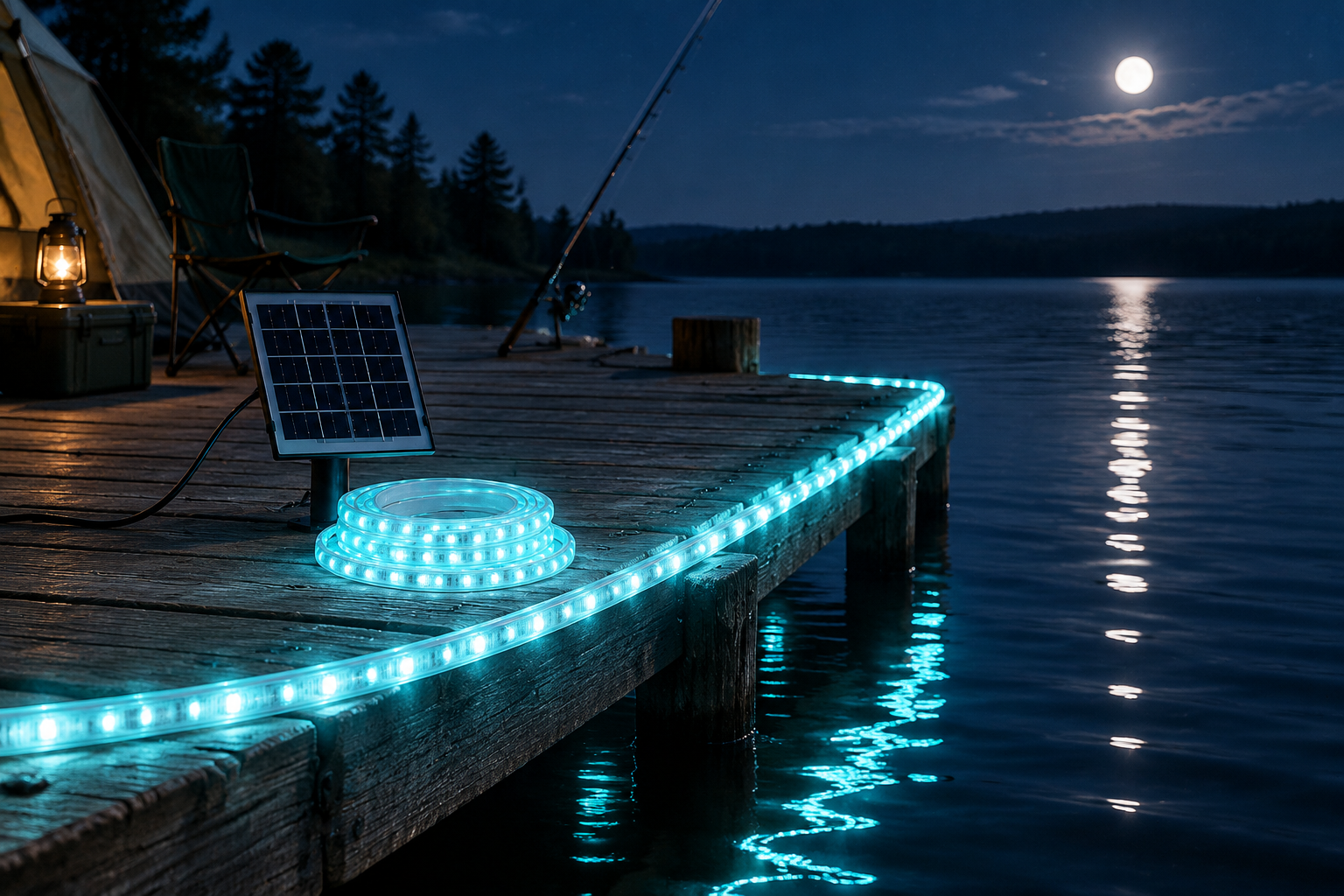
Installing solar powered LED systems offers an energy-efficient solution for residential and commercial outdoor spaces. Understanding where to place solar powered LED fixtures is essential for maximizing performance, ensuring reliable operation, and achieving consistent illumination across your property. The right installation locations depend on sun exposure, intended use, aesthetic goals, and structural considerations that directly influence the effectiveness of your solar lighting system.
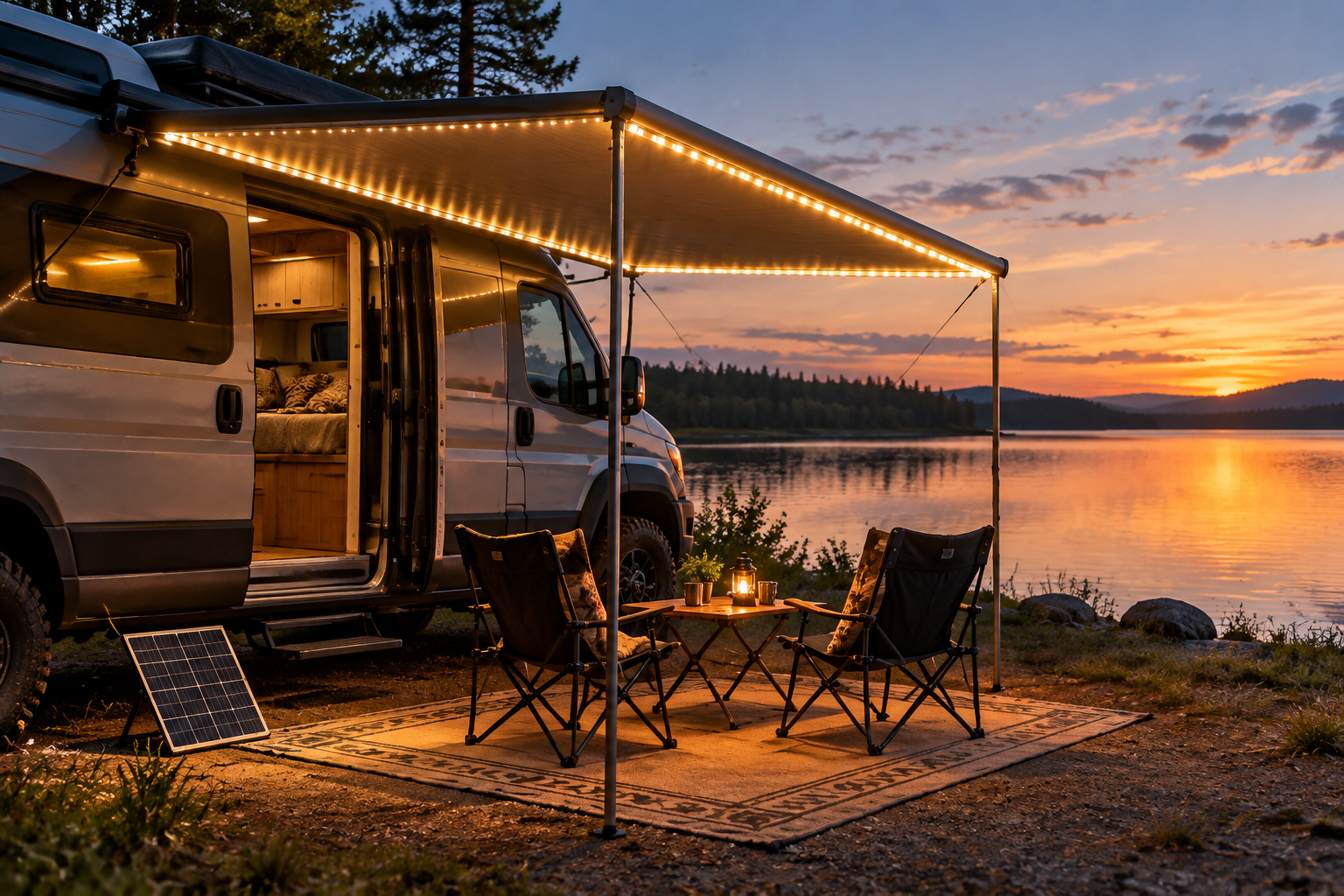
Solar LED lights have become increasingly popular for landscape enhancement and security purposes. When selecting installation sites, property owners must consider daylight availability, shadow patterns, and environmental factors that affect battery charging cycles. This guide explores the most effective locations for deploying solar powered LED installations, helping you create well-lit, visually appealing outdoor environments while minimizing energy costs and maintenance requirements.
Optimal Outdoor Solar Lighting Locations
Garden Beds and Landscape Areas
Garden installations represent one of the most popular applications for outdoor solar lighting. Solar LED lights placed among flower beds, shrubs, and decorative plants create ambient illumination while highlighting landscape features. Position solar powered LED fixtures at ground level or on stakes to direct light upward, creating dramatic shadow effects and depth perception. Choose garden areas receiving six to eight hours of direct sunlight daily to ensure batteries charge fully during daylight hours, allowing consistent operation throughout the night.
Spacing solar LED lights approximately three to five feet apart creates even coverage without overwhelming brightness in concentrated zones. Avoid placing portable solar lamps directly beneath dense tree canopies where shade prevents optimal charging. Open garden beds, borders, and accent areas near seating zones benefit most from strategic outdoor solar lighting placement, transforming ordinary landscapes into inviting nighttime retreats.
Pathways and Walkways
Pathway installation is critical for safety and navigation in residential and commercial properties. Solar powered LED fixtures installed along walkways, driveways, and garden paths guide foot traffic while creating visual interest. Line pathways with solar LED lights spaced two to four feet apart, ensuring adequate spacing for consistent illumination and safe passage. Stake-style portable solar lamps work exceptionally well for this application, providing directional light that illuminates the ground surface.
Position outdoor solar lighting units on both sides of pathways or stagger installations for optimized coverage. Ensure each solar powered LED unit receives morning sunlight for several hours to achieve full battery capacity. Avoid pathway areas shaded by buildings or tall vegetation, as reduced sun exposure compromises charging efficiency and nighttime performance.
Specialized Installation Areas for Solar Powered LED
Patio and Deck Installations
Patios and decks represent prime locations for solar LED lights that enhance outdoor entertaining spaces. Install solar powered LED fixtures around patio perimeters, along railings, or mounted on posts to create welcoming ambiance. Post-mounted or rail-clip solar LED lights work effectively for deck applications, offering flexibility in positioning and angle adjustment. Ensure deck installations receive unobstructed sunlight from morning through early afternoon to maximize battery charging capacity.
Portable solar lamps placed on tables or shelving near seating areas provide adjustable illumination for outdoor gatherings. Consider solar powered LED systems that offer brightness adjustment features, allowing you to customize lighting intensity based on activity type and atmospheric preference. Position units away from direct wind exposure to maintain stability and ensure consistent upright orientation.
Security and Entry Points
Entryways, garage exteriors, and perimeter boundaries benefit significantly from strategic outdoor solar lighting placement. Install solar powered LED fixtures near gates, front doors, and side entrances to improve visibility and enhance property security. Wall-mounted or surface-installed solar LED lights provide clear illumination of entry zones, deterring unauthorized access while improving nighttime safety. Position fixtures to illuminate faces and license plates at entry points, maximizing security effectiveness.
Ensure that security-focused solar powered LED installations receive consistent direct sunlight throughout the day. Avoid mounting positions behind or beneath overhanging structures that create afternoon shadows. High-performance solar LED lights designed for security applications often feature motion sensors or increased brightness settings, making precise sun exposure positioning even more critical for reliable operation.
Environmental and Maintenance Considerations
Sun Exposure Assessment
Successful solar powered LED installation requires thorough sun exposure analysis before selecting final positions. Observe potential installation areas throughout the day, noting when shadows appear and disappear. Solar LED lights require minimum five to six hours of direct, unobstructed sunlight daily for optimal battery charging. Areas receiving eight or more hours of direct sun provide exceptional charging conditions, extending nighttime operation duration.
Use mobile apps or sun path calculators to determine seasonal sunlight patterns at your property. Winter shadows differ significantly from summer positions, potentially affecting outdoor solar lighting performance during darker months. In regions with limited winter daylight, position solar powered LED fixtures to capture maximum available sun during shorter daylight periods, compensating for reduced charging windows.
Weather Protection and Accessibility
Install solar LED lights in locations offering balanced weather exposure without excessive environmental stress. Avoid extremely windy areas where portable solar lamps may topple or sustain damage. Choose positions with adequate air circulation for cooling solar panels, improving long-term efficiency and component lifespan. Ensure installation areas allow access for periodic maintenance, battery replacement, and seasonal adjustments.
Coastal properties and regions with harsh weather require careful solar powered LED placement away from direct salt spray or extreme moisture conditions. Position outdoor solar lighting on elevated surfaces that allow water drainage, preventing moisture accumulation beneath panels. Regular cleaning of solar panels maintains peak charging efficiency, requiring accessible installation locations that allow safe panel maintenance without excessive climbing or equipment needs.
FAQ
Can solar LED lights be installed in shaded areas?
Portable solar lamps technically function in partially shaded locations, but performance degrades significantly without adequate direct sunlight. Shaded installations result in slower battery charging, reduced nighttime operating duration, and inconsistent brightness levels. For optimal results, position solar powered LED fixtures in locations receiving minimum five to six hours of direct, unobstructed sunlight daily. If shade cannot be avoided, select premium solar LED lights with larger panels and higher-capacity batteries.
How should solar powered LED be positioned for maximum brightness?
Position solar powered LED fixtures with panels facing true south in northern hemisphere locations, ensuring maximum sun exposure throughout the day. Angle panels perpendicular to the sun's path when possible, optimizing light collection efficiency. Avoid installation orientations where morning or afternoon shadows consistently cover panels. Solar LED lights function best when panels remain unobstructed by vegetation, structures, or debris that accumulates over time, so choose locations requiring minimal seasonal maintenance.
Are there limitations for outdoor solar lighting installation locations?
Yes, several environmental factors limit effective solar LED light placement. Avoid densely shaded areas beneath trees, under roof overhangs, or near tall structures blocking direct sunlight. Extremely windy locations present hazards for portable solar lamps, potentially causing instability or damage. Avoid muddy, waterlogged areas prone to standing water that damages equipment despite weatherproof ratings. Choose installation locations balancing sun exposure, structural stability, and environmental protection to ensure reliable solar powered LED performance throughout seasons.
 EN