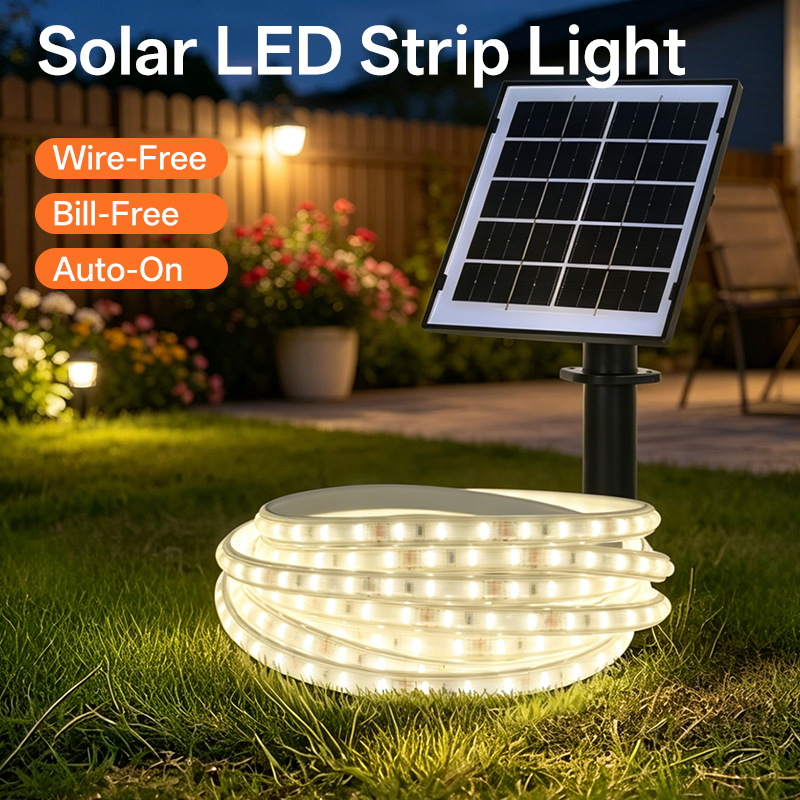
Solar powered LED technology has revolutionized outdoor and portable lighting solutions, offering sustainable illumination without reliance on traditional electrical grids. Whether you're designing a residential garden, managing a commercial property, or preparing for emergencies, solar powered LED systems provide cost-effective and environmentally responsible alternatives to conventional lighting. The versatility of these systems extends across residential, commercial, industrial, and recreational settings, making them increasingly popular for diverse applications worldwide.
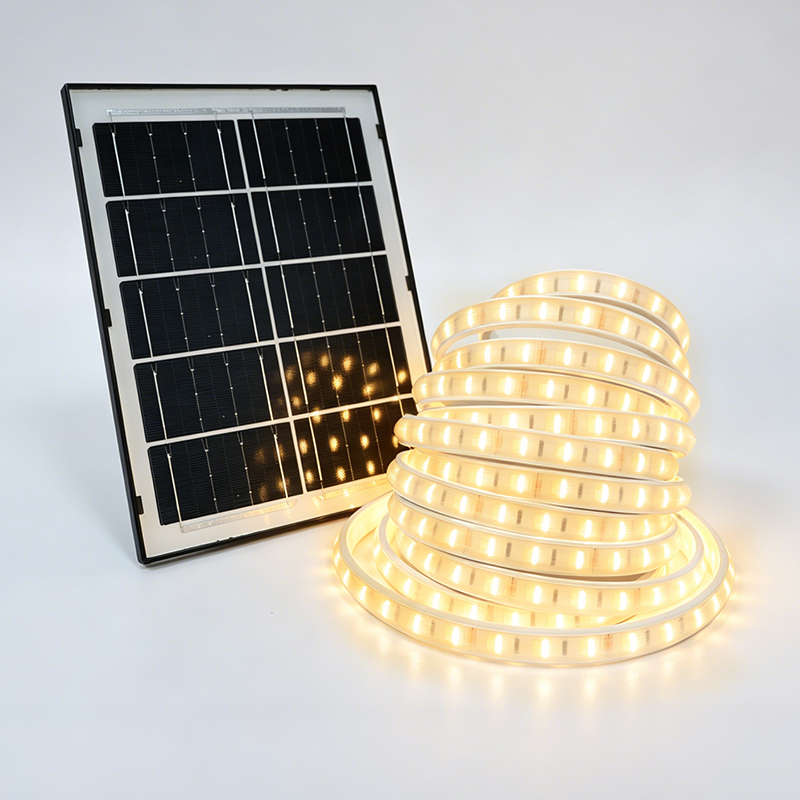
Understanding where and how to deploy solar LED lights requires knowledge of application scenarios, environmental conditions, and performance requirements. Solar powered LED technology combines photovoltaic energy collection with efficient light-emitting diode technology, creating systems that require minimal maintenance and generate zero operating costs once installed. This guide explores the primary use cases where solar LED lights deliver maximum value and performance benefits.
Residential Outdoor Applications
Garden and Landscape Lighting
Residential gardens represent one of the most popular deployment areas for solar LED lights. Homeowners use outdoor solar lighting to illuminate pathways, highlight garden features, and create ambient evening environments around patios and decks. Solar powered LED garden lights require no wiring installation, making them ideal for renters and property owners seeking temporary solutions. The aesthetic appeal combined with functional safety benefits makes solar LED lights an attractive choice for residential landscaping projects.
Pathway and Security Lighting
Driveways, walkways, and property perimeters benefit significantly from outdoor solar lighting installation. These applications enhance nighttime visibility and security while eliminating trenching and electrical work associated with traditional outdoor lighting systems. Solar powered LED pathway lights charge during daylight hours and automatically illuminate at dusk, providing consistent safety lighting throughout the evening. Property owners appreciate the autonomous operation and absence of monthly electricity charges for these security-focused installations.
Commercial and Industrial Uses
Parking Areas and Facility Lighting
Commercial properties leverage solar LED lights for parking lot illumination, warehouse exterior lighting, and facility perimeter security. These applications demand reliable, consistent performance across extended operating hours, which modern solar powered LED systems deliver through advanced battery storage technology. Industrial facilities particularly value the reduced operational expenses and simplified installation compared to grid-connected lighting infrastructure. Solar LED lights support sustainability initiatives while maintaining adequate illumination standards for employee safety and security monitoring.
Street and Public Space Illumination
Municipalities and public authorities increasingly deploy solar powered LED systems for street lighting, park illumination, and public plaza enhancement. These outdoor solar lighting installations reduce municipal electrical budgets while improving infrastructure reliability in areas where grid extension proves economically unfeasible. Solar LED lights offer municipalities rapid deployment capability without requiring extensive civil engineering work, enabling cost-effective rapid response to lighting needs in developing areas or emergency situations.
Portable and Emergency Applications
Temporary Event and Recreational Lighting
Event organizers and recreational facility managers benefit from portable solar lamps that provide flexible, independent lighting solutions without electrical cord hazards. Music festivals, outdoor weddings, camping areas, and temporary work sites all utilize portable solar lamps for ambient and task lighting. Solar powered LED technology enables rapid setup and teardown compared to traditional electrical infrastructure, reducing labor costs and environmental site impact. These portable solar lamps deliver sufficient brightness for social gatherings while maintaining safety lighting standards.
Emergency and Disaster Response
Emergency management agencies and disaster response teams deploy portable solar lamps and solar powered LED systems during power outages and natural disasters. These applications prove critical when grid infrastructure fails, providing immediate lighting for emergency operations, shelter facilities, and rescue coordination. Solar LED lights require no fuel resupply chains and operate independently of utility infrastructure restoration efforts, making them invaluable emergency response tools. The rapid deployment capability and self-sufficiency of portable solar lamps address urgent lighting needs during infrastructure emergencies.
FAQ
Can solar powered LED lights work during cloudy weather and winter months?
Yes, solar powered LED systems function during cloudy conditions and winter periods, though at reduced charging efficiency. Modern solar panels capture diffuse sunlight even on overcast days, allowing the systems to charge and operate, albeit with shortened illumination duration compared to sunny periods. Battery storage capacity and solar panel size determine performance during low-light seasons, with properly sized systems maintaining adequate functionality year-round. Installers can compensate for seasonal variation by selecting larger panels or additional battery capacity in regions with extended winter darkness.
What is the expected lifespan of solar LED lights and portable solar lamps?
Solar LED lights typically provide 5 to 10 years of reliable operation, with LED components lasting 25,000 to 50,000 hours of illumination. Battery performance generally degrades after 3 to 5 years, requiring periodic replacement to maintain full system functionality. Solar panels demonstrate excellent longevity, often maintaining 80 percent efficiency after 25 years of continuous operation. Portable solar lamps follow similar durability patterns, with quality systems offering 7 to 10 years of effective service with minimal maintenance requirements.
How do installation and maintenance requirements for solar LED lighting compare to traditional electrical systems?
Solar LED lights eliminate installation complexity associated with trenching, conduit installation, and electrical wiring required for conventional grid-connected systems. Maintenance involves occasional cleaning of solar panels to remove dust and debris, battery replacement at specified intervals, and LED fixture inspection. Traditional electrical outdoor lighting requires professional electrician installation, regular utility payments, and potential repair expenses from weather damage to buried cables. Solar powered LED systems reduce total cost of ownership through eliminated labor-intensive installation and operational electricity charges.
 EN