 EN

why-choose-led-strip-lights-over-conventional-fixtures, why-choose-led-strip-lights-over-conventional-fixtures, /technical-insights
EN
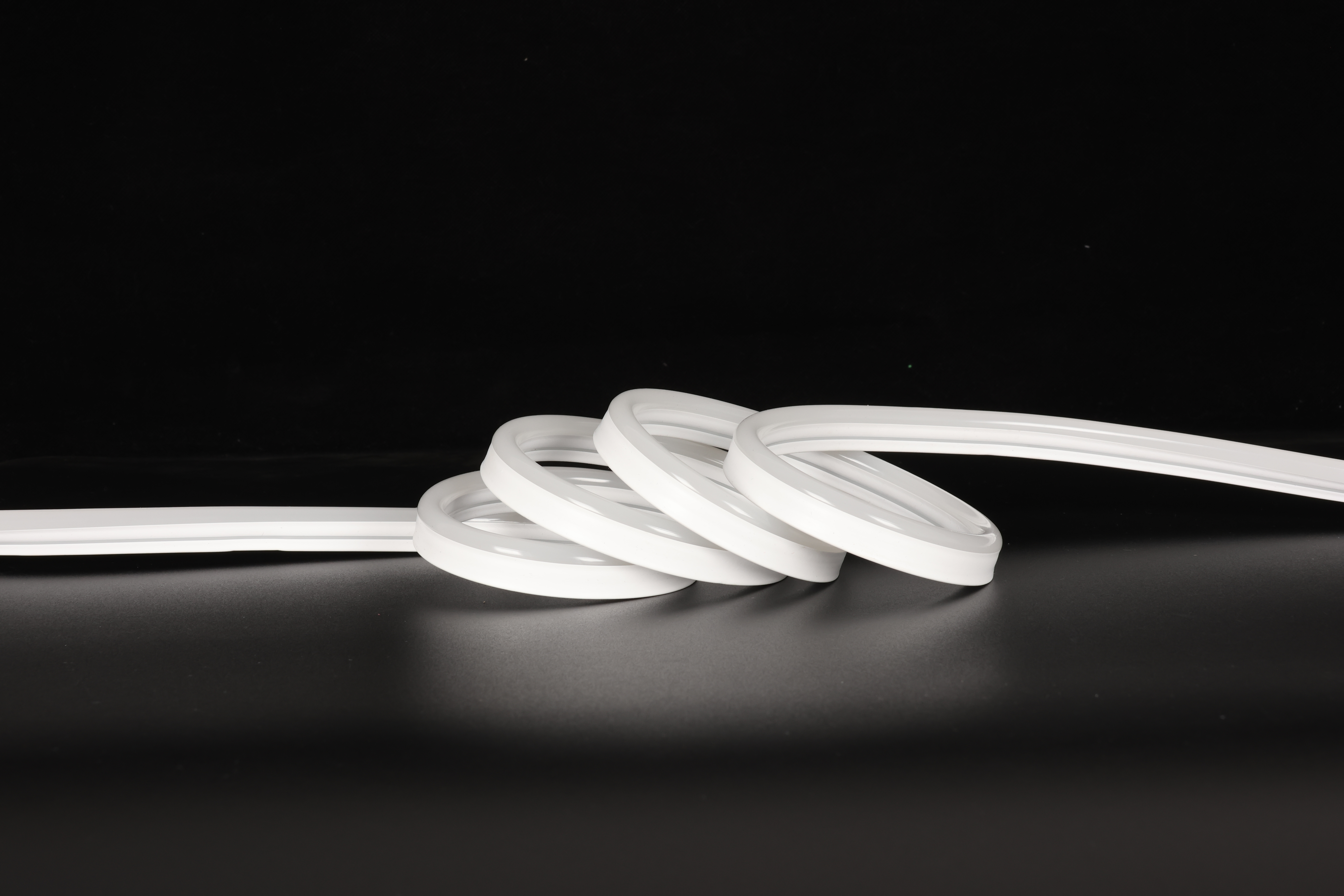
When evaluating lighting options for residential or commercial spaces, the choice between led strip lights and conventional fixtures has become increasingly important. Traditional lighting systems have dominated the market for decades, yet modern flexible lighting solutions are rapidly transforming how we illuminate our environments. The shift toward innovative lighting technology reflects changing priorities around efficiency, design flexibility, and long-term cost savings. Understanding the distinct advantages of contemporary lighting approaches helps decision-makers choose solutions that truly match their needs and budget constraints.
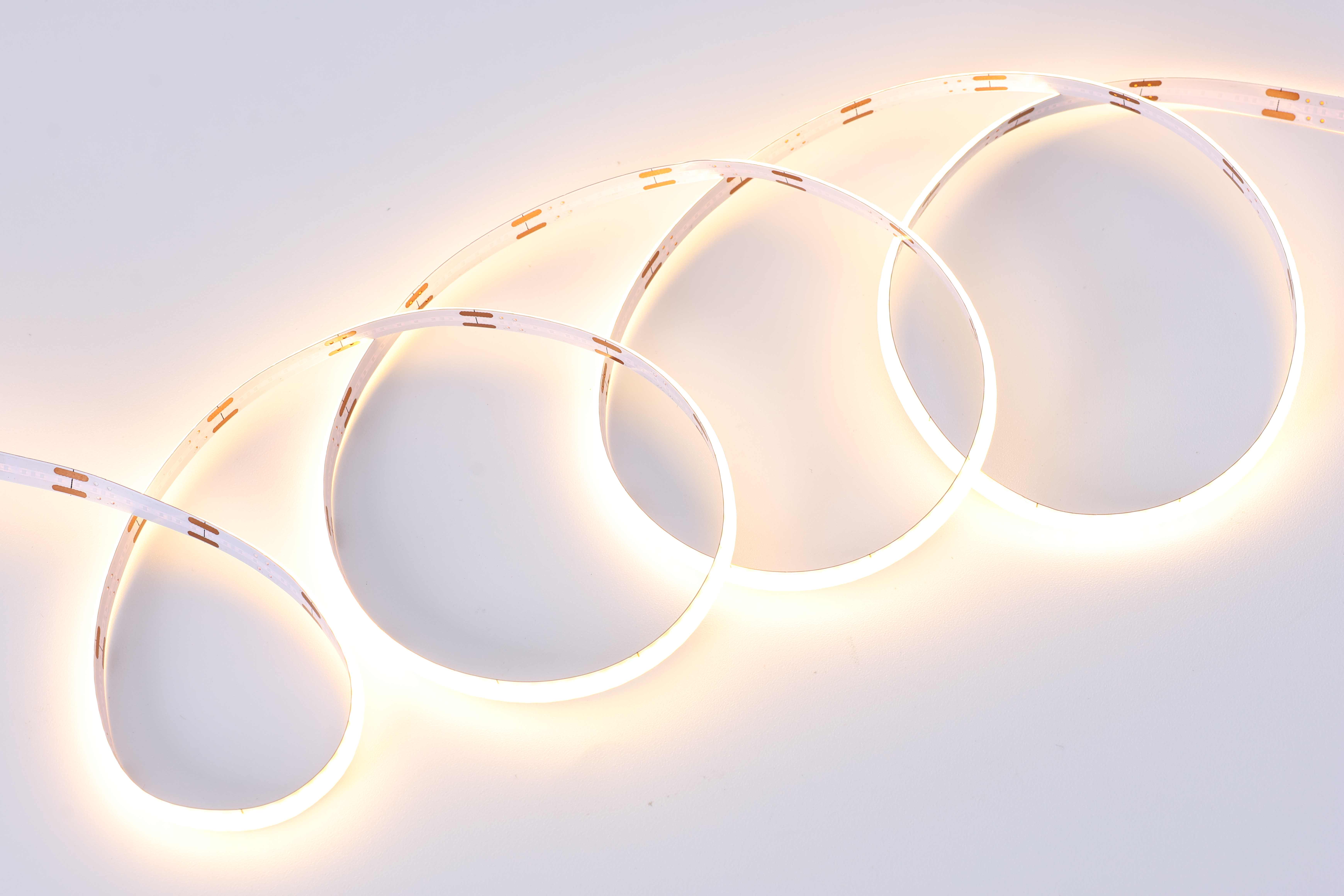
The fundamental differences between these two lighting categories extend beyond simple aesthetics. Conventional fixtures rely on bulbs mounted in fixed positions within rigid housings, whereas flexible lighting solutions offer unprecedented design adaptability. Adhesive tape lighting systems can conform to virtually any surface or architectural feature, enabling creative applications that traditional systems cannot achieve. This technological advancement has opened entirely new possibilities for under-cabinet lighting, accent illumination, and ambient design elements across residential kitchens, retail spaces, hospitality venues, and industrial facilities.
One of the most compelling reasons to consider led strip lights is their superior energy efficiency compared to conventional fixtures. Traditional incandescent and fluorescent systems consume significantly more electricity to produce equivalent light output. Color changing light strips powered by LED technology use approximately 75 percent less energy than conventional bulb-based systems operating at similar brightness levels. For commercial applications running lighting systems for extended daily hours, this efficiency difference translates directly to measurable reductions in electrical bills and operational expenses.
Conventional fixtures require regular bulb replacements, socket maintenance, and ballast servicing that accumulate labor costs over time. LED-based adhesive tape lighting solutions remain operational for 25,000 to 50,000 hours or more, dramatically extending service intervals between replacements. This longevity means fewer maintenance calls, reduced inventory management for spare parts, and decreased operational disruptions. When comparing total cost of ownership across five to ten years, flexible lighting solutions typically deliver substantially lower lifetime expenses than conventional fixture systems.
Flexible lighting solutions fundamentally change what designers and facility managers can achieve visually. Color changing light strips can be cut to precise lengths, bent around corners, and mounted on curved or irregular surfaces without structural modifications. Conventional fixtures require permanent mounting infrastructure, electrical conduit runs, and fixed positioning that limits creative options. Adhesive tape lighting enables rapid installation in days rather than weeks, avoiding costly construction delays and allowing for straightforward modifications as needs evolve. This adaptability proves especially valuable in retail environments, hospitality settings, and residential spaces where aesthetic impact directly influences customer experience and property value.
Modern led strip lights offer superior color rendering and spectrum customization compared to conventional sources. Traditional fixtures provide fixed color temperatures and limited dimming capabilities, whereas contemporary flexible lighting solutions deliver precise tuning across correlated color temperatures and full-spectrum control. This capability enables context-appropriate lighting that enhances visual appeal in showrooms, creates welcoming ambiance in dining areas, and supports circadian rhythm alignment in workplace environments. Color changing light strips can transition between warm residential tones and bright task lighting, eliminating the need for multiple fixture types or complex switching systems.
Conventional fixtures generate substantial heat during operation, requiring ventilation clearance and thermal management considerations that limit installation locations. LED-based adhesive tape lighting operates at significantly lower temperatures, enabling safe installation in confined spaces, near temperature-sensitive materials, and within enclosed cabinetry. This thermal advantage reduces fire risk, protects adjacent materials from heat damage, and allows for creative applications in spaces where conventional systems would prove problematic. The cooler operation of flexible lighting solutions also means no wasted energy dissipated as thermal output, improving overall system efficiency.
Conventional fixtures rely on fragile components vulnerable to vibration, humidity, and environmental stress. LED strip lights demonstrate superior durability across challenging industrial, commercial, and outdoor applications. Many modern adhesive tape lighting products feature moisture-resistant construction, corrosion-resistant materials, and shock-resistant electronics that outperform traditional systems in demanding conditions. This reliability advantage extends service life, reduces unexpected failures, and ensures consistent performance across temperature fluctuations and variable operating conditions that would stress conventional fixture components.
Led strip lights excel in kitchens because adhesive tape lighting can be installed under cabinets, above countertops, or within toe spaces without requiring structural modifications. Color changing light strips provide task lighting for food preparation while simultaneously creating ambient atmosphere for entertaining. Conventional fixtures demand permanent installation and offer limited design integration, whereas flexible lighting solutions adapt to existing cabinetry and evolve as kitchen layouts change.
Most quality led strip lights operate for 25,000 to 50,000 hours, translating to ten to twenty years of continuous use or significantly longer in part-time applications. Conventional incandescent bulbs typically last 1,000 hours, compact fluorescent systems provide 8,000 to 10,000 hours, and traditional fluorescent fixtures generally reach 15,000 to 20,000 hours. This lifespan advantage means fewer replacements, reduced maintenance labor, and substantially lower long-term operating costs for flexible lighting solutions.
Absolutely. Retail applications benefit tremendously from flexible lighting solutions because adhesive tape lighting can highlight product displays, create dynamic visual interest, and accentuate architectural features. Color changing light strips allow retailers to adjust ambient conditions seasonally or for special promotions without fixture modifications. The superior color rendering and spectrum control of LED technology enhance product visibility and customer experience compared to conventional fixtures, supporting retail objectives while consuming less energy.
